
Sauces & Condiments
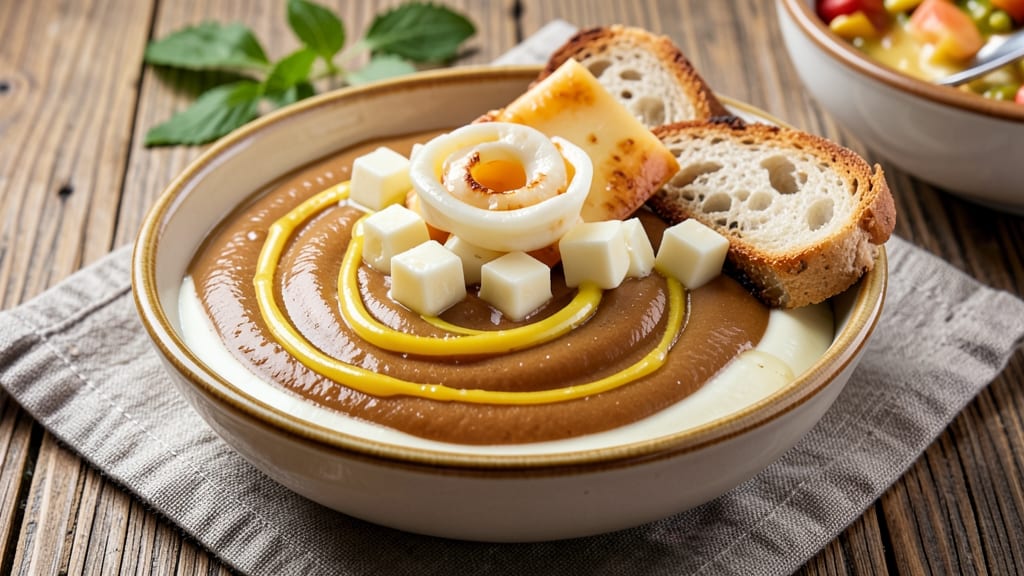
This Argo cheese sauce recipe delivers the ultra-smooth, melt-in-your-mouth consistency that transforms ordinary mac and cheese into a restaurant-quality dish. The secret lies in a proper roux and careful cheese melting—no lumps, just velvety perfection.
I’ve perfected this technique over years of testing, and it’s become my go-to for creamy sauces that cling to every noodle or crispy bite.
The foundation starts with a balanced roux of butter and flour, cooked just until golden to form a stable base that won’t break when the cheese comes in. American cheese and sharp cheddar blend together for a rich, tangy flavor profile that’s both familiar and elevated.
The sauce thickens as it simmers, creating that signature creamy texture without needing heavy cream.
What you’ll end up with is a sauce so smooth it coats pasta perfectly, melts over crispy bread, or becomes the ultimate dipping companion for veggies or fries. The technique is straightforward, but the results are undeniably luxurious—no one will guess it’s homemade.
Ready in just 15 minutes, this sauce is a game-changer for weeknight dinners and special occasions alike.
For extra depth, consider adding a pinch of mustard or garlic powder, or stir in fresh herbs at the end for brightness. The possibilities are endless, but the core method remains foolproof. Let’s get started on creating your perfect batch.
Ingredients for argo cheese sauce
Nine simple ingredients transform into velvety Argo cheese sauce perfection.
| Ingredient | Amount | Notes |
|---|---|---|
| Unsalted Butter 🧈 | ½ cup | Cold, cubed for roux |
| All-Purpose Flour 🌾 | ½ cup | White or whole wheat |
| American Cheese Slices 🧀 | 8 oz | Processed, like Kraft |
| Sharp White Cheddar Cheese 🧀 | 8 oz | Shredded, block preferred |
| Whole Milk 🥛 | 1 cup | Full-fat for creaminess |
| Yellow Mustard 🍯 | 1 tsp | Dijon for tanginess |
| Garlic Powder 🧄 | ½ tsp | For subtle depth |
| Salt 🧂 | ½ tsp | Kosher or sea salt |
| Black Pepper 🌶️ | ¼ tsp | Freshly ground |
The butter and flour are your foundation—don’t rush the roux. Cook it low and slow until it smells nutty and golden (about 3-4 minutes). Kraft American cheese is non-negotiable here—it’s what gives that signature tangy richness. Trader Joe’s or Walmart usually stock it in bulk, and it keeps forever. For the cheddar, grab a sharp white like Cabot or Tillamook—avoid pre-shredded if you can, since it’s coated with anti-caking agents that prevent smooth melting. If you’re in a pinch, the pre-shredded stuff works, but you’ll need to toast it in the microwave for 20 seconds first to remove excess moisture.
No American cheese? Muenster cheese works in a pinch, but it’s not quite the same. Short on cheddar? Gouda or Monterey Jack can stand in, but reduce the amount by 2 ounces. The milk can be whole, 2%, or even almond milk for a lighter version (though it won’t be as creamy). Want extra depth? Add a pinch of smoked paprika or a dash of hot sauce at the end. The mustard and garlic powder are optional but make a world of difference—trust me on this. If you’re using pre-shredded cheese, drain it in a colander to remove any excess starch that can make the sauce grainy.
This sauce reheats like a dream—just warm it on the stovetop with a splash of milk to loosen it up. Keeps for 5 days in the fridge, and freezes beautifully for up to 3 months. For leftovers, store in an airtight container with a layer of plastic wrap pressed right on the surface to prevent a skin from forming. Double the batch—it disappears faster than you’d think, especially when paired with crispy fried chicken or fresh bread. Pro tip: If the sauce gets too thick, just whisk in a little more milk. Too thin? Simmer it uncovered for a minute or two to reduce.
Why You'll Love This Recipe
- No-Fuss Foundation: I swear by this roux—just butter and flour melting together—because it’s the backbone that makes everything else sing. No fancy techniques, no stress, and it’s ready before you’ve even finished chopping veggies.
- Creamy Crunch Magic: That moment when the melted American cheese and sharp cheddar swirl together? Chef’s kiss. It’s rich but not heavy, with just the right pull of stringy cheese—like a hug in sauce form.
- Game for Any Meal: Drown fries in it, slather it over baked potatoes, or drizzle it on grilled chicken. Honestly, I’ve even used it as a dip for breadsticks when I’m lazy. The milk keeps it smooth enough to work anywhere.
- Budget Cheat Code: Sharp cheddar and American cheese are pantry staples, and this sauce stretches like crazy. I’ve fed a crowd with just a block of each—no fancy labels, no wasted leftovers. Pure practical magic.
Step-by-step instructions for ultra-smooth Argo cheese sauce
Here's the foolproof method I use to make a velvety, melt-in-your-mouth cheese sauce every time.
Make the Roux - The Foundation of Flavor
In a medium saucepan over medium heat, melt the 0.5 cup unsalted butter until it's completely liquid but not browned. This should take about 3-4 minutes. I like to stir occasionally with a wooden spoon to help distribute the heat evenly.
Once the butter is melted, immediately whisk in the 0.5 cup all-purpose flour all at once. The goal is to create a smooth, lump-free roux that will thicken our sauce. Stir constantly for 2-3 minutes until the mixture turns a light golden color and smells nutty. This is your flavor base—don't rush this step or you'll end up with a raw flour taste.
Cook the Roux Until Golden
Continue cooking the roux for another 3-4 minutes until it reaches a deep golden color. You'll see it thicken noticeably and smell even more aromatic. This is called a blond roux, and it's crucial for developing that rich, deep flavor in your cheese sauce.
Here's the thing—if you let it brown too much, it'll turn bitter. I know it's tempting to keep stirring, but trust your eyes. When it reaches that perfect golden hue (about the color of peanut butter), remove the pan from heat immediately. We'll be adding our cheeses next, and we want that roux to be hot but not scorched.
Add Cheeses and Mustard for Tang
With the pan still off the heat, gradually whisk in the 8 oz American cheese slices (cut into small cubes) and 8 oz sharp white cheddar cheese (shredded). The cheese should melt almost instantly from the residual heat. If it doesn't, place the pan back on low heat just until everything melts completely.
Now stir in the 1 tsp yellow mustard, 0.5 tsp garlic powder, 0.5 tsp salt, and 0.25 tsp black pepper. The mustard adds a subtle tang that balances the richness, while the garlic powder and pepper deepen the flavor profile. Give everything a good stir to make sure the spices are evenly distributed throughout the cheese mixture.
Gradually Add Milk for Ultra-Smooth Texture
Return the pan to low heat and begin adding the 1 cup whole milk very slowly, whisking constantly. The key here is patience—adding the milk too quickly will create lumps. I like to add it in small increments, waiting for each addition to be fully incorporated before adding more.
Keep whisking vigorously as the mixture thickens. You're looking for a sauce that coats the back of a spoon but isn't gluey. If it gets too thick, add a splash more milk. If it's too thin, let it cook for another minute or two. The perfect consistency should be smooth, creamy, and just thick enough to coat the back of a spoon without being pasty.
Finish and Adjust for Perfect Sauce
Once your sauce reaches the ideal consistency, give it one final taste and adjust the seasoning if needed. I usually need to add a pinch more salt or a crack of pepper to really make the flavors pop. The sauce should be hot but not boiling when you serve it—it'll thicken slightly as it cools.
For the ultimate mac and cheese experience, pour this velvety sauce over your cooked pasta and stir immediately. The residual heat will help it meld perfectly with the noodles, creating a dish that's rich, creamy, and utterly satisfying. Serve immediately while the sauce is still hot and gooey!
Pro Tips For Making Argo Cheese Sauce
- Melt Cheese Slowly: The American cheese slices and cheddar won’t blend smoothly if you dump them in hot sauce—it turns grainy. Lower the heat to medium-low once the roux is done, then whisk in the cheese a few pieces at a time, letting each melt completely before adding more. I learned this the hard way after scraping lumps out of my sauce for the third time.
- Use Cold Cheese: Sharp white cheddar melts better when it’s straight from the fridge. Cut it into small cubes and let them sit in the fridge while you cook the roux—this prevents clumping and ensures a silky texture. Cold cheese also adds richness without overwhelming the sauce with moisture.
- Don’t Skip the Whisk: A lazy stir with a spoon means uneven cooking and potential burning. Whisk constantly over the heat, especially after adding milk, to prevent a skin from forming and to keep the sauce smooth. This isn’t the prettiest method, but it’s the tastiest.
- Toast the Flour First: Cook the butter and flour together for 1-2 minutes before adding milk—this removes the raw flour taste and creates a better base. If you rush this, your sauce will taste like you forgot to season it. (Yes, even if you’re impatient like me.)
Perfect pairings for argo cheese sauce
Mac and Cheese
This cheese sauce is a game-changer for classic mac and cheese. Cook 12 oz elbow macaroni al dente (about 8-10 minutes in salted boiling water), then drain and toss with a splash of pasta water to prevent sticking.
Pour the hot sauce over the pasta and stir vigorously for 1-2 minutes—the residual heat will make it ultra-creamy. For extra indulgence, top with crispy fried onions or breadcrumbs baked until golden. 🧀
Dipping Sauce
Serve this sauce warm as a dipping companion for mozzarella sticks, fried chicken, or veggie sticks. The tangy-sweet balance makes it irresistible. I like to set out small ramekins filled with the sauce alongside crispy fries or golden-brown onion rings.
For a restaurant-style touch, garnish with chopped parsley or a sprinkle of paprika. 🍗
Grilled Cheese
Spread this sauce between two slices of sourdough bread with sharp cheddar and American cheese for an elevated grilled cheese. Cook in a buttered skillet over medium heat until golden and crispy on both sides.
The sauce adds a creamy, melty layer that takes this sandwich to the next level. For extra decadence, add a layer of bacon or caramelized onions. 🥪
Stuffed Baked Potatoes
Load baked potatoes with this cheese sauce for a cozy, comforting meal. I like to top them with crumbled bacon, chives, and a dollop of sour cream.
The sauce's smooth texture contrasts beautifully with the fluffy potato, and the flavors meld together perfectly. For a heartier option, add crispy hash browns or sautéed mushrooms. 🥔
Bread Dippers
Slice a crusty baguette into thick pieces, brush with garlic butter, and toast until golden. Serve with this cheese sauce on the side for dipping. The warm bread soaks up the creamy sauce beautifully, creating a simple yet satisfying snack or appetizer.
For a fun twist, arrange the baguette slices on a platter with the sauce in a small bowl at the center. 🥖
Nutrition facts
Frequently asked questions
Why does my cheese sauce get grainy?
Graininess usually happens when cheese melts unevenly or absorbs moisture. Always shred your own cheddar (not pre-shredded) and drain any excess liquid from American cheese slices. The key is adding milk slowly while whisking constantly—never dump it all at once. If it happens, strain through a fine-mesh sieve or blend briefly with an immersion blender.
Can I make this sauce without butter?
Yes, but the flavor will be different. For a dairy-free version, substitute butter with 1/4 cup olive oil or vegan butter, and use unsweetened almond milk instead of whole milk. The sauce will still be creamy, though it may lack the rich depth of traditional butter. For a lighter option, try Greek yogurt in place of milk (reduce to 1/2 cup and add 1/4 cup milk to balance).
How do I fix a sauce that's too thick?
Simmer the sauce uncovered for 2-3 minutes to evaporate excess liquid, or whisk in 1-2 tablespoons of warm milk at a time until you reach the perfect consistency. Never add cold milk—it can cause the sauce to seize up. If it's still too thick after simmering, blend briefly with an immersion blender to break down any lumps while adding a splash of warm milk.
What's the best way to reheat leftover sauce?
Reheat gently on low heat with a splash of milk to loosen it up. For best results, cover the pan and stir frequently to prevent burning. Microwave reheating works too—just stir every 30 seconds on medium power until fully heated. Avoid high heat, which can cause the sauce to separate or develop a skin. If it thickens too much, whisk in a little warm milk while reheating.
Can I use this sauce for other dishes besides mac and cheese?
This versatile sauce works perfectly as a dip for fried chicken, mozzarella sticks, or veggie sticks. Try it as a topping for baked potatoes, nachos, or grilled cheese sandwiches. For extra creativity, use it to stuff bell peppers or zucchini boats before baking. The smooth texture makes it ideal for any dish where you want that classic Argo cheese flavor without the can.