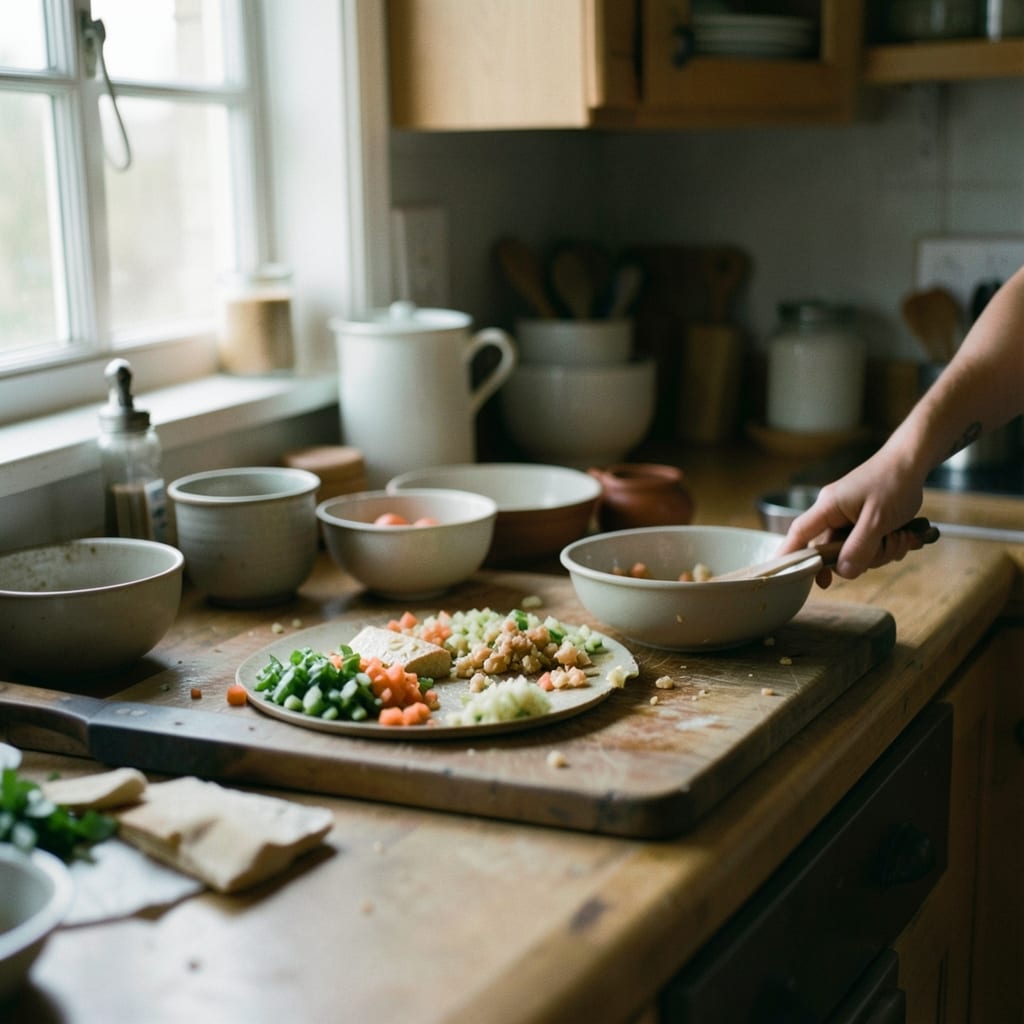
Why I started Cheese Recipes Bite
It started with a burnt batch of mac and cheese—my first attempt at making it from scratch, back when I was still convinced that cheese sauce was just a matter of melting powder and stirring. My dad, who had been watching from the couch, didn’t even laugh.
He just said, *‘You’re missing the point.’* And then he told me about the time his own grandmother used to let him lick the wooden spoon clean after stirring the pot, how the crust on the top was supposed to be crisp enough to snap off, and how the cheese had to pull in long, golden strands when you dragged a fork through it.
That’s when I realized recipes weren’t just instructions; they were stories waiting to be told.
So I started writing them down—not just the steps, but the *why*. The way the garlic in a risotto should smell like a forest after rain. The way a perfectly aged cheddar changes the texture of a grilled cheese into something that feels like a hug.
This site is for anyone who’s ever stood in a kitchen wondering if they’re doing it right, or who’s just looking for a dish that feels like coming home.
No fancy techniques, no pretentious language—just recipes that taste like they were made with love, even if you’re the one doing the making.
Meet the founder

My dad’s kitchen was the first classroom I ever had.
Sundays started with the smell of yeast rising in a bowl of dough while he’d hand me a wooden spoon and say, *‘Stir it like you mean it.’* The first time I tried to make his famous lasagna, I overcooked the noodles until they turned to mush.
He didn’t scold me—he just pointed at the pot and said, *‘Watch the water like a hawk.’* That’s the lesson I still carry: cooking isn’t about perfection. It’s about paying attention.
The only tool I’ve never replaced is a chipped cast-iron skillet from a thrift store in 2005. It’s got a handle so warped I have to grip it with both hands, and the seasoning’s patchy enough to make a chef wince.
But it’s the one pan I trust for searing steaks or frying eggs—because it’s seen every mistake, and it still delivers. That’s the kind of reliability I want here: recipes that hold up, even when you don’t.
The failure that changed everything was a batch of homemade gnocchi that turned out denser than bricks. I’d overworked the dough, and the heat hadn’t been even.
But instead of giving up, I started timing the boil, weighing the flour, and testing the dough’s readiness by poking it—just like my dad taught me. Now, I’d rather ruin a small batch than risk a single recipe feeling *off*.
I have a habit of tasting everything raw. Not just the finished dish—the garlic, the cheese, the broth.
It’s a quirk, I know, but I swear it’s the only way to catch a flavor that’s *almost* right. (Yes, I’ve had to spit out a few things in a hurry.) The light in my kitchen is always too bright—fluorescent tubes reflecting off stainless steel—but I can’t stand the yellow glow of warm bulbs.
It’s the only way I can see the *real* color of the food, not some cozy filter.
Meet the mascot

The first scribble of what would become our mascot happened on a napkin at a diner in Portland, where I’d gone to interview a cheesemonger about aged gouda. I was doodling while she talked, and the first attempt looked more like a confused blob than anything else.
But when I got home, I realized the blob had a *shape*—something between a cheese wheel and a winking face. I traced it onto paper with a fine-liner, exaggerating the curve of the rind and the tilt of the ‘eyes’ until it started to feel alive.
The drawn version had too many details: a proper wedge of cheese with cracks like a map, a tiny fork stuck in the side, and a shadow that made it look like it was casting a judgmental glare. But then I realized the charm was in the simplicity.
So I stripped it back—just the essential curve, a single dot for an eye, and a grin that looked more mischievous than critical. The name? *‘Bite’*—because every great recipe deserves to be taken one bite at a time.
It had to fit on a browser tab without looking like a Rorschach test, so I redrew it in three shades of gray: the wedge itself, the highlight on the rind, and the negative space of the ‘grimace.’ Now it’s small enough to follow you around the site, but big enough to remind you that cheese isn’t just an ingredient—it’s the star of the show.
What I promise you
This site exists to cut through the noise of recipes that sound impressive but taste like they were written by a robot. Here, you’ll find dishes that actually work the first time—with room for your own tweaks.
What you can hold me to
- Every recipe includes a *‘Why This Works’* section—no black magic, just science and instinct.
- If a step feels vague, it’s because I’ve tested it until it isn’t. (No ‘cook until done.’)
- The ingredients list is *exact*—no ‘a handful of this’ unless I’ve weighed it myself.
- If a recipe fails, you’ll get the fix *before* you even start.
How I create a recipe
A recipe here starts with a memory—or a mistake. Maybe it’s the way my grandmother’s ricotta tasted lighter than store-bought, or the time I burned a soufflé because I ignored the timer.
I write down the *feeling* of the dish first: the texture, the aroma, the way it should make you feel. Then I reverse-engineer it, testing each step until it matches.
The first test: hands-on
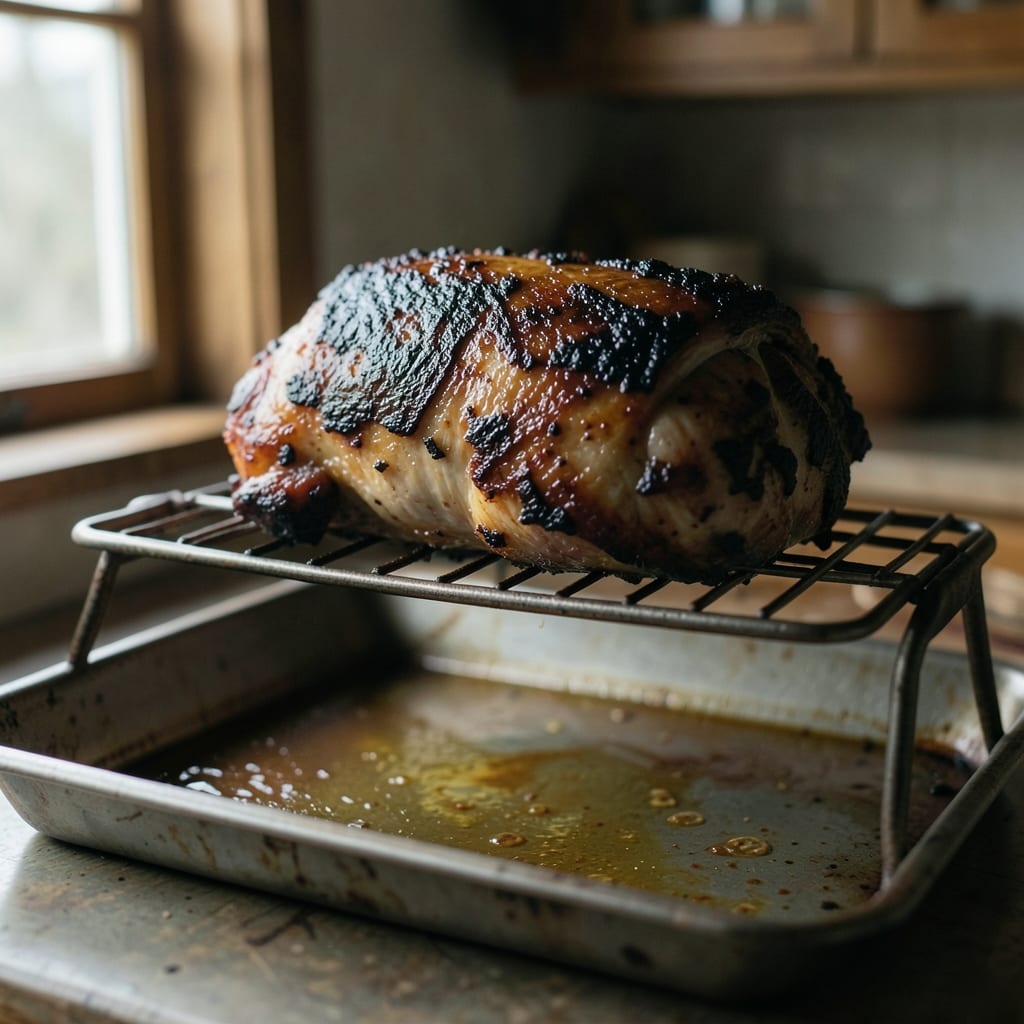
The first stage is always about the *senses*. I measure by weight, not volume—no more guessing with cups. For sauces, I taste the base (the roux, the reduction) before adding the cheese, adjusting the acidity with a splash of lemon or a pinch of salt.
If a dish needs resting, I set a timer and walk away—no peeking. The only rule that never changes? If it smells *wrong* at any point, I stop and start over.
For baking, I use an instant-read thermometer to check doneness—no more cutting into a cake to test it. And if a crust needs browning, I rotate the pan every 5 minutes, even if it means interrupting a podcast. The goal isn’t perfection; it’s consistency.
A recipe that works the same way tomorrow as it did today.
The second test: the fix
If the first attempt is off, I don’t blame the recipe—I blame the execution. Was the heat too high? Did I rush the rest? I adjust one variable at a time: lowering the oven temp, toasting the flour longer, letting the dough rise in a cooler spot.
For sauces, I might add a splash of cream to balance the richness or a squeeze of vinegar to cut through the fat. The fix is always specific—never a vague ‘add more seasoning.’
The final test is always blind: I make the dish again, but this time without tasting until the very end. If it passes that, it’s ready for you. If not, I go back to the drawing board—no matter how many pans I’ve ruined in the process.
How a page gets onto this site
While the dish is still warm, I jot down notes on a legal pad: the exact temperature of the oven, how long the cheese took to melt, what I’d do differently next time. Then I type it up, but I always let it sit for a week before publishing.
That’s when I cut the fluff, sharpen the steps, and make sure the *why* is as clear as the *how*. Some pages get rewritten months later—usually because a reader pointed out a step that could be clearer or a substitution that works better.
Write to me
I love hearing about the dishes you’ve made—or the ones that went wrong. Did you nail a recipe on the first try? Did you invent a substitution that worked even better? The contact page is where to tell me (and maybe inspire a future post).
And if you’re stuck on a recipe, send me a photo—I’ll do my best to troubleshoot.
Thanks for trusting me with your kitchen. Now go make something delicious.
—Gustavo
The recipes are grouped by category: Appetizers, Beverages, Breakfast & Brunch, Desserts, Main Courses and Salads.