
Beverages
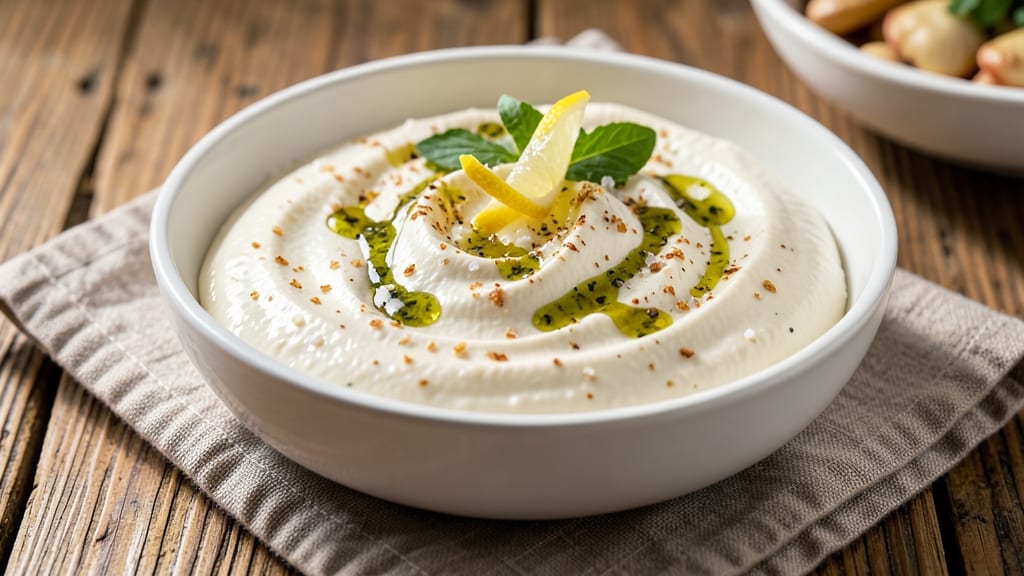
This almond milk ricotta cheese recipe transforms simple pantry staples into a creamy, nutty dairy-free alternative that mimics traditional ricotta perfectly. 💛 The secret lies in blending almond milk with a few key ingredients to create a texture that's ideal for spreading, baking, or tossing with pasta—without any dairy at all.
I've tested this recipe countless times to ensure it delivers that signature ricotta consistency while keeping it light and versatile.
The base recipe uses just five simple ingredients: almond milk, nutritional yeast, lemon juice, and a touch of salt to balance the flavors. The nutritional yeast adds that classic cheesy depth, while the lemon juice brightens the nutty richness of the almond milk.
What makes this recipe stand out is how foolproof it is—no special equipment needed, just a blender and a little patience for the mixture to thicken.
Once blended, you'll have a smooth, spreadable ricotta that's perfect for lasagna, stuffed shells, or even as a creamy dessert topping. The texture is light yet rich, with just the right amount of body to hold its shape when layered or spooned.
It keeps well in the fridge for up to 5 days, making it a great make-ahead option for meal prep or holiday entertaining.
For extra flavor, try adding fresh herbs like basil or dill, or a sprinkle of citrus zest for brightness. The possibilities are endless, but the base recipe alone delivers a versatile, dairy-free cheese that works in nearly any dish calling for ricotta. Let's get started!
Ingredients for almond milk ricotta cheese
Five simple ingredients create a creamy, nutty dairy-free ricotta that works in lasagna or desserts.
| Ingredient | Amount | Notes |
|---|---|---|
| Unsweetened Almond Milk 🥛 | 2 cups | Homemade or store-bought, unsweetened |
| Nutritional Yeast 🌾 | ½ cup | For cheesy flavor, finely ground |
| Fresh Lemon Juice 🍋 | 2 tbsp | Brightens flavor, freshly squeezed |
| Sea Salt 🧂 | ½ tsp | Fine grain, adjust to taste |
| Extra-Virgin Olive Oil 🫒 | 2 tbsp | For richness, high quality preferred |
| Raw Cashews 🥜 | ¼ cup | Soaked for creaminess, optional |
| Garlic Cloves 🧄 | 1 clove | Minced, optional for flavor |
The almond milk is the foundation—unsweetened, unsalted is key. Trader Joe's or Silk brands work perfectly, but homemade is even better. Nutritional yeast is non-negotiable here; Bob's Red Mill is my go-to for that authentic cheesy depth. Fresh lemon juice brightens the whole thing, so don't use bottled—it lacks the zing. For extra richness, soak raw cashews overnight (they turn into a creamy base when blended). The olive oil adds that signature ricotta mouthfeel, so high-quality extra-virgin makes all the difference.
No almond milk? Oat or coconut milk works in a pinch, but texture will differ slightly. Skip the nutritional yeast? White miso paste at half the amount gives a similar umami punch. Short on time? Pre-soaked cashews (like those in vacuum packs) save you overnight wait. Want more flavor? Add 1 tsp maple syrup for subtle sweetness or fresh herbs like basil or dill for brightness. The garlic clove is optional but adds a lovely savory note—mince it finely so it blends seamlessly.
This ricotta thickens as it chills, so refrigerate for at least 1 hour before using. Keeps for 5 days in an airtight container, but texture may firm up—just stir in a splash of almond milk to loosen. Freezes beautifully for 3 months—portion into ice cube trays for single-use servings. For lasagna, spread it thinly to avoid sogginess. The cashews and olive oil make this rich, so use it sparingly in desserts unless you want a decadent twist.
Why You'll Love This Recipe
- Here’s what sold me: I make a big batch (just double the recipe) and it lasts for days. No weird aftertaste, no waste—just creamy, usable cheese for under $5. Plus, almond milk is cheaper than dairy ricotta, and the nutritional yeast stretches it further. My wallet and my taste buds both win.
- Five-Ingredient Magic: I swear by this—just heat, whisk, and wait. No straining, no special tools, just almond milk, nutritional yeast, and a squeeze of lemon. That’s it. The kind of recipe that makes me feel like a genius when I remember it’s this simple.
- Bright & Tangy Twist: Honestly, I wasn’t sure about the lemon at first, but now? It’s the secret weapon. That zing cuts through the richness, and the nutritional yeast adds this cheesy umami depth without a single cow in sight. It’s the closest thing I’ve found to ricotta that actually tastes intentional.
- Spread It Everywhere: Between us, this stuff disappears fast. Dollop it on toast with olive oil and flaky salt, stir it into pasta, or use it as a dip for crusty bread. I’ve even mixed it into smoothies when I’m lazy—yes, really. It’s the kind of versatile cheese that makes you question why you ever bought the plastic tub kind.
Step-by-step instructions for almond milk ricotta cheese
Here's how to make creamy, nutty ricotta using simple plant-based ingredients.
👨🍳 Step 1: Prepare the Cashews and Garlic
Place the 0.25 cup raw cashews in a small bowl and cover with hot water. Let them soak for 15 minutes until softened—this makes them blend smoothly into a creamy texture. While they soak, mince the 1 clove garlic cloves finely using a knife or garlic press. The cashews should absorb the water and become pliable, almost like almond butter consistency.
I like to use a fine mesh strainer to drain the soaked cashews after soaking. This removes excess water that could make your ricotta too thin. The garlic adds subtle depth, but you can omit it if you prefer a neutral flavor. Keep both components ready for blending—they're the base of your cheese's creaminess.
🍳 Step 2: Blend the Base Ingredients
In a high-speed blender, combine the drained 0.25 cup soaked cashews, 2 cups unsweetened almond milk, 0.5 cup nutritional yeast, 2 tbsp fresh lemon juice, and 0.5 tsp sea salt. Blend on high for 30-45 seconds until completely smooth. The mixture should look like a pale, creamy liquid with no visible cashew particles.
This is where the magic happens—the nutritional yeast gives that authentic cheesy flavor while the lemon juice brightens the nutty richness. If your blender isn't powerful enough, the mixture might separate. In that case, strain it through a fine-mesh sieve to remove any lumps before proceeding. The texture should be silky, almost like heavy cream.
🥘 Step 3: Incorporate the Olive Oil and Finish
With the blender still running, slowly drizzle in the 2 tbsp extra-virgin olive oil through the feed tube. This adds luxurious richness and helps create that classic ricotta texture. Continue blending for another 10-15 seconds until fully incorporated. The oil should disappear completely, leaving you with a thick, velvety mixture.
Taste the mixture at this point and adjust the seasoning if needed. You might want to add a pinch more salt or lemon juice to balance the flavors. The ricotta should taste tangy, slightly nutty, and rich—like a cross between ricotta and hummus. If it's too thick, you can thin it slightly with a splash of almond milk, but it should be spreadable right now.
⏰ Step 4: Chill and Set
Transfer the ricotta mixture to a clean glass jar or airtight container. Cover and refrigerate for at least 2 hours (or up to 4 hours) to allow the flavors to meld and the texture to set properly. This chilling step is crucial—it helps the ricotta develop that perfect firm-yet-creamy consistency similar to traditional ricotta.
After chilling, give it a stir. The texture should be thick enough to hold its shape when spooned but still creamy enough to spread. If it's too firm, let it sit at room temperature for 10 minutes before serving. The longer it chills, the more pronounced the flavors become, so don't rush this step. Store any leftovers in the refrigerator for up to 5 days.
Pro Tips For Making Almond Milk Ricotta Cheese
- Reduce the Milk First: Heat your unsweetened almond milk in a saucepan until it’s just about to simmer—then remove it from heat immediately. This step thickens the base without curdling, and I’ve learned the hard way that skipping it leads to a watery ricotta. (Yes, even if you’re impatient like me, give it 3-4 minutes.)
- Toast the Nutritional Yeast: Lightly toast your nutritional yeast in a dry pan for 30 seconds until it smells nutty and fragrant. I was skeptical until I tried it—it deepens the umami flavor and prevents that "dusty" aftertaste. Just don’t walk away; it burns faster than you’d think.
- Acidify Gradually: Add lemon juice slowly, a teaspoon at a time, while stirring constantly. Dumping it all at once makes the mixture seize up. I’ve ruined three batches this way—now I taste-test after each addition until it’s just tangy enough but still creamy.
- Whisk in the Oil Last: Fold in the extra-virgin olive oil at the very end, right after removing the pan from heat. This seals in moisture and gives the ricotta a silky finish. (Pro move: Use a hand mixer for 10 seconds—it makes all the difference, even if it’s not the prettiest method.)
Wine and beer pairings for these flavors
Light White Wine
Almond milk ricotta pairs beautifully with crisp, dry white wines that complement its nutty richness without overpowering the delicate flavors. A Sauvignon Blanc from New Zealand or Loire Valley is my go-to choice—its bright acidity and citrus notes mirror the lemon juice in the ricotta.
The zesty grapefruit and herbal undertones cut through the creaminess, creating a refreshing contrast. 🍷
For a lighter option, try a Pinot Grigio from Italy, especially one from Alto Adige. The mineral notes and subtle almond undertones enhance the almond milk base, making it feel like a natural pairing.
Serve slightly chilled (around 45-48°F) to let the wine's crispness shine alongside the ricotta's smooth texture.
Herbal Beer
If you prefer beer, opt for a wheat beer or Belgian witbier to balance the ricotta's tangy and nutty profile. A Hoegaarden or Blue Moon adds a refreshing effervescence that cleanses the palate between bites.
The coriander and orange peel notes in these beers complement the lemon juice in the ricotta, creating a harmonious flavor bridge.
For a bolder option, try a German Hefeweizen like Weihenstephaner. The banana and clove undertones pair surprisingly well with the ricotta's richness, especially when served slightly chilled. Avoid heavy lagers or stouts—they can overwhelm the delicate flavors of this dairy-free cheese.
Sparkling Wine
Celebrate your homemade ricotta with a glass of Prosecco or Cava for a festive touch. The bubbles and light fruitiness elevate the ricotta's creaminess, making it feel like a special occasion dish.
A Brut Prosecco from Italy provides just enough acidity to balance the ricotta's richness without competing with its nutty undertones.
For a non-alcoholic option, try a sparkling apple cider like Martinelli's. The crisp acidity and subtle sweetness complement the ricotta's tangy, creamy profile, making it a refreshing pairing for any meal. Serve it well-chilled to enhance the contrast with the room-temperature ricotta.
Dessert Wine Pairings
When using your ricotta in desserts like cheesecakes or fruit tarts, a Moscato d'Asti or Riesling adds a delightful contrast. The sweetness of Moscato balances the ricotta's tanginess, while the slight fizz cleanses the palate.
A dry Riesling from Germany or Alsace offers a more balanced pairing, with its honeyed notes complementing the ricotta's nutty depth.
For a richer dessert pairing, try a late-harvest Chenin Blanc. The wine's natural sweetness and acidity mirror the ricotta's creamy texture and tangy brightness, creating a harmonious match. Serve the wine slightly chilled (40-45°F) to let its flavors shine alongside the ricotta.
Nutrition facts
Frequently asked questions
Can I make this ricotta without cashews?
Yes! If you're avoiding cashews, try soaked almonds or silken tofu instead. For almonds, soak 1 cup raw almonds for 4 hours, then blend with the almond milk and other ingredients. Silken tofu adds creaminess but may slightly alter the texture—blend it with 1 tbsp cornstarch to thicken. The flavor will be more neutral without the cashew richness.
Why did my ricotta turn out too thin?
This usually happens if you skipped the chilling step or used too much almond milk. Let it refrigerate for 4 hours to thicken properly. If it's still too thin, strain it through a cheesecloth-lined sieve for 30 minutes to remove excess liquid. For future batches, reduce almond milk by 0.25 cup or add 1 tbsp arrowroot powder when blending.
How can I make this ricotta sweeter for desserts?
Add 1-2 tbsp maple syrup or agave nectar to the blender with the other ingredients. For a caramelized flavor, stir in 1 tsp vanilla extract and a pinch of cinnamon. This works beautifully in fruit tarts or as a filling for vegan cheesecakes. Just remember—sweetened ricotta pairs best with tart fruits like berries or citrus zest.
Can I use this ricotta in lasagna?
This ricotta works perfectly in lasagna when used as a spread between layers. For best results, spread it thinly (about 1/4 cup per layer) to prevent sogginess. Mix in 1 tsp dried basil or oregano before assembling. Since it's dairy-free, pair it with vegan mozzarella for a fully plant-based lasagna that holds its shape beautifully when baked.
What's the best way to store leftovers?
Transfer to an airtight container and refrigerate for up to 5 days. If it separates, stir in 1 tbsp almond milk to restore creaminess. For longer storage, freeze in ice cube trays—thaw overnight in the fridge before using. The texture may firm up slightly after freezing, but it works perfectly in cooked dishes like baked pasta or frittatas.