
Sauces & Condiments
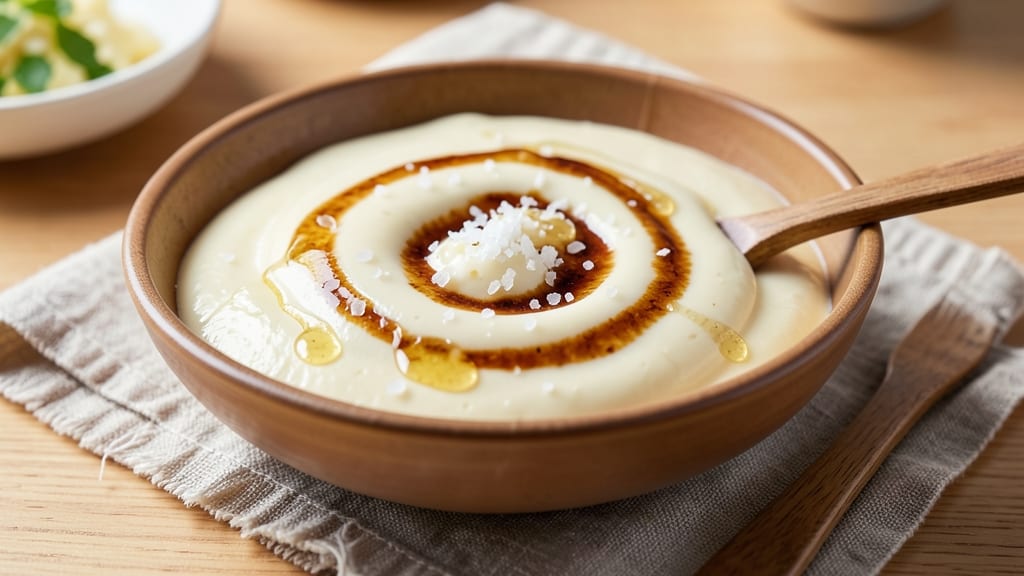
This Beecher's cheese sauce recipe delivers the ultra-smooth, melt-in-your-mouth texture that makes mac and cheese legendary. The secret lies in a perfect balance of sharp cheddar, rich milk, and a velvety roux that creates a sauce so creamy it clings to every noodle without breaking.
I've refined this version to be foolproof—no lumps, no graininess, just that restaurant-quality consistency you crave.
The foundation starts with a classic roux—equal parts butter and flour cooked until golden—but the magic happens when you add the cheese gradually while stirring constantly. Sharp cheddar provides that signature tang, while a touch of cream (optional) elevates it to next-level richness.
This isn't just any cheese sauce; it's the kind that transforms simple pasta into a decadent, velvety masterpiece.
What you'll end up with is a sauce so smooth it practically disappears between bites, leaving behind only cheesy satisfaction. It's perfect for mac and cheese, but also works wonders on broccoli, burgers, or even as a dip for crusty bread.
The best part? It reheats beautifully, so you can make a big batch and enjoy it all week.
Ready to master this sauce? The instructions are straightforward, and I'll share my pro tips for achieving that perfect, lump-free consistency every time. Let's get started—your taste buds will thank you.
Ingredients for beecher's cheese sauce
Nine ingredients transform into the legendary Beecher's-style sauce—creamy, velvety, and impossible to resist.
| Ingredient | Amount | Notes |
|---|---|---|
| Unsalted Butter 🧈 | ½ cup | Cold, cut into small cubes |
| All-Purpose Flour 🌾 | ½ cup | Sifted for smooth texture |
| Sharp White Cheddar Cheese 🧀 | 2 cups | Freshly grated from block |
| Whole Milk 🥛 | 1 ½ cups | Warmed for better blending |
| Heavy Cream 🥛 | ¼ cup | Optional for extra richness |
| Diamond Crystal Kosher Salt 🧂 | ½ tsp | Adjust to taste |
| Ground Black Pepper 🌶️ | ¼ tsp | Freshly ground preferred |
| Freshly Squeezed Lemon Juice 🍋 | 1 tbsp | Brightens the flavor |
| Nutritional Yeast 🍄 | 1 tbsp | For umami depth (optional) |
The cheese is non-negotiable—sharp white cheddar from a block (not pre-shredded) melts like a dream. Kroger or Wegmans carry excellent blocks, but any deli counter will have it. For the roux, Land O'Lakes unsalted butter works perfectly, but European-style butter adds even more depth. The flour? King Arthur all-purpose is my go-to for its smooth texture, but any high-quality brand will do. Pro tip: Keep your ingredients cold until the roux forms—this prevents early breakdown and keeps that golden color.
No sharp cheddar? Pepper Jack or Gruyère can substitute, though the flavor profile shifts slightly. Running out of milk? Half-and-half or light cream works in a pinch, but the sauce will be slightly lighter. The heavy cream is truly optional—skip it if you're watching calories, but add it if you're craving that ultra-luxurious texture. For the salt, Diamond Crystal kosher dissolves better than table salt, but any fine salt will work. Want extra umami? The nutritional yeast is a game-changer—it mimics the savory depth of aged cheeses without the dairy.
This sauce reheats like a dream—30 seconds in the microwave or gently on the stove with a splash of milk. Store leftovers in an airtight container for up to 5 days in the fridge, or freeze for 3 months in ice cube trays for perfect single-serving portions. For mac and cheese, make a double batch—it disappears faster than you can say 'Beecher's.' The sauce thickens as it cools, so thin with warm milk if needed before serving.
Why You'll Love This Recipe
- Five-Ingredient Magic: I swear by this—just butter, flour, sharp cheddar, milk, and cream. That’s it. No fancy gadgets, no last-minute grocery runs. Honestly, the pantry version is already in my fridge half the time.
- Creamy Without Clinging: The secret’s in the slow whisk—melting butter into flour first, then letting the milk and cream come to a gentle simmer. It’s rich but never gluey, and that sharp white cheddar? Pure, melty happiness in every bite.
- Mac and Cheese’s Best Friend: Drown noodles in it, swirl it into baked potatoes, or drizzle it over roasted broccoli. (Yes, even on a Tuesday night.) It’s my go-to for turning simple sides into something people actually beg for seconds of.
- Leftover Goldmine: Make a double batch—it reheats like a dream (just stir in a splash of milk if it thickens) and freezes perfectly. My kids’ school lunches? Suddenly fancy. Plus, it’s cheaper than takeout, and way tastier.
Step-by-step instructions for Beecher's cheese sauce
Here's how to create the velvety, ultra-smooth melt that makes Beecher's famous mac and cheese so irresistible.
Create a Smooth Roux with Butter and Flour
Melt the 0.5 cup unsalted butter in a medium saucepan over medium-low heat. I like to use cold butter cut into small cubes so it melts evenly without burning. Once fully melted, reduce the heat to low and gradually whisk in the 0.5 cup all-purpose flour—this creates your roux, the flavor foundation of the sauce.
Whisk continuously for 2-3 minutes until the mixture turns a pale golden color and smells nutty. This step is crucial—if you rush it, the sauce will taste raw and floury. You're looking for a smooth, thick paste that coats the back of a spoon. Keep the heat gentle; a well-made roux is the secret to that signature Beecher's texture.
Cook the Cheese Until Fully Melted
Slowly pour in the 1.5 cups whole milk while whisking vigorously to prevent lumps. Let the mixture simmer gently for 3-4 minutes, stirring constantly, until it thickens slightly. Then reduce the heat to low and gradually add the 2 cups sharp white cheddar cheese, stirring until completely melted and smooth.
This is where patience pays off. I've found that adding the cheese too quickly causes clumping, while slow incorporation ensures that velvety texture. The sauce should thicken noticeably as the cheese melts. If it's too thick, you can thin it later with a splash of milk, but we'll address that in the next step.
Finish with Cream and Seasonings
Stir in the 0.25 cup heavy cream, 0.5 tsp diamond crystal kosher salt, 0.25 tsp ground black pepper, 1 tbsp freshly squeezed lemon juice, and 1 tbsp nutritional yeast. The lemon juice brightens the richness, while the nutritional yeast adds that subtle umami depth that makes this sauce stand out. Simmer for another 2-3 minutes until everything is fully incorporated and the sauce reaches a luxurious, pourable consistency.
Here's the thing—this sauce should be thick enough to coat the back of a spoon but still flow smoothly. If it's too thick, whisk in 1 tablespoon at a time of warm milk until you reach the perfect texture. The sauce should be glossy and silky, with no visible cheese particles. Taste and adjust seasoning if needed—sometimes you need a touch more salt or pepper to balance the flavors.
Rest and Serve for Maximum Creaminess
Transfer the sauce to a clean saucepan and let it rest off the heat for 5 minutes. This resting period allows the sauce to fully meld and thicken slightly, which is essential for that Beecher's signature mouthfeel. The sauce should be hot but not boiling when you serve it—this ensures it coats your pasta perfectly without separating.
Now you're ready to pour this ultra-smooth melt over your mac and cheese. The sauce should cling beautifully to each strand of pasta, creating that iconic, gooey blanket that makes every bite decadent. Serve immediately while hot, and don't forget to garnish with extra black pepper for that final touch of sophistication. This isn't just any cheese sauce—it's the kind that makes people ask for seconds.
Pro Tips For Making Beecher'S Cheese Sauce
- Melt Cheese Slowly: I learned this the hard way—dumping shredded cheddar straight into hot liquid makes it clump like rubber. Instead, whisk the milk and cream together first, then temper the cheese by adding it in small batches while stirring constantly. The sauce will come together smoother, and you’ll avoid that dreaded grainy texture.
- Use Cold Butter: Cold, unsalted butter in the roux is your friend here. Cutting it into small cubes and letting it melt gradually prevents burning and gives the sauce a richer, silkier finish. I used to rush this, and the flavor always suffered—now I take the extra 30 seconds to let it melt slowly over medium heat.
- Shred Cheese Fresh: Pre-shredded cheese has anti-caking agents that turn your sauce into a gluey mess. Grab a box of sharp white cheddar, pulse it in a food processor for 3-4 seconds, and you’ll get perfectly even shreds that melt like a dream. (Yes, even if you’re impatient like me.)
- Finish with Cream: Adding the heavy cream at the very end—after the roux and milk have thickened—keeps the sauce velvety without breaking it. I was skeptical until I tried it: the sauce stays smooth, and the richness balances the sharp cheddar perfectly. No need to overcomplicate it.
Troubleshooting great beecher's cheese sauce
Lumpy Sauce Fix
If your sauce develops lumps, don't panic—it's fixable! Immediately remove the pan from heat and whisk in 1 tablespoon of cold butter while stirring vigorously. The fat helps disperse the lumps by breaking surface tension.
For stubborn clumps, strain the sauce through a fine-mesh sieve into a clean pot, then return to low heat with a splash of warm milk to restore smoothness. 🔥
Over-Thickened Sauce
When the sauce thickens too much, thin it gradually with warm milk (never cold) to avoid curdling. Start with 1 tablespoon at a time, whisking constantly until you reach a pourable but coatable consistency.
For extra insurance, whisk in 1 teaspoon of cornstarch mixed with 1 tablespoon water—this acts as a natural thickener that can also thin when needed. Always reheat gently after thinning.
Cheese Not Melting
If cheese refuses to melt completely, your sauce may be too hot. Reduce heat to low and stir in 1 tablespoon of cold heavy cream—the fat content helps emulsify the cheese.
For stubborn clumps, remove the pan from heat, cover with a lid, and let it sit for 5 minutes to melt residual cheese. Pre-shredded cheese causes this issue—always grate your own from a block for best results.
Sauce Too Mild
Need more flavor? Boost the sauce with ½ teaspoon of Dijon mustard (adds tang) or ½ teaspoon of smoked paprika (adds depth). For extra sharpness, whisk in 1 tablespoon of apple cider vinegar—it brightens the cheese without overpowering.
Always taste as you go, adjusting in small increments to avoid imbalance.
Grainy Texture
A grainy texture usually means the roux wasn't cooked long enough or the cheese was added too quickly. For immediate fixes, whisk in 1 tablespoon of cold butter to smooth out the texture.
For prevention, next time cook your roux until it reaches a deep golden color (about 3-4 minutes) and add cheese gradually while stirring constantly. 💡
Separation Issues
If the sauce separates into a watery layer and cheese curds, it's likely from overheating or adding cold ingredients too quickly. Recombine by whisking in 1 tablespoon of cold butter and 1 tablespoon of flour while off heat, then return to low heat until smooth.
For future batches, always warm milk and cream before adding, and maintain gentle heat throughout the process.
Nutrition facts
Frequently asked questions
Can I make this cheese sauce without a roux?
You can try a no-roux version using 2 tablespoons cornstarch mixed with ¼ cup cold milk instead of butter and flour. Whisk this slurry into the warm milk before adding cheese, then simmer until thickened. However, the roux creates that signature velvety texture—this method will be slightly lighter but still delicious.
How do I prevent the sauce from getting grainy?
Graininess usually happens when cheese melts unevenly. Always use freshly grated block cheese (never pre-shredded) and add it gradually while stirring constantly on low heat. For extra insurance, whisk in 1 tablespoon cold butter at the end—this helps emulsify any remaining texture issues.
What's the best way to reheat leftovers?
Reheat gently in a saucepan over low heat with a splash of warm milk to restore creaminess. Avoid microwaving directly—it can make the sauce watery. For single servings, freeze in ice cube trays and thaw in the fridge before reheating. The sauce reheats best when warmed slowly to prevent separation.
Can I use this sauce for dishes other than mac and cheese?
This ultra-smooth sauce works perfectly on baked potatoes, broccoli, burgers, or as a dip for crusty bread. For pasta, try adding ½ teaspoon garlic powder or ½ teaspoon smoked paprika to the finished sauce. The versatility comes from its creamy, neutral base that complements many flavors.
Why does my sauce sometimes curdle when reheating?
Curdling often happens when the sauce cools too quickly or reheats too fast. Prevent it by storing leftovers in an airtight container and reheating on low heat with a splash of warm milk. If it curdles, whisk in 1 tablespoon cold butter to restore smoothness. Always reheat gently to avoid temperature shocks.