
Main Courses
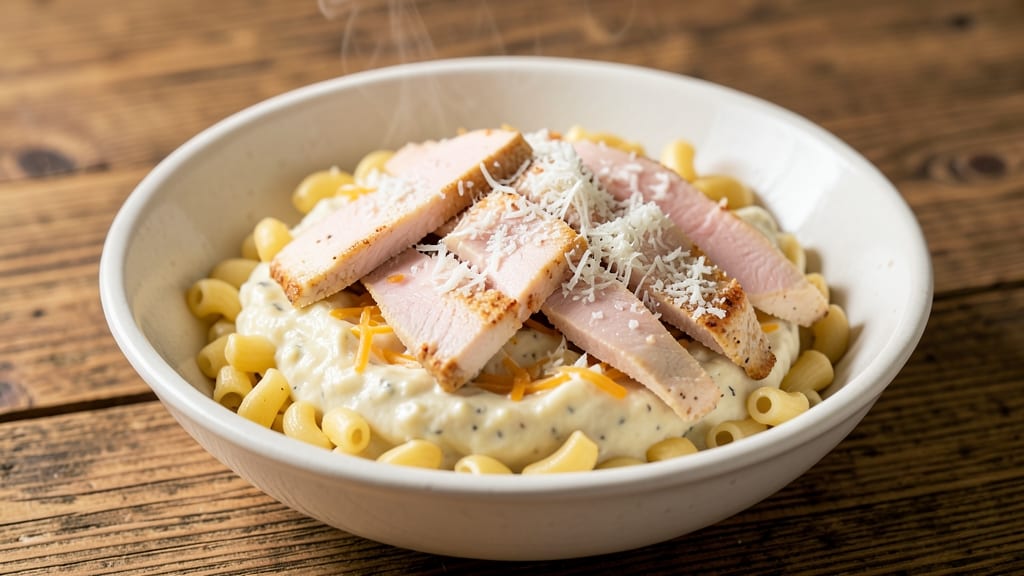
This bariatric mac and cheese recipe delivers all the comfort of classic mac without the heavy calories or digestive strain. Designed specifically for post-surgery nutrition, it focuses on protein-rich ingredients and gentle cooking methods that maintain texture while supporting your dietary needs.
The secret lies in using cauliflower puree to lighten the base and incorporating lean protein sources like chicken or cottage cheese for satisfaction without excess volume.
What makes this recipe work is the careful balance of flavor and nutrition. Instead of traditional heavy cream, we use a blend of Greek yogurt and low-fat milk to create a creamy sauce that's rich in protein while keeping calories in check.
The cheese is reduced but still delivers that familiar comfort—just with a lighter touch. Every component is chosen to be gentle on digestion while maximizing protein content per bite.
By the time you finish this recipe, you'll have a single-serving portion that's creamy, satisfying, and packed with protein—perfect for post-bariatric meal requirements. The baking method ensures the cauliflower puree integrates smoothly without losing its subtle flavor, while the protein elements provide the staying power you need.
This isn't about deprivation; it's about enjoying a classic dish the right way.
The beauty of this recipe lies in its flexibility. You can adjust the protein source based on your preferences or dietary needs, and the portion size makes it ideal for meal prepping or single-serving enjoyment.
Each bite delivers comfort without compromise, proving that nourishing meals can still be delicious. Let's create this protein-packed version that honors both your nutritional needs and your taste buds.
Ingredients for bariatric mac and cheese
Protein-packed ingredients that keep calories low while delivering creamy comfort.
| Ingredient | Amount | Notes |
|---|---|---|
| Cauliflower Puree 🥬 | ½ cup | Steamed and blended smooth |
| Low-Fat Milk 🥛 | ¼ cup | 1% or skim preferred |
| Plain Greek Yogurt 🍶 | ¼ cup | Non-fat for protein boost |
| Low-Fat Shredded Cheddar Cheese 🧀 | ½ cup | Part-skim or reduced-fat |
| Cooked Chicken Breast 🍗 | 3 oz | Shredded or finely chopped |
| Whole Wheat Elbow Macaroni 🍝 | ½ cup | Dry measure, uncooked |
| Extra-Virgin Olive Oil 🫒 | 1 tbsp | For light sautéing |
| Low-Sodium Chicken Broth 💧 | ¼ cup | For added flavor |
| Garlic Cloves 🧄 | 1 clove | Minced for aroma |
| Onion Powder 🧅 | ½ tsp | For subtle depth |
| Mustard Powder 🌶️ | ¼ tsp | For tangy flavor |
| Salt 🧂 | ⅛ tsp | Kosher or sea salt |
| Black Pepper 🌶️ | ⅛ tsp | Freshly ground |
| Nutritional Yeast 🍞 | 1 tbsp | For cheesy flavor boost |
The cauliflower puree is the secret weapon here—fresh or frozen works, but avoid pre-made mixes with additives. Trader Joe's has great frozen cauliflower steamed in-house for smooth blending. For the cheese, Kraft 2% cheddar is my go-to—it melts beautifully without being too heavy. The Greek yogurt should be non-fat to maximize protein without adding excess fat. If you prefer cottage cheese instead of chicken, use 1/4 cup low-fat cottage cheese—it adds creaminess and extra protein per bite.
No Greek yogurt? Plain non-fat yogurt works too, though it won't have quite the same protein punch. Short on chicken? Shredded rotisserie chicken is a time-saver, or swap for 1/4 cup cooked lentils for a vegetarian option. The whole wheat pasta is key for fiber—Barilla or De Cecco brands cook perfectly without gummy texture. For extra flavor without calories, add a pinch of smoked paprika. If you're sensitive to dairy, the nutritional yeast gives that cheesy kick without lactose.
This recipe reheats beautifully—microwave 1 minute covered or bake at 350°F for 10 minutes. Portion into single-serving containers for easy grab-and-go meals. The puree and sauce keep 3 days refrigerated or 1 month frozen. For meal prep, cook the pasta and protein ahead, then assemble fresh to maintain texture. The baking method in the instructions ensures everything stays tender while developing flavor.
Why You'll Love This Recipe
- Foolproof Foundation: I swear by the cauliflower puree—it blends in so smoothly you’d never guess it’s there until you taste the creamy magic. No clumping, no scraping pans, just pure, velvety sauce that comes together while I chop the chicken.
- Protein-Packed Comfort: That shredded chicken breast? It’s the secret weapon—soft, lean, and so satisfying it turns this into a full meal, not just a side. Honestly, my kids ask for the "cheesy chicken" version now, and it’s all thanks to those 5 minutes of extra effort.
- Leftover Legend: This dish actually improves the next day. The cauliflower soaks up the flavors, the yogurt keeps it rich without the guilt, and I’ve reheated portions for lunch three times—no dryness, no complaints. (Yes, even on a Tuesday night.)
- Budget-Busting Flex: I use whatever chicken I have on hand—rotisserie, leftover roasted, or even canned in a pinch—and the cheese stretches further than I expected. Between us, this is the only "cheesy" meal that doesn’t break the bank or the scale.
Step-by-step instructions for bariatric mac and cheese
Here's how to make a protein-rich, satisfying mac and cheese that's gentle on digestion and packed with flavor.
Cook the Whole Wheat Elbow Macaroni Al Dente
Bring a small pot of water to a rolling boil and add the 0.5 cup whole wheat elbow macaroni. Cook according to package instructions, but check for doneness 1 minute early—you want it al dente so it doesn't get mushy when mixed with the sauce. Drain the pasta and set it aside, reserving ½ cup of the starchy pasta water.
I find whole wheat pasta cooks slightly faster than white, so keep an eye on it. The reserved pasta water is key—it helps create a silky sauce without adding excess calories. Don't rinse the pasta, as the starch helps the cheese cling beautifully to each noodle.
Sauté Aromatics for Flavor Foundation
Heat 1 tablespoon extra-virgin olive oil in a medium saucepan over medium heat. Add the minced garlic clove and cook for 30 seconds until fragrant—don't let it brown or it'll turn bitter. Add the 0.5 teaspoon onion powder and 0.25 teaspoon mustard powder, stirring for another 10 seconds to toast the spices.
This step builds the flavor base without adding many calories. The garlic adds aroma, while the onion and mustard powders give subtle depth. If you're sensitive to garlic, you can reduce to just ½ clove, but don't skip it entirely—the flavor makes all the difference.
Create the Light Cheese Sauce
Reduce heat to low and add the 0.5 cup cauliflower puree, 0.25 cup low-fat milk, and 0.25 cup plain Greek yogurt to the pan. Stir constantly for 2-3 minutes until smooth and slightly thickened. The mixture should coat the back of a spoon but still be pourable.
Here's where the magic happens—the cauliflower puree replaces heavy cream while keeping the sauce rich and velvety. If the mixture looks too thick, add 1 tablespoon of the reserved pasta water. The Greek yogurt adds protein and tanginess that balances the cheddar's richness.
Combine and Finish the Dish
Add the 0.5 cup low-fat shredded cheddar cheese, 1 tablespoon nutritional yeast, 0.125 teaspoon salt, and 0.125 teaspoon black pepper to the sauce. Stir over low heat for 1-2 minutes until the cheese melts completely and the sauce becomes glossy. The nutritional yeast gives that extra cheesy depth without the calories.
Now add the cooked macaroni and 3 ounces cooked chicken breast (shredded or finely chopped), tossing gently to coat. If the mixture is too thick, add more reserved pasta water 1 tablespoon at a time until it reaches your desired consistency. The chicken adds lean protein that makes this dish satisfying for bariatric needs.
Adjust and Serve Warm
Taste and adjust seasoning—you might need a tiny pinch more salt since we're using low-fat cheese. The dish should be creamy but not heavy, with each bite delivering cheesy flavor and satisfying texture. Serve immediately while warm, as the sauce thickens as it cools.
This mac and cheese delivers all the comfort of classic versions but with smart swaps that keep it bariatric-friendly. The whole wheat pasta adds fiber, the Greek yogurt boosts protein, and the cauliflower puree keeps it light. Perfect for a satisfying meal that won't leave you feeling weighed down!
Pro Tips For Making Bariatric Mac And Cheese
- STEAM THE CAULIFLOWER FIRST: I used to just blend raw cauliflower and wondered why my sauce was gritty. Steam it until fork-tender first—about 8-10 minutes—then blend with milk and yogurt. This keeps the texture smooth and prevents that chalky aftertaste.
- SALT THE CHICKEN BEFORE COOKING: Low-fat chicken breast dries out fast, but salting it 30 minutes before cooking makes a real difference. Use ½ teaspoon salt per pound and let it sit uncovered on a rack. The seasoning penetrates better, and you won’t need to overcompensate later.
- LOW AND SLOW FOR THE CHEESE: Don’t rush melting the cheddar—simmer the sauce on low heat (medium-low is fine) while stirring constantly. High heat turns the yogurt grainy, and low-fat cheese burns faster than you’d think. Five minutes of gentle heat is all it takes.
- SHRED CHEESE FRESH, NOT STORED: Pre-shredded cheese has anti-caking agents that make the sauce look greasy. Grate your own low-fat cheddar just before adding it to the sauce—it melts cleaner and doesn’t clump. Save the pre-shredded version for sprinkling on top if you’re in a hurry.
Regional styles of bariatric mac and cheese
Southern Lightened Style
Inspired by classic Southern mac and cheese, this version swaps traditional heavy cream for a blend of Greek yogurt and low-fat milk—keeping that creamy texture while cutting calories.
Add ½ teaspoon smoked paprika to the sauce for a subtle smoky depth, and top with 1 tablespoon crumbled low-fat bacon bits (like Hormel Natural Choice) for a protein boost. Serve with a side of steamed green beans for a balanced meal. 🔥
New England Cauliflower Twist
New England loves its cheesy comfort foods, so this version leans into the cauliflower puree by adding ¼ teaspoon turmeric for color and ½ teaspoon dried chives for a fresh finish.
Use sharp white cheddar instead of yellow for a tangier flavor, and fold in 2 ounces cooked shrimp (about 4-5 pieces) for a seafood twist. This lighter take still delivers that iconic New England cheesiness. 🧀
Italian-Inspired Protein Boost
For an Italian-inspired version, replace the chicken with 3 ounces cooked Italian turkey sausage (like Johnsonville Mild Italian), crumbled and lightly browned. Add ¼ teaspoon dried oregano and ½ teaspoon grated Parmesan cheese to the sauce for a Mediterranean flair.
Serve with a sprinkle of fresh basil and a side of roasted zucchini for a well-rounded meal. 🍝
Mexican Fiesta Fusion
Give your mac and cheese a fiesta twist by adding ¼ teaspoon ground cumin and ½ teaspoon taco seasoning to the sauce. Swap the chicken for 3 ounces cooked black beans (rinsed and drained) and top with 2 tablespoons light sour cream and 1 tablespoon diced jalapeños.
This version is packed with fiber and protein while keeping it light and flavorful. 🌶️
Comforting Baked Casserole
For a heartier meal, bake this mac and cheese in a small greased ramekin at 350°F for 15 minutes until bubbly. Top with 1 tablespoon crushed pork rinds (like Quest) for extra crunch and a satisfying texture.
This baked version is perfect for meal prep—just reheat in the microwave for 1-2 minutes before serving. 💫
Nutrition facts
Frequently asked questions
Can I make this bariatric mac and cheese without cauliflower?
Yes, but the texture will be heavier. Replace the 0.5 cup cauliflower puree with 0.25 cup low-fat milk and 0.25 cup unsweetened applesauce for creaminess while keeping calories lower. The applesauce adds moisture without bulk, though the dish will be slightly less light. For extra protein, add 1 extra ounce of chicken or 1 tablespoon cottage cheese.
How do I adjust this recipe for stage 1 bariatric patients?
For stage 1 (full liquids), blend everything until completely smooth—no pasta. Use 0.25 cup cauliflower puree, 0.25 cup Greek yogurt, 0.25 cup low-fat milk, and 0.25 cup shredded chicken (finely chopped). Cook until thick like a pudding, then chill. Serve cold or reheat gently. Skip the pasta entirely during this phase.
Why does my cheese sauce get grainy?
Graininess usually means the cheese hasn't melted properly or the heat was too high. Always melt cheese over low heat while stirring constantly. For extra smoothness, whisk the melted cheese back into the sauce. If using powdered cheese, mix it with 1 teaspoon Greek yogurt first to prevent clumping.
Can I use dairy-free cheese in this recipe?
Yes, but choose a high-protein, low-carb option like Violife Just Like Cheddar or Miyoko's Mozzarella. Use 0.4 cup (instead of 0.5 cup) since dairy-free cheeses often have different melting properties. Add 1 extra tablespoon nutritional yeast to boost umami flavor. The texture will be slightly different but still creamy.
How do I prevent the pasta from getting mushy?
Cook whole wheat pasta 1 minute less than package instructions and drain immediately. Reserve ½ cup pasta water but don't rinse the noodles—the starch helps bind the sauce. When combining, toss gently and add pasta water 1 tablespoon at a time only if needed. Serve immediately to maintain texture.