
Side Dishes
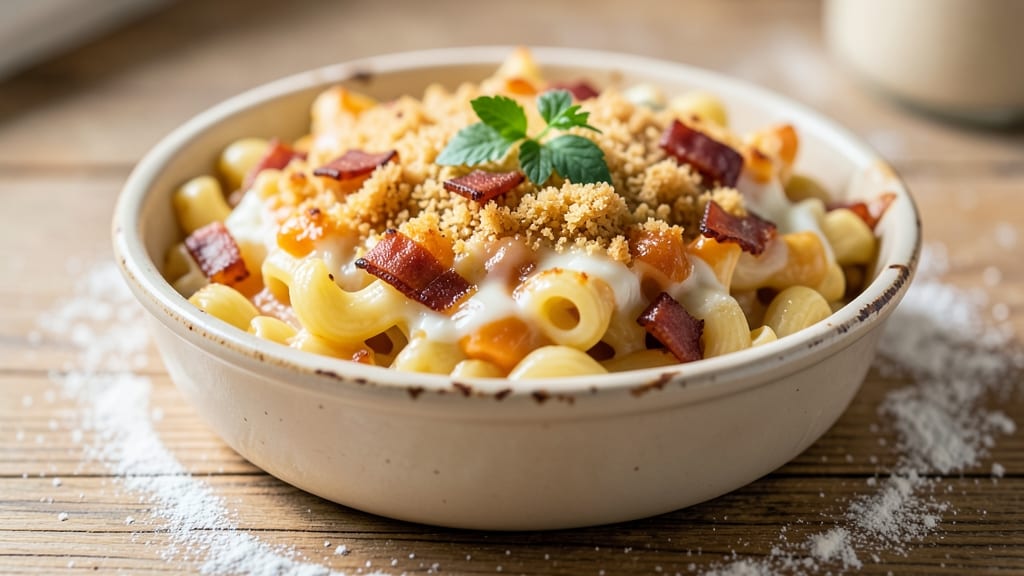
This **Filipino-inspired panlasang Pinoy baked mac and cheese recipe brings crispy-top, melty-cheese magic to your table with a twist—siling labuyo and calamansi for that familiar tang.
After years of perfecting my grandmother’s comfort food, I’ve adapted her creamy pasta into something that feels like home, with a golden crust that’ll have everyone asking for seconds. The secret? A two-stage bake that creates that signature crunch while keeping the inside gloriously gooey.
What makes this recipe special is how it balances rich, cheesy comfort with bright Filipino flavors—siling labuyo for heat, calamansi for zing, and leftover sinigang broth for depth.
You’ll start with a simple cheese sauce, then layer it with pasta and breadcrumbs before baking until the top turns golden and crispy. The result? A dish that’s restaurant-quality but feels like a weeknight win.
By the time it comes out of the oven, you’ll have a bubbling, cheesy masterpiece with a shatteringly crispy crust—the kind that makes every bite worth the effort. The tangy Filipino flavors cut through the richness, making it feel lighter than traditional baked mac and cheese.
Serve it with crispy lechon bits on top or fried shallots for extra crunch. This recipe is perfect for holiday gatherings, potlucks, or a cozy family dinner—it’s the kind of dish that disappears fast. The best part?
It’s foolproof**, so even if you’ve never made baked mac and cheese before, you’ll nail it. Let’s get cooking!
Ingredients for baked mac and cheese recipe panlasang pinoy
Six servings of cheesy comfort with Filipino flair—where crispy meets melty magic.
| Ingredient | Amount | Notes |
|---|---|---|
| Elbow Macaroni 🍝 | 1 ½ lbs | Dry pasta for texture |
| Sharp Cheddar Cheese 🧀 | 2 cups | Shredded, sharp variety |
| Monterey Jack Cheese 🧀 | 1 cup | Shredded, mild contrast |
| Heavy Cream 🥛 | 1 cup | Full-fat for richness |
| Whole Milk 🥛 | 1 cup | Warmed for smooth sauce |
| Unsalted Butter 🧈 | ½ cup | Cold, cubed for sauce |
| All-Purpose Flour 🌾 | ¼ cup | For roux base |
| Siling Labuyo 🌶️ | 2 tbsp | Fresh or dried, chopped |
| Calamansi Juice 🍋 | ¼ cup | Freshly squeezed |
| Leftover Sinigang Broth 💧 | ½ cup | For umami depth |
| Panko Breadcrumbs 🍞 | 1 cup | For crispy topping |
| Crispy Lechon Bits 🍗 | ½ cup | Optional garnish |
| Fried Shallots 🧅 | ¼ cup | For extra crunch |
| Salt 🧂 | 1 ½ tsp | Kosher or sea salt |
| Ground Black Pepper 🌶️ | ½ tsp | Freshly ground |
The cheeses are non-negotiable here. Sharp cheddar brings the tangy bite, while Monterey Jack keeps it creamy—don't skimp on either. I grab mine from Whole Foods or the deli counter at Trader Joe's for the freshest shred. For the siling labuyo, Asian markets carry it fresh or dried—look for vibrant red pods. If you can't find it, bird's eye chili or Thai chili flakes work in a pinch, but the flavor won't be identical. The calamansi juice is the secret weapon—if you can't find it, a mix of lime and a pinch of sugar gets you close.
No sinigang broth? Vegetable broth with a splash of soy sauce works perfectly fine. The panko topping is where the crispy magic happens—Japanese panko from Costco or Asian grocery stores is ideal, but regular breadcrumbs toasted in the oven work too. For the lechon bits, store-bought crispy pork from the deli section saves time, but homemade fried pork belly is worth the effort if you're feeling ambitious. The fried shallots? Trader Joe's sells them pre-made, or you can fry thin shallot slices in oil until golden.
This dish reheats beautifully—honestly tastes better the next day once everything melds together. Store leftovers in an airtight container for 4-5 days in the fridge, or freeze portions for up to 3 months. I always make a double batch because it disappears fast. For extra crispiness, broil for 1-2 minutes before serving. The lechon bits and fried shallots can be added fresh after baking to keep them perfectly crunchy.
Why You'll Love This Recipe
- One-Pan Magic: I swear by this recipe for nights when I’m too tired to scrub pots—just toss the cooked pasta, melted cheeses, and creamy sauce into one dish, bake, and walk away. The sharp cheddar and Monterey Jack blend into that perfect golden crust without any fuss.
- Creamy Crisp Perfection: Honestly, the combo of heavy cream and whole milk makes this sauce ridiculously smooth, while the baked edge turns gloriously crispy. That contrast? It’s the kind of texture that makes you close your eyes and sigh.
- Leftover Luxury: Between us, this mac and cheese reheats like a dream—no soggy pasta here. I make a big batch on Sundays, and it’s still creamy and delicious by Thursday. (Yes, even on a Tuesday night.)
- Budget Crowd-Pleaser: Sharp cheddar and Monterey Jack stretch further than you’d think, and elbow macaroni is always affordable. It’s the kind of dish that feeds a hungry family for half the cost of takeout—plus, everyone actually asks for seconds.
Step-by-step instructions for baked mac and cheese with Pinoy flair
Here's how to create a cheesy masterpiece with that perfect crispy crust and tangy Filipino twist.
Cook the Elbow Macaroni Al Dente
Bring a large pot of water to a rolling boil and add 1.5 lbs of elbow macaroni. Season generously with 1.5 teaspoons of salt—the water should taste like the sea. Cook until the pasta is al dente (about 1 minute less than package instructions). This ensures it finishes cooking perfectly in the oven without turning mushy.
Drain the pasta and immediately transfer it to a large mixing bowl. While still warm, toss the pasta with 2 tablespoons of siling labuyo and 0.25 cup of calamansi juice. The acidity from the calamansi will brighten the flavors and cut through the richness of the cheese later. Let the pasta cool slightly before moving to the next step—this prevents the cheese from melting too soon.
Prepare the Creamy Cheese Sauce
In a separate saucepan, melt 0.5 cup of unsalted butter over medium heat. Once melted, whisk in 0.25 cup of all-purpose flour to form a roux. Cook for 1-2 minutes until the mixture turns a light golden color—this removes the raw flour taste and thickens the sauce properly.
Slowly pour in 1 cup of heavy cream and 1 cup of warmed whole milk while whisking continuously. Bring the mixture to a gentle simmer and let it thicken for 3-4 minutes. Remove from heat and stir in 0.5 cup of leftover sinigang broth to add that deep umami flavor. The broth should blend seamlessly, creating a velvety base for the cheese sauce.
Combine Cheese and Assemble the Bake
In the bowl with the pasta, add 2 cups of shredded sharp cheddar cheese and 1 cup of shredded Monterey Jack cheese. Pour the warm cheese sauce over the pasta and mix thoroughly until every strand is coated. The residual heat from the sauce will start melting the cheese slightly—this is normal and helps create that signature creamy texture.
Transfer the macaroni mixture to a 9x13-inch baking dish, spreading it evenly. Here's the thing—don't press it down. You want the cheese to melt and create pockets of gooey goodness, not a dense block. Sprinkle 0.5 teaspoon of ground black pepper evenly over the top for a subtle kick.
Create the Crispy Topping Layer
In a small bowl, combine 1 cup of panko breadcrumbs, 0.5 cup of crispy lechon bits, and 0.25 cup of fried shallots. Mix gently to distribute the toppings evenly. The panko will give you that perfect crispy crust, while the lechon bits and fried shallots add texture and that unmistakable Filipino flavor profile.
Sprinkle the breadcrumb mixture evenly over the cheese, pressing down lightly with your fingers. This ensures the topping stays in place and crisps up beautifully. For extra browning, you can drizzle a thin layer of melted butter over the top—this creates a golden, caramelized crust that contrasts perfectly with the creamy cheese underneath.
Bake to Golden Perfection
Preheat your oven to 375°F. Place the baking dish on the middle rack and bake for 25-30 minutes until the top is deep golden brown and the edges are bubbling. You'll know it's ready when the cheese is fully melted and the crust has a satisfying crunch.
Let the mac and cheese rest for 5-10 minutes before serving. This resting period allows the cheese to set slightly, making it easier to cut and preventing a runny mess. Serve warm with a side of steamed vegetables or a simple green salad to balance the richness. The contrast of crispy, cheesy, and slightly tangy flavors makes this dish truly special—worth every minute of effort!
Pro Tips For Making Baked Mac And Cheese Recipe Panlasang Pinoy
- Drain, Rinse, Shake Dry: Macaroni clumps like glue when baked—after draining, run it under cold water for 10 seconds, then shake vigorously in the colander. I used to skip this, and my mac would turn into a sad, gummy block instead of crispy edges.
- Melt Cheese Slowly: Low heat is your friend here—melt the cheeses over medium-low while stirring constantly. I learned the hard way that high heat makes the Monterey Jack seize up like scrambled eggs, and you’ll end up with grainy texture instead of smooth sauce.
- Layer Cheese Like a Pro: Sprinkle half the cheese on top of the mac, mix lightly, then add the rest—don’t just dump it all at once. This ensures every bite has melty goodness, not just the top layer. (Yes, even if it looks messy at first.)
- Bake Covered First: Start with foil on for the first 20 minutes—this traps steam and gets the cheese to melt evenly. Then uncover for the last 5-10 to let the top brown. Skipping this step means a dry top and sad, soupy sides.
Troubleshooting your baked mac and cheese recipe panlasang pinoy
Cheese Too Runny?
If your mac and cheese comes out too runny, it’s usually from overcooking or too much moisture. First, check if you used enough cheese—3 cups total is the magic number for this recipe.
If it’s still too loose, try this fix: After baking, place the dish under the broiler for 1-2 minutes to set the top. For future attempts, reduce the milk by ¼ cup or add 1 extra tablespoon of flour to the roux.
I’ve learned the hard way that rushing the resting time makes it slide off the plate! 🧀
Pasta Too Dry?
Dry pasta happens when it overcooks or absorbs too much sauce. For this recipe, cook the pasta 1 minute less than package instructions (it’ll finish in the oven). If it’s still dry, toss the cooked pasta with 1 tablespoon of butter before mixing with the cheese sauce.
This prevents the pasta from absorbing all the moisture. Pro tip: Use a 9x13-inch baking dish—it’s the perfect size for even heat distribution. 🍝
Topping Not Crispy?
The crispy topping is all about the panko and baking time. If yours isn’t crispy, try these fixes: First, make sure your panko is toasted in the oven for 5 minutes at 375°F before adding it to the top.
Also, bake the dish on the middle rack—too high or low can prevent even browning. For extra crunch, broil for 1-2 minutes at the very end. I once forgot to press the topping down, and it turned into a sad, mushy mess—don’t make my mistake! 🍞
Flavor Too Mild?
If your mac and cheese lacks depth, the issue is usually in the seasoning or sauce. Boost the flavor by adding 1 extra tablespoon of siling labuyo or 1 extra teaspoon of calamansi juice to the pasta.
For umami, stir in 1 extra tablespoon of soy sauce with the sinigang broth. If it’s still bland, try adding ½ teaspoon of garlic powder or ½ teaspoon of onion powder to the cheese sauce.
My grandmother always said, “Taste as you go!”—so don’t be afraid to adjust while cooking. 🌶️
Cheese Not Melting?
Cheese that doesn’t melt usually means it wasn’t warm enough when mixed or the oven wasn’t hot enough. First, ensure your cheese sauce is hot but not boiling before combining with the pasta. Also, shred the cheese yourself—pre-shredded cheese has anti-caking agents that prevent melting.
If it’s still not melting, cover the dish with foil and bake for 5 extra minutes before uncovering. I once used cold cheese straight from the fridge, and it took 45 minutes to melt—don’t make that mistake! 🧈
Broth Too Strong?
If the sinigang broth flavor overpowers the dish, dilute it with 1 extra tablespoon of milk or cream before adding it to the sauce. For a milder taste, use ½ cup of broth instead of ¾ cup.
If you’re out of sinigang broth, substitute with vegetable broth + ½ teaspoon of fish sauce for a similar umami kick. The key is balance—too much broth can make the dish taste like soup. My first attempt was a disaster, but now I adjust the broth to taste. 💧
Nutrition facts
Frequently asked questions
Can I make this recipe without sinigang broth?
If you don't have leftover sinigang broth, substitute with ½ cup vegetable broth + ½ teaspoon fish sauce for umami depth. For a milder flavor, just use ½ cup extra milk or cream instead. The key is balancing the tangy Filipino flavors, so adjust to taste.
How do I store leftovers?
Store in an airtight container in the fridge for 4-5 days or freeze for up to 3 months. Reheat covered in the microwave for 2-3 minutes or in the oven at 350°F for 15-20 minutes until bubbly. Leftovers often taste even better the next day! The flavors meld beautifully overnight.
What can I serve with this dish?
This rich, cheesy dish pairs perfectly with light sides like steamed bok choy, crispy garlic green beans, or a simple mixed greens salad with calamansi vinaigrette. For a Filipino touch, serve with lumpia or crispy pork belly on the side. The contrast of textures and flavors makes every bite satisfying.
Can I make this gluten-free?
Yes! Use gluten-free elbow macaroni and substitute panko with gluten-free breadcrumbs (toasted in butter for crispiness). For the roux, use gluten-free flour blend. The texture will be slightly different but still delicious. Just be sure to check all cheese labels for hidden gluten.
Why does my topping get soggy?
Soggy toppings usually happen when the panko isn't dry enough or the cheese sauce is too wet. Toast your panko in the oven for 5 minutes at 375°F before adding it, and press it lightly but firmly onto the cheese. For extra insurance, broil for 1-2 minutes at the end to crisp it up. I've learned this the hard way—don't skip the pressing step!