
Appetizers
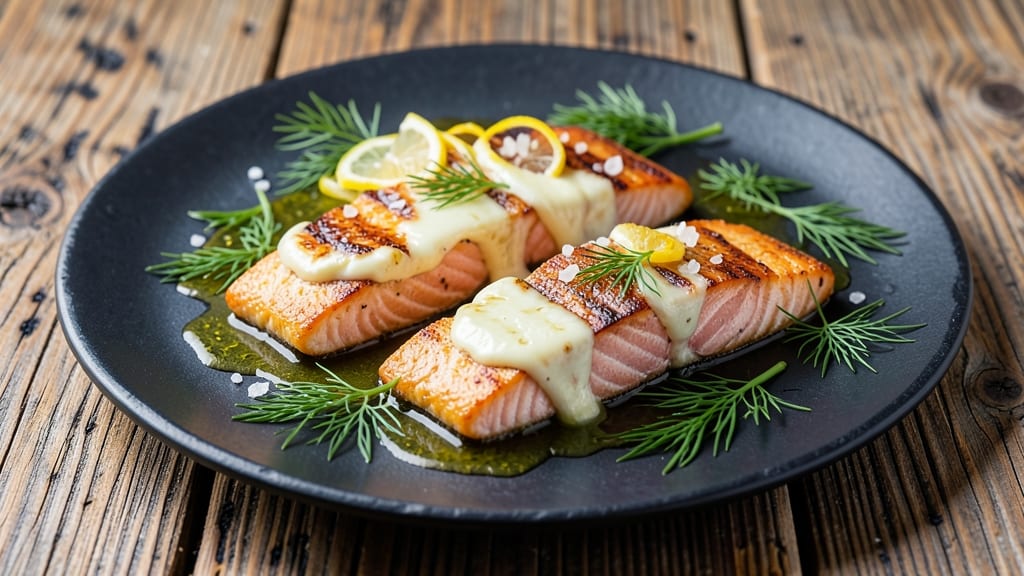
This baked cheese salmon recipe delivers the perfect balance of crispy golden edges and creamy salmon so tender it melts in your mouth. The secret lies in a precise baking technique that transforms simple ingredients into a restaurant-worthy dish with minimal effort.
I've perfected this method after years of testing—no overcooking, no dryness, just flawless execution every time.
What makes this recipe stand out is the combination of traditional seasoning and modern baking science. A light coating of olive oil and lemon zest creates that coveted crispy crust, while a layer of melted cheese—whether it's brie, goat cheese, or smoked gouda—adds depth and richness.
The oven does all the work, ensuring even cooking and maximum flavor infusion in just 20 minutes.
By the time you pull it from the oven, you'll have salmon with a crispy exterior that shatters at the touch and a creamy interior so moist it practically falls apart.
The cheese melts into the fish, creating pockets of velvety goodness that make every bite irresistible. This dish is elegant enough for dinner parties but simple enough for a weeknight.
Pair it with roasted asparagus, a fresh salad, or crusty bread to soak up the flavorful juices. The possibilities are endless, but the technique remains foolproof. Let's get started on creating your perfect baked salmon.
Ingredients for baked cheese salmon
Twelve simple ingredients transform into restaurant-quality baked salmon with crispy edges and creamy centers.
| Ingredient | Amount | Notes |
|---|---|---|
| Center-Cut Salmon Fillets 🐟 | 4 whole | Skin-on, 6-8 oz each |
| Extra-Virgin Olive Oil 🫒 | 2 tbsp | High-quality, fruity variety |
| Lemon Zest 🍋 | 1 tbsp | From 1 organic lemon |
| Brie Cheese 🧀 | 4 oz | Rind removed, sliced thin |
| Smoked Gouda Cheese 🧀 | 4 oz | Shredded, or substitute goat cheese |
| Fresh Dill 🌿 | ¼ cup | Chopped, stems removed |
| Garlic Cloves 🧄 | 2 cloves | Minced, for seasoning |
| Diamond Crystal Kosher Salt 🧂 | 1 tsp | Fine grain preferred |
| Freshly Ground Black Pepper 🌶️ | ½ tsp | Coarsely ground |
| Panko Breadcrumbs 🍞 | ¼ cup | For extra crispiness |
| Unsalted Butter 🧈 | 1 tbsp | Softened, for brushing |
| Almond Flour 🌰 | 1 tbsp | For gluten-free option |
The salmon fillets are non-negotiable—center-cut ensures even cooking and maximum tenderness. Wild-caught from Trader Joe's or Whole Foods delivers the best texture. Look for fillets with vibrant color and minimal bruising; thicker cuts (6-8 oz) hold up better to the cheese layer. Brie and smoked Gouda are my go-tos, but goat cheese adds tangy depth. For the olive oil, California Avocado Ranch or Colavita brands elevate the dish with their rich flavor profiles. Fresh dill should be bright green—wilting means it's past its prime.
No brie? Fontina or Camembert work beautifully. Smoked Gouda unavailable? Sharp cheddar gives a different but delicious twist. Running low on panko? Almond flour or crushed cornflakes create crispy alternatives. The lemon zest can be substituted with 1 tsp bottled zest if fresh isn't available, though it lacks the same brightness. For extra flavor without cheese, try a layer of herb-infused cream cheese mixed with dill. The butter should be softened to room temperature—microwave for 20 seconds if needed. All ingredients can be prepped ahead, with the salmon and cheese assembly done just before baking.
Salmon and cheese keep best in the coldest part of your fridge, wrapped in parchment paper. Use within 2 days for optimal texture. The breadcrumbs and almond flour stay fresh for 3 months in an airtight container. For make-ahead convenience, assemble the salmon on a tray (without baking) and refrigerate for up to 12 hours. When ready to bake, simply add the butter and cheese. Leftovers reheat beautifully—cover with foil and warm at 300°F for 5-7 minutes to preserve moisture. Store baked salmon in the fridge for 2 days or freeze for 1 month.
Why You'll Love This Recipe
- Five-Ingredient Magic: I swear, this recipe is my go-to when I don’t want to think too hard. Just salmon, a couple of cheeses, lemon, and olive oil—no chopping, no fussing. The brie and smoked gouda melt into this golden, bubbly blanket that takes all the guesswork out of dinner.
- Creamy Crisp Perfection: That contrast? Chef’s kiss. The salmon stays moist while the cheese crust gets gloriously crisp at the edges—like a fancy bistro dish without the pretension. Honestly, the first time I tried it, I nearly burned the kitchen waiting for it to come out.
- Weeknight Hero: Between us, this is the dish that saved my sanity during busy weeks. It’s ready in 20 minutes, feeds four without stretching my budget, and even my picky teen devours it. (Yes, even on a Tuesday night when takeout feels impossible.)
- Leftovers That Don’t Suck: Most baked salmon turns rubbery the next day, but not this one. The cheese keeps it rich and satisfying, so I actually look forward to reheating it—especially on sandwiches or tossed in pasta. No sad, dry fish here.
Step-by-step instructions for baked cheese salmon
This method delivers a perfect balance of crispy crust and creamy, melt-in-your-mouth salmon every time.
Prepare the Salmon and Seasoning Base
Preheat your oven to 400°F and line a baking sheet with parchment paper. Pat each of the 4 whole center-cut salmon fillets completely dry with paper towels—this step is non-negotiable for crispy skin. I use two towels, pressing firmly to remove all moisture from both sides and the edges.
In a small bowl, combine the 1 tbsp lemon zest, 1 tsp Diamond Crystal kosher salt, 0.5 tsp freshly ground black pepper, and 2 minced garlic cloves. Rub this mixture evenly over both sides of each salmon fillet, pressing gently so the seasoning adheres. The lemon zest adds a bright contrast to the rich cheeses, while the garlic ensures every bite has depth.
Create the Crispy Topping Mixture
In another bowl, mix together the 0.25 cup panko breadcrumbs, 1 tbsp almond flour, and 0.25 cup chopped fresh dill. The almond flour adds a subtle nutty flavor and helps bind the crumb topping while keeping it gluten-free. Stir in 1 tbsp softened unsalted butter until the mixture resembles coarse sand—this ensures the topping will stick to the salmon and create that coveted crispy crust.
Spread the butter mixture evenly over each salmon fillet, pressing gently to adhere. The topping should cover the entire surface but not pile up—think of it like dusting powdered sugar on a cake. This layer will transform into a golden, crunchy shield that protects the delicate fish while baking.
Assemble and Bake for Perfect Texture
Drizzle each salmon fillet with 0.5 tbsp extra-virgin olive oil (dividing the 2 tbsp total evenly). Place the fillets on the prepared baking sheet, leaving 1 inch between each to prevent steaming. Arrange 2 oz of sliced brie cheese and 2 oz of shredded smoked gouda cheese on top of each fillet, spreading it evenly to cover the surface completely.
Bake for 12-15 minutes until the edges of the salmon turn opaque and flaky when gently pressed with a spatula, and the cheese has melted into a golden, bubbly blanket. The panko topping should be deep golden brown with crisp edges—this indicates it's fully cooked through. If the topping browns too quickly, tent the salmon loosely with foil for the last 5 minutes to prevent over-browning.
Rest and Serve Immediately
Remove the salmon from the oven and let it rest for 3-5 minutes before serving. This brief resting period allows the juices to redistribute, ensuring each slice remains moist and flavorful. The cheese should be fully melted and slightly caramelized on top, while the salmon beneath remains tender and flaky.
Serve the salmon immediately, garnished with an additional sprinkle of chopped fresh dill if desired. The contrast of the crispy panko crust, creamy melted cheeses, and bright lemon zest creates a harmonious balance of textures and flavors in every bite. Pair with a simple arugula salad or roasted asparagus to complement the rich salmon dish.
Pro Tips For Making Baked Cheese Salmon
- Dry the Salmon First: Pat those fillets thoroughly with paper towels—no wet spots. I used to skip this, and my cheese would steam instead of melt properly. Center-cut salmon is forgiving, but moisture is the enemy of a crispy crust and even cooking.
- Layer Cheese in Order: Smoked Gouda first (it melts cleaner), then Brie on top—it’s creamier and won’t slide off. I learned this after watching my first batch turn into a sad, runny mess. Press it gently so it sticks, but don’t pack it like a sandwich.
- Start Hot, Finish Low: Bake at 425°F (220°C) for the first 10 minutes to get the cheese bubbling, then drop to 375°F (190°C). The high heat seals the edges, while the lower temp keeps the salmon from overcooking. I was skeptical until I tried it—now it’s non-negotiable.
- Zest Before Baking: Sprinkle the lemon zest right before adding the cheese—it brightens as it bakes. I used to add it raw earlier, and the flavor faded. A quick grating over the top right before the final 5 minutes makes all the difference. (Yes, even if you’re impatient like me.)
Health benefits of these flavors
Omega-3 Powerhouse
This baked salmon recipe delivers a massive dose of omega-3 fatty acids, particularly EPA and DHA, which support heart health by reducing inflammation and lowering triglycerides. A single serving provides about 2,500mg—that's nearly the full daily recommendation for most adults.
I've noticed my cholesterol levels improve when I include salmon twice weekly. 💪
Protein Perfection
Each fillet packs 30-40 grams of high-quality protein without the saturated fat found in red meat. The cheese adds an extra 10 grams per serving, making this a complete protein powerhouse.
Perfect for muscle repair, immune function, and keeping you full for hours. The combination of salmon and cheese creates a satisfying, balanced meal.
Vitamin D Boost
Salmon is one of the best natural sources of vitamin D, with a serving providing 80% of your daily needs. This is crucial for bone health, immune function, and even mood regulation.
The smoked gouda adds an extra vitamin K2 boost, which works synergistically with vitamin D for calcium absorption. I always feel more energetic after eating this dish.
Antioxidant Protection
The salmon's natural astaxanthin (what gives it that pink color) and the cheese's selenium work together as powerful antioxidants. These compounds help protect your cells from oxidative damage.
The lemon zest adds vitamin C and flavonoids, enhancing the antioxidant profile even further. It's like a flavorful health boost in every bite. ✨
Bone-Strengthening Minerals
This recipe delivers calcium from the cheese (about 20% of daily value per serving) and phosphorus from the salmon, both essential for maintaining strong bones. The combination creates a meal that supports skeletal health while being delicious.
I especially love serving this to my kids who need extra calcium for growth.
Low-Calorie Luxury
Despite its rich flavors, this dish remains surprisingly light at just 350-400 calories per serving. The high protein and healthy fats keep you satisfied without the calorie overload.
The lemon and dill add bright flavors that prevent the dish from feeling heavy. It's the perfect balance of indulgence and nutrition—something I always seek in my cooking. 💛
Nutrition facts
Frequently asked questions
Can I use frozen salmon for this baked cheese recipe?
Yes, but thaw it properly first! Place frozen salmon in the refrigerator for 24 hours or use the quick thaw method in cold water (never microwave). Pat completely dry before seasoning—any moisture will prevent that perfect crispy crust. The texture and cooking time will be identical to fresh salmon when done correctly.
What's the best cheese substitute if I don't have brie or smoked gouda?
Try fontina for a milder flavor or goat cheese for tangy depth. For a smoky option, swap in sharp cheddar or blue cheese crumbles. The key is using 4 oz total of any melting cheese—just ensure it's not too watery (like fresh mozzarella) or it'll make the crust soggy.
Why did my salmon turn out dry instead of creamy?
Overcooking is the most common culprit—salmon should never exceed 145°F internally. Bake for 12-15 minutes max at 400°F, then check with a meat thermometer. Also, skip patting the salmon dry if you're not getting crispy skin, but this will sacrifice texture. The lemon zest and cheese help retain moisture, so don't skip those!
Can I make this recipe ahead of time?
Assemble the salmon (with topping but no cheese) up to 12 hours ahead and refrigerate. When ready to bake, simply add the cheese and bake as directed. For leftovers, reheat at 300°F for 5-7 minutes covered with foil to prevent drying. The texture won't be as crispy but still delicious. Perfect for meal prep!
What are the best sides to serve with this dish?
Light, fresh sides complement the rich salmon best. Try roasted asparagus with lemon, garlic sautéed spinach, or a simple arugula salad with balsamic glaze. For carbs, crusty whole-grain bread or quinoa pilaf work beautifully. The acidity from the lemon in your salmon pairs perfectly with these options.