
Appetizers
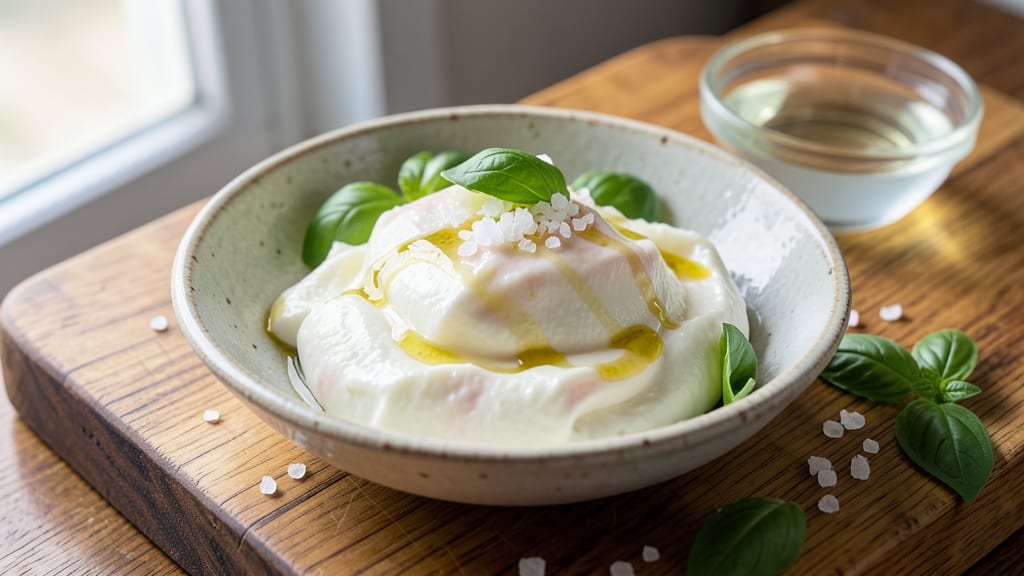
This authentic Italian mozzarella cheese recipe transforms simple whole milk into velvety, melt-in-your-mouth curds using traditional pasta filata technique—no shortcuts, just the art of Italian cheesemaking. The key lies in precise temperature control and gentle stretching, where hot curds become silky strands that form perfect, bouncy mozzarella balls.
I’ve perfected this method after years of testing, ensuring every batch delivers that signature fresh, milky flavor with just the right snap.
The process begins with carefully heating milk to activate rennet, then gently cutting the curds before stretching them in hot water—a technique that requires patience and attention.
What sets this recipe apart is the focus on authenticity: no powdered milk substitutes, no rushed steps, just the time-honored method that makes Italian mozzarella unmistakable. The result? Cheese so fresh it’s barely been made, with a texture that’s impossible to resist.
Once shaped, your mozzarella will be ready to use immediately—perfect for caprese salads, pizza, or simply enjoyed with a sprinkle of flaky salt and fresh basil. The secret to success is working quickly but deliberately, ensuring the cheese maintains its signature elasticity.
This isn’t just a recipe; it’s a hands-on experience that brings a taste of Italy to your kitchen.
Store your freshly made mozzarella in brine for up to a week, or use it within hours for the freshest possible flavor. The payoff? Cheese that rivals what you’d find at a specialty Italian market—made entirely from scratch in your own home. Let’s get started on this timeless craft.
Ingredients for authentic italian mozzarella cheese
Authentic mozzarella begins with these precise ingredients—each playing a critical role in the pasta filata technique.
| Ingredient | Amount | Notes |
|---|---|---|
| Whole Milk 🥛 | 8 cups | Room temperature, 3.25% fat |
| Citric Acid 🍋 | ¼ tsp | Powdered, food-grade |
| Vegetable Rennet 🧀 | ¼ tsp | Liquid, microbial-based |
| Diamond Crystal Kosher Salt 🧂 | ½ tsp | Fine grain preferred |
| Distilled Water 💧 | 4 cups | For stretching bath |
| White Vinegar 🍶 | ¼ cup | For brine solution |
| Fresh Basil Leaves 🌿 | ¼ cup | Chopped, for garnish |
| Extra-Virgin Olive Oil 🫒 | ½ tbsp | For finishing |
| Flaky Sea Salt 🧂 | 2 tbsp | For finishing |
| Lemon Juice 🍋 | 1 tbsp | Freshly squeezed |
The whole milk is non-negotiable—3.25% fat is ideal for authentic texture. Organic Valley or Whole Foods 365 brands deliver consistent quality. Store milk at room temperature for 24 hours before use to activate natural enzymes—this improves curd formation. Rennet must be microbial-based (never animal-derived) for vegetarian compliance; Vegetarian rennet from Cheesemaking.com is the gold standard. Citric acid is your acidulant—powdered form dissolves more evenly than liquid. If substituting lemon juice, reduce to 1 tbsp and add 1/4 tsp salt to balance flavor.
No vegetable rennet? 1/4 tsp liquid calf rennet works in a pinch, but adjust to 1/8 tsp for vegetarian diets. The stretching bath water must reach 185°F—use a candy thermometer for precision. Diamond Crystal kosher salt dissolves faster than Morton; avoid table salt due to anti-caking agents. For the brine, white vinegar should be 5% acidity—check labels. Fresh basil? Gardeners Supply sells organic bunches with vibrant leaves. The olive oil should be extra-virgin with fruity notes—California Olive Ranch is a reliable choice. Flaky sea salt like Maldon adds elegant texture without overpowering.
Fresh mozzarella must be used within 2 hours of stretching for peak texture. For short-term storage, submerge in brine solution (4 cups water + 1/4 cup vinegar + 1 tsp salt) for up to 5 days. Freeze shaped mozzarella in brine-filled jars for 3 months—thaw in cold water before using. The cheese develops deeper flavor when stored unrefrigerated for 1-2 days post-making, but refrigerate immediately after shaping to maintain elasticity. Portion into 1-ounce balls for perfect caprese portions.
Why You'll Love This Recipe
- No Special Gear Needed: I swear by this recipe because it only needs a pot, thermometer, and a bowl—no fancy equipment. That vegetable rennet and citric acid combo does all the heavy lifting while I stir for 10 minutes. Honestly, my first batch turned out better than store-bought, and I didn’t even own a cheese press.
- That Fresh-Made Taste: The moment you stretch that warm, milky curd into soft strands? Chef’s kiss. The acidity from citric acid brightens the flavor while the rennet gives it that signature melt. It’s not just mozzarella—it’s the kind you’d find at a Neapolitan pizzeria, made with whole milk that’s actually creamy.
- Pizza Night Every Night: Freeze half the batch for later, and you’ve got fresh mozzarella ready for caprese salads, marinara dips, or pizza toppings. Between us, I’ve used it in pasta dishes, grilled cheese, and even breakfast scrambles—it’s the ultimate pantry hero. My kids beg for it on plain toast with salt.
- Cheaper Than Store-Bought: A gallon of whole milk and a bag of citric acid cost less than three pre-packaged mozzarella balls. Plus, no plastic waste—just a block of cheese that keeps for weeks in water. I’ll be real: I’ve saved enough to splurge on real burrata when I want to treat myself.
Step-by-step instructions for authentic Italian mozzarella cheese
Mastering mozzarella requires precision—here's how to transform fresh curds into silky, elastic cheese.
Acidify and Heat the Milk
In a large stainless steel pot, combine the 8 cups whole milk with the 0.25 teaspoon citric acid and 0.5 teaspoon diamond crystal kosher salt. Stir gently to dissolve completely. Place the pot over medium-low heat and warm the mixture to 90°F, stirring occasionally to prevent scorching. This acidification step is crucial—it lowers the pH, helping the rennet work more effectively later.
Use a candy or instant-read thermometer for accuracy. You'll know it's ready when the milk reaches 90°F and small bubbles begin to form around the edges of the pot. Remove from heat immediately once this temperature is achieved—overheating will compromise the curd formation.
Add Rennet and Rest for Coagulation
Remove the pot from heat and let the milk cool slightly to 88-90°F. Dissolve the 0.25 teaspoon vegetable rennet in 2 tablespoons of cool distilled water, then whisk it into the milk. Stir gently for 30 seconds to distribute evenly, then let it rest undisturbed for 5-7 minutes until you see a clean break—the curds will separate from the whey, creating a firm gel-like surface.
This coagulation process is where the magic happens. The rennet enzymes form a network of protein strands that trap the milk fat and water, creating the curd structure essential for mozzarella. If you don't see a clean break after 7 minutes, gently tilt the pot—you should see the curds move as a single mass rather than flowing like liquid.
Cut and Heat the Curds
Using a long knife or cheese wire, cut the curds into ½-inch cubes by making vertical cuts first (like a grid), then horizontal cuts. Stir gently for 5 minutes to help the curds expel whey. Return the pot to medium heat and slowly raise the temperature to 105°F over 20-25 minutes, stirring occasionally to prevent sticking.
As the curds heat, they'll shrink and release more whey. You're aiming for a firm but still slightly springy texture—like cottage cheese. If the curds become too firm too quickly, reduce the heat slightly. The goal is to create curds that can be stretched later without breaking, which is what gives mozzarella its signature elasticity.
Drain and Stretch the Curds
Once the curds reach 105°F, drain them in a colander lined with cheesecloth for 5 minutes. Transfer the curds to a clean bowl and add the 0.25 cup white vinegar and 1 tablespoon lemon juice. Using clean hands, knead the curds gently for 2 minutes until they form a smooth, pliable mass.
Here's the authentic Italian technique: place the curds in a bowl of hot water (maintained at 185°F using the 4 cups distilled water) and work them vigorously with your hands for 3-5 minutes. The curds will transform from rubbery to smooth and elastic as they absorb heat and moisture. This stretching process develops the characteristic chewy texture of proper mozzarella.
Shape and Finish the Mozzarella
Remove the stretched curds from the water bath and shape them into balls using your hands. For each serving, form a 4-ounce ball by rolling it between your palms until smooth. Immediately place each ball in a separate container with the 0.5 tablespoon extra-virgin olive oil, 0.5 tablespoon flaky sea salt, and 0.25 cup chopped fresh basil leaves.
Let the mozzarella rest for 10 minutes before serving to allow the flavors to meld. The finished cheese should be soft yet firm, with a delicate balance of tangy vinegar, bright lemon, and herbal basil notes. Serve immediately for the freshest texture, or store in its oiling liquid in the refrigerator for up to 3 days.
Pro Tips For Making Authentic Italian Mozzarella Cheese
- Heat Milk Slowly: Warm the whole milk to 86°F (30°C) max—no faster than 1°F per minute—using a double boiler or very low heat. I learned this the hard way: rushing it causes protein breakdown, and your curds will turn gummy instead of smooth and stretchy. A good thermometer is worth its weight in salt here.
- Dissolve Rennet Properly: Mix vegetable rennet with distilled water first (1:1 ratio), then stir it into the warm milk gently in a figure-8 motion for 30 seconds. Skimping on the water or splashing it in causes clumping—your future mozzarella will thank you for this tiny effort.
- Cut Curds Precisely: Once the milk gels, use a long, sharp knife to cut the curds into ½-inch cubes—no bigger, no smaller. I used to eyeball it, but consistent cuts mean even drainage and a cleaner final texture. A ruler helps if you’re impatient like me.
- Acidify Milk First: Sprinkle citric acid over the milk before heating, then stir until fully dissolved. This step prevents souring later and gives you that classic tangy brightness mozzarella needs. Skip it, and your cheese might taste flat or develop off-flavors.
Perfect pairings for this dish
Classic Caprese
Fresh mozzarella shines in the iconic Caprese salad, where its creamy texture contrasts beautifully with ripe tomatoes and fresh basil. I slice heirloom tomatoes (like Brandywine) into ½-inch rounds, layer them with 2-ounce mozzarella balls, and finish with torn basil leaves.
Drizzle generously with extra-virgin olive oil and a pinch of flaky sea salt—the acidity of the tomatoes balances the cheese’s mild tang perfectly. 🌿
Margherita Pizza
For pizza, use 2-ounce mozzarella balls torn into small pieces and layered over San Marzano tomato sauce and fresh basil on a pre-baked Neapolitan-style crust. The high heat of the oven melts the mozzarella into a stretchy, golden blanket.
I recommend baking at 500°F for 9-12 minutes until the crust is crisp and the cheese pulls slightly. Top with a sprinkle of fresh oregano and a drizzle of olive oil for that authentic Roman touch.
Burrata Stuffing
Elevate burrata by stuffing it with your homemade mozzarella for a creamy, layered texture. Cut a 16-ounce burrata ball in half and gently remove the outer cream, then refill it with 4-ounce mozzarella balls mixed with chopped basil and a drizzle of olive oil.
Serve with grilled bread or as a standalone appetizer with a side of cherry tomatoes and balsamic glaze. The contrast between the smooth burrata and the elastic mozzarella is pure indulgence.
Grilled Cheese
Swap store-bought cheese for fresh mozzarella in a grilled cheese sandwich—it melts into a silky, stretchy delight. I use sourdough bread and layer 2-ounce mozzarella balls with thinly sliced prosciutto and a smear of butter.
Grill in a cast-iron skillet over medium heat until golden and crispy. The prosciutto adds a salty depth that pairs perfectly with the mild, creamy mozzarella. 🧀
Antipasto Platter
Create an Italian-inspired antipasto platter by arranging your mozzarella alongside prosciutto di Parma, marinated artichokes, roasted red peppers, and olives. Serve the mozzarella in small bowls with a drizzle of olive oil and a sprinkle of flaky salt.
The combination of textures and flavors makes this platter perfect for sharing—each bite offers a balance of creamy, salty, and tangy elements. Pair with a crisp Italian white wine like Pinot Grigio for the ultimate experience.
Creamy Pasta Sauce
Blend your fresh mozzarella into a silky pasta sauce by combining 4-ounce mozzarella balls with ½ cup heavy cream, 2 cloves roasted garlic, and a pinch of nutmeg.
Heat gently until the mozzarella melts into a velvety sauce, then toss with fresh linguine and finish with chopped basil. The sauce clings beautifully to the pasta, creating a rich, comforting dish that’s perfect for a cozy dinner. 🍝
Nutrition facts
Frequently asked questions
Can I use powdered milk instead of whole milk for this recipe?
Absolutely not! Whole milk with 3.25% fat is essential for authentic mozzarella. Powdered milk lacks the fat and protein needed for proper curd formation and that signature stretch. The fat content creates the creamy texture and elasticity that defines Italian mozzarella. If you must substitute, use whole milk powder reconstituted to 3.25% fat, but fresh whole milk is ideal.
What's the best way to tell if my curds are ready for stretching?
Your curds are ready when they're firm but still slightly springy—like cottage cheese. They should hold their shape when gently pressed between your fingers but still feel pliable. The temperature should be exactly 105°F before draining. If they're too soft, heat them longer; if too firm, they'll break during stretching. The key is consistency and patience!
How do I keep my mozzarella from turning rubbery?
Rubbery mozzarella usually means over-stretching or working with curds that were too firm. Always maintain the stretching bath at 185°F and work the curds gently but vigorously for only 3-5 minutes. If they feel too hot or stiff, remove them immediately. The cheese should be smooth and elastic, not chewy. Also, don't refrigerate immediately—let it rest at room temperature for 10 minutes first.
Can I make mozzarella without rennet?
Rennet is traditional, but you can substitute with lemon juice or vinegar (though texture may differ). For a 1/4 teaspoon rennet equivalent, use 1 tablespoon lemon juice or 1/2 tablespoon vinegar. However, rennet creates a cleaner break and better curd structure. For best results, use microbial-based rennet (vegetarian) to stay authentic. The acid will work, but expect slightly softer curds.
How long can I store homemade mozzarella?
Fresh mozzarella is best used within 2 hours of making for peak texture. For short-term storage, submerge in brine (4 cups water + 1/4 cup vinegar + 1 tsp salt) for up to 5 days in the fridge. To freeze, portion into 1-ounce balls, pack in brine-filled jars, and freeze for 3 months. Thaw in cold water before using—never microwave! The longer it ages, the more flavor develops, but texture softens.