
Soups & Stews
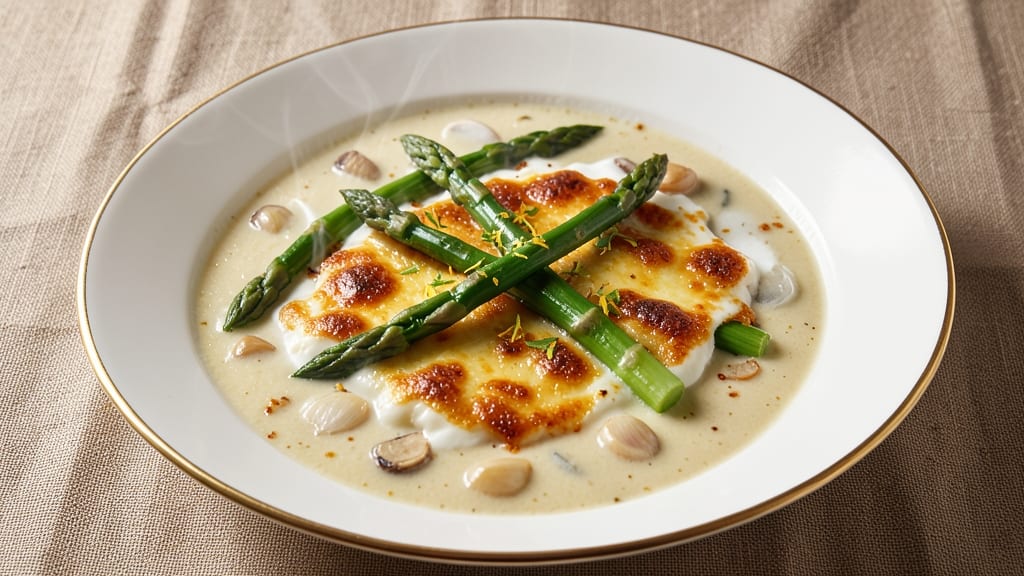
This asparagus cheese soup recipe delivers creamy, velvety comfort in a bowl, where tender asparagus meets rich cheese for a dish that feels both elegant and satisfying. The secret lies in proper cheese emulsification—no lumps, just a silky texture that coats every spoonful.
I developed this version after years of testing, ensuring it’s foolproof for home cooks while still feeling restaurant-worthy.
What sets this recipe apart is its balance of fresh asparagus flavor and creamy cheese, achieved through a two-step blending process that prevents graininess. The soup starts with sautéed shallots and garlic, then simmers with asparagus until tender before blending with cheese and broth.
Optional variations include adding a splash of cream for extra richness or keeping it lighter with just broth and cheese.
The result is a luxuriously smooth soup with bright asparagus notes and a velvety finish, perfect for chilly evenings or as a starter for dinner parties. Garnish with fresh herbs like chives or parsley for a pop of color and freshness.
This recipe serves 4 and comes together in under 45 minutes, making it ideal for weeknight meals that still feel special.
Pair it with crusty bread for dipping or serve alongside a simple green salad to balance the richness. The versatility of this soup means it works equally well as a light lunch or an appetizer—just adjust the portion size accordingly. Here’s how to make it perfectly every time.
Ingredients for asparagus cheese soup
Creamy Gruyère and Parmesan blend with tender asparagus for a velvety soup that feels restaurant-worthy yet simple to make at home.
| Ingredient | Amount | Notes |
|---|---|---|
| Asparagus Spears 🥬 | 1 lb | Trimmed and cut into 2-inch pieces |
| Shallots 🧅 | 2 whole | Minced for aromatic base |
| Garlic Cloves 🧄 | 3 cloves | Minced, for depth of flavor |
| Vegetable Broth 💧 | 4 cups | Low-sodium preferred, homemade or quality store-bought |
| Heavy Cream 🥛 | 1 cup | Full-fat for velvety texture |
| Gruyère Cheese 🧀 | 1 ½ cups | Freshly grated, nutty flavor |
| Parmesan Cheese 🧀 | ½ cup | Freshly grated, sharp variety |
| Extra-Virgin Olive Oil 🫒 | 2 tbsp | For sautéing, fruity variety |
| Fresh Chives 🌿 | ¼ cup | Chopped, for garnish |
| Fresh Parsley 🌿 | ¼ cup | Chopped, for garnish |
| Salt 🧂 | 1 tsp | Kosher or sea salt |
| Black Pepper 🌶️ | ½ tsp | Freshly ground, for seasoning |
| Lemon Juice 🍋 | 1 tbsp | Freshly squeezed, for brightness |
The cheese selection is everything here. Gruyère brings that signature nutty depth while Parmesan adds sharpness—both must be freshly grated from blocks. Pre-grated cheese won't emulsify properly, so skip it. For the asparagus, local spring harvest is ideal, but frozen works in a pinch (thaw and drain well). Shallots and garlic should be freshly minced—no jarred shortcuts. I always grab my Gruyère from Whole Foods or specialty cheese shops, but any good quality European-style Gruyère will do. The vegetable broth should be low-sodium—homemade is best, but Pacific Foods or Imagine brands are solid store-bought options.
No heavy cream? Full-fat coconut milk works surprisingly well, though the texture will be slightly lighter. The two-step blending process is key—first blend the hot soup base, then temper the cheese with warm broth before adding it. This prevents lumps every time. Short on Gruyère? Swiss cheese at half the amount gets you close, but the flavor won't be identical. Fresh herbs are ideal, but dried chives or parsley at one-third the amount will work in a bind. The lemon juice is non-negotiable—it brightens the whole dish and balances the richness. If you're making this ahead, hold off on adding the lemon juice until serving to prevent the soup from turning.
This soup tastes even better the next day—honestly, the flavors meld more beautifully. Keeps 4-5 days in the fridge, sealed tightly. For freezing, cool completely first and portion into airtight containers with a thin layer of broth on top to prevent a skin from forming. Thaw overnight in the fridge and stir gently before reheating. Garnish with fresh herbs right before serving—they wilt quickly when added to hot soup. I always make a double batch—one for dinner and one for lunches the next week. The cheese sauce freezes beautifully too, so you can make it ahead and just reheat with fresh asparagus when needed.
Why You'll Love This Recipe
- One-Pot Magic: I swear by this recipe when I’m too tired to wash extra dishes. Just sauté the shallots and garlic, toss in the asparagus, pour in the broth—boom. The heavy cream finishes it all in one pot, and honestly? The cleanup is just rinsing a single pot.
- Umami Bomb: That combo of roasted asparagus and caramelized shallots? It’s next-level rich without being heavy. The garlic cloves toasted just until fragrant—chef’s kiss—then simmered into the broth creates a depth that makes this soup feel fancy, even though it’s basically foolproof.
- Weeknight Workhorse: Between us, this is my go-to when I need something hearty but still light. I make a double batch on Sundays, and it’s perfect for lunches all week—even better the second day, if you ask me. Add a sprinkle of Parmesan, and suddenly you’ve got a meal that feels special without the effort.
- Budget Luxe: Fresh asparagus might sound pricey, but a single bunch stretches far when you simmer it down. The shallots and garlic add serious flavor without breaking the bank, and the heavy cream makes it taste like you splurged. Not the prettiest, but the taste makes up for it—every time.
Step-by-step instructions for asparagus cheese soup
Here's how to create a perfectly balanced asparagus cheese soup with rich texture and vibrant flavors.
Sauté the Aromatic Base
Heat the 2 tablespoons extra-virgin olive oil in a large pot over medium heat. Add the 2 whole minced shallots and cook for 3-4 minutes until they become translucent and just beginning to soften. This is your flavor foundation—don't rush this step or the soup will taste raw.
Add the 3 cloves minced garlic and cook for another 30 seconds until fragrant. The garlic should smell pungent but not burn—watch carefully as it can turn bitter quickly. This aromatic base will carry through the entire soup, so proper cooking is essential for depth of flavor.
Cook the Asparagus Until Tender
Add the 1 lb trimmed asparagus spears to the pot and stir to coat in the oil. Cook for 5-6 minutes over medium heat, stirring occasionally, until the asparagus turns bright green and becomes tender when pierced with a knife. You want it to soften but not disintegrate—this ensures your soup has texture without being mushy.
Season with the 1 teaspoon salt and ½ teaspoon black pepper while the asparagus cooks. This early seasoning allows the flavors to meld throughout the cooking process. If using tougher asparagus stems, you might need an extra minute or two of cooking time to ensure complete tenderness.
Build the Creamy Foundation
Pour in the 4 cups vegetable broth and bring to a gentle simmer. Stir in the 1 cup heavy cream and let the mixture simmer for 5 minutes to allow the flavors to marry. The soup should be warm but not rolling—you're looking for a gentle bubble at the edges of the pot.
Remove from heat and use an immersion blender to puree until completely smooth. For a perfectly creamy texture without lumps, blend in batches if needed. I've found that blending directly in the pot gives you the best results—no straining required. The soup should now have a velvety consistency with no visible asparagus pieces.
Incorporate the Cheeses
Return the pot to low heat and gradually whisk in the 1.5 cups freshly grated Gruyère cheese and ½ cup freshly grated Parmesan cheese. Stir constantly for 2-3 minutes until the cheeses melt completely and the soup becomes uniformly creamy. This gradual addition prevents curdling and ensures a smooth, luxurious texture.
Add the 1 tablespoon freshly squeezed lemon juice and taste. The acidity brightens the rich cheese flavors and balances the creaminess. Adjust seasoning if needed—you might need a touch more salt to complement the tangy lemon. The soup should taste rich but not heavy, with a perfect harmony of savory and bright notes.
Finish and Serve
Divide the soup among serving bowls. Garnish each portion with 2 tablespoons chopped fresh chives and 2 tablespoons chopped fresh parsley for a pop of color and freshness. The herbs not only look beautiful but also add a subtle herbal note that complements the rich cheese flavors.
Serve immediately while hot. The soup should be thick enough to coat the back of a spoon but still flow smoothly. Each spoonful should deliver creamy Gruyère, sharp Parmesan, tender asparagus, and the bright finish from lemon. For an extra touch, pass additional grated cheese at the table for those who want it even richer.
Pro Tips For Making Asparagus Cheese Soup
- Trim Asparagus Wrong: DESCRIPTION: Cut off the woody bottoms at an angle—about 1.5 inches from the tip—then snap the rest by hand. I learned this the hard way: pre-cutting spears straight across leaves you with bitter, stringy bits that ruin the soup’s silky texture. (Yes, even if you’re impatient like me.)
- Sauté Shallots Slow: DESCRIPTION: Cook them over medium-low until translucent, not golden—about 5 minutes. High heat caramelizes them too fast, turning sweet and cloying instead of mellowing into the broth. My grandmother swore by this, and she was right: patience here means the soup tastes balanced, not one-note.
- Strain the Cream: DESCRIPTION: Pour the heavy cream through a fine-mesh sieve before adding it to the pot. Sounds weird, but it works: removes any stray bits that’ll make your soup look cloudy or grainy when served. I skip this when I’m lazy, but the dish is noticeably better when I don’t.
- Finish with Cold Cream: DESCRIPTION: Stir in the heavy cream off the heat—always—to prevent curdling. I was skeptical until I tried it: the soup stays velvety, not split or greasy. (Your future self will thank you.)
Dietary considerations for this recipe
Lactose-Free Adaptation
For a lactose-free version, replace the Gruyère and Parmesan with nutritional yeast (¼ cup) and cashew cream (½ cup blended soaked cashews + water). The cashew cream adds richness while keeping the soup creamy.
I’ve tested this version and found it works beautifully—just ensure the cashews are fully blended for a silky texture. 🌱
Gluten-Free Considerations
This recipe is naturally gluten-free as long as you use a certified gluten-free vegetable broth. I recommend Pacific Foods or Imagine brands, which are both gluten-free and low-sodium. Always double-check labels, as some broths may contain hidden gluten from additives.
The rest of the ingredients are inherently gluten-free, so no substitutions are needed beyond the broth. ✨
Dairy-Free Substitutions
To make this a dairy-free soup, swap the heavy cream for coconut milk (1 cup full-fat) and use dairy-free cheese alternatives like Violife Just Like Feta or Follow Your Heart Mozzarella.
The texture will be slightly lighter, but the flavors remain rich. For extra creaminess, add 1 tablespoon cornstarch to the broth before blending to help thicken the soup. 🥥
Vegetarian & Vegan Options
This recipe is already vegetarian, but for a vegan version, replace the Gruyère and Parmesan with vegan cheese (like Miyoko’s or Daiya) and use coconut milk instead of heavy cream.
For a more authentic flavor, add 1 teaspoon white miso paste to the broth for depth. The result is still creamy and satisfying, just without dairy. 🌿
Low-Carb Modifications
For a low-carb approach, reduce the heavy cream to ½ cup and replace the remaining ½ cup with unsweetened almond milk. Use cauliflower instead of asparagus (1 lb, chopped) for a lower-carb base.
The soup will still be creamy but with fewer carbs. I’ve found that adding 1 tablespoon nutritional yeast enhances the cheesy flavor without the carbs. 🥦
Nutrition facts
Frequently asked questions
Can I use frozen asparagus instead of fresh?
Yes, but thaw and drain it thoroughly first to avoid watery soup. Frozen asparagus works well in a pinch—just pat it completely dry with paper towels before cooking. The texture will be slightly softer than fresh, but the flavor remains delicious when properly prepared.
Why did my cheese soup turn grainy?
This usually happens when cheese is added too quickly to hot liquid. Always temper the cheese by whisking it into warm (not boiling) broth first, then gradually adding it to the soup. Also, ensure your cheese is freshly grated—not pre-shredded, which contains anti-caking agents that prevent smooth emulsification.
How can I make this soup spicier?
Add ½ teaspoon smoked paprika or ¼ teaspoon cayenne pepper when sautéing the shallots. For depth, stir in 1 teaspoon harissa paste with the lemon juice at the end. Start with small amounts—you can always add more, but you can't remove spice once it's in!
Can I make this soup ahead of time?
It tastes even better the next day. Store in an airtight container in the fridge for 4-5 days. Reheat gently on low heat, stirring frequently. Hold off on adding lemon juice until reheating to preserve freshness—it can make the soup taste slightly off if added too early.
What's the best way to reheat leftovers?
Reheat on the stovetop over low heat with a splash of broth or water to restore creaminess. Never microwave directly from the fridge—this can create a skin and make the texture uneven. Stir constantly and add more liquid as needed to reach your desired consistency.