
Appetizers
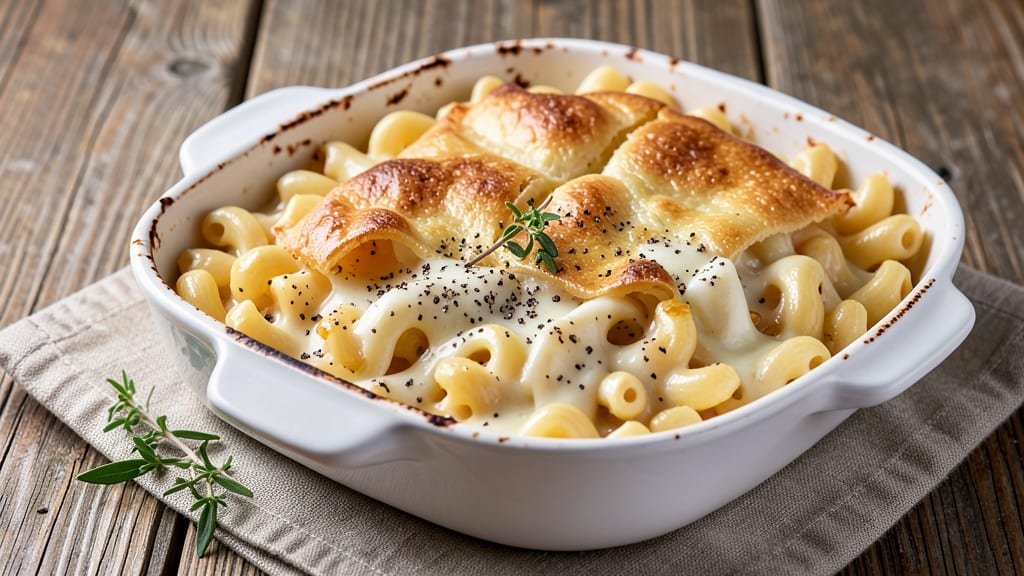
Anthony Bourdain's mac and cheese recipe delivers the kind of restaurant-quality richness that transforms a simple dish into a decadent meal. This triple-creamed version uses sharp cheddar, Gruyère, and cream cheese for a velvety sauce that clings to every al dente noodle. The secret lies in proper technique—slow-cooked roux and careful cheese melting—to avoid grainy texture or separation.
What sets this recipe apart is the balance of creaminess and depth, achieved through a two-step cooking process. First, the cheese sauce simmers on the stove until perfectly smooth, then finishes in the oven for a golden, bubbling top.
This method ensures the sauce remains rich without breaking, while the pasta stays tender and perfectly coated.
The result is a dish that's impossibly creamy yet still substantial, with a crispy breadcrumb topping adding texture contrast. Each bite delivers layers of sharp cheddar, nutty Gruyère, and creamy depth—just like Bourdain's iconic version.
The dish serves as a comforting centerpiece that's elegant enough for dinner parties yet simple enough for weeknights.
Pair with roasted vegetables or a crisp green salad to balance the richness, or serve as-is with extra breadcrumbs on top. The key to success is patience—letting the sauce develop slowly and avoiding rushing the oven finish. Here's how to make it perfectly every time.
Ingredients for anthony's mac and cheese
Restaurant-quality richness starts with these carefully chosen ingredients for Bourdain's iconic triple-cream mac and cheese.
| Ingredient | Amount | Notes |
|---|---|---|
| Elbow Macaroni 🍝 | 12 oz | Dry, al dente preferred |
| Unsalted Butter 🧈 | ¾ cup | Cold, cut into small cubes |
| All-Purpose Flour 🌾 | ½ cup | Sifted for smooth roux |
| Sharp White Cheddar Cheese 🧀 | 2 cups | Shredded, block preferred |
| Gruyère Cheese 🧀 | 1 ½ cups | Shredded, aged 12+ months |
| Cream Cheese 🧀 | 8 oz | Full-fat for creaminess |
| Whole Milk 🥛 | 1 ½ cups | Room temperature preferred |
| Heavy Cream 🥛 | ½ cup | 36% fat minimum |
| Yellow Mustard 🍯 | 1 tbsp | For tangy depth |
| Kosher Salt 🧂 | 1 ½ tsp | Diamond Crystal preferred |
| Ground Black Pepper 🌶️ | ½ tsp | Freshly ground |
| Panko Breadcrumbs 🍞 | ½ cup | For crispy topping |
| Garlic Powder 🧄 | ½ tsp | For subtle flavor |
| Nutritional Yeast 🍄 | 2 tbsp | For umami boost |
The cheeses make or break this dish. Gruyère should be aged at least 12 months for proper nutty depth—Whittard of Chelsea or Mile High are reliable brands. Sharp cheddar adds the necessary tang, and full-fat cream cheese ensures that velvety texture. For the butter, Plugrá or European-style brands melt more smoothly than standard American butter. If you're using pre-shredded cheese, pick the kind without anti-caking agents—it melts far better. The flour matters too: King Arthur or Bertolli create a silky roux without floury aftertaste.
No Gruyère? Comté cheese works as a substitute, though it's slightly milder. Pre-shredded cheese? Block cheese is non-negotiable—the anti-caking agents in pre-shredded versions make the sauce grainy. Running short on heavy cream? Half-and-half plus a splash of milk gets you close, though the sauce won't be quite as rich. For the breadcrumbs, panko plus a pinch of garlic powder gives that crispy, flavorful topping without needing extra ingredients. The mustard is key—it cuts through the richness and adds depth, so don't skip it. If you're making this ahead, add the mustard after baking to preserve its sharpness.
This dish reheats beautifully—oven at 350°F for 15 minutes restores that golden crust. Keeps for 4 days in the fridge, though the texture suffers after day 3. For freezing, assemble without the breadcrumb topping—add it fresh after baking. Portion into ramekins or small baking dishes for easy individual servings. Leftovers? Broil for 2 minutes to crisp the top before serving. The sauce will thicken as it cools, so if it looks too stiff when reheating, add a splash of warm milk and stir gently.
Why You'll Love This Recipe
- One-Pot Magic: I swear by this recipe because it’s actually one-pot—no strainer, no extra bowls, just butter, flour, and cheese melting together until it’s velvety. The elbow macaroni cooks right in the sauce, and honestly? That’s my kind of effortless.
- Cheese Love: Between the sharp white cheddar’s tang and Gruyère’s nutty crunch, this isn’t just mac and cheese—it’s a flavor party. The cheese pulls apart in strings, and that crispy top? Pure satisfaction every bite.
- Leftover Hero: This recipe doubles easy, and the leftovers? Still creamy and delicious the next day. I reheat it in the microwave or oven, and it’s just as good—perfect for lazy mornings or quick lunches.
- Budget Win: Gruyère might sound fancy, but a little goes a long way, and the rest is basic pantry staples. For what it delivers, this is my go-to cheap-eats comfort dish that still feels special.
Step-by-step instructions for anthony's triple-creamed mac and cheese
Here's the method that delivers restaurant-quality richness at home—every step matters.
Cook the Pasta to Perfect Al Dente
Bring a large pot of water to a rolling boil and add 12 oz elbow macaroni. Cook until 1 minute shy of package directions for al dente texture—this ensures the pasta finishes cooking in the cheese sauce. Reserve 1 cup pasta water before draining, as we'll use it to create an ultra-smooth sauce later.
I always taste-test the pasta at the final minute—it should have a slight bite. Overcooking leads to mushy noodles that absorb too much sauce. Drain the pasta and set it aside, but keep it warm. The residual heat helps the cheeses melt more evenly when combined.
Create the Ultimate Cheese Sauce
In a large, heavy-bottomed pot, melt 0.75 cup unsalted butter over medium heat until completely liquid. Whisk in 0.5 cup all-purpose flour to form a smooth roux, cooking for 2-3 minutes until it turns a pale golden color. This is your flavor foundation—don't let it brown or it'll taste bitter.
Gradually whisk in 1.5 cups whole milk and 0.5 cup heavy cream, ensuring no lumps form. Stir constantly until the mixture thickens enough to coat the back of a spoon. Remove from heat and add 2 cups sharp white cheddar cheese, 1.5 cups gruyère cheese, and 8 oz cream cheese, stirring until fully melted and smooth.
Build the Signature Flavor Layers
Return the pot to low heat and stir in 1 tbsp yellow mustard, 1.5 tsp kosher salt, 0.5 tsp ground black pepper, 0.5 tsp garlic powder, and 2 tbsp nutritional yeast. The mustard adds tang, the nutritional yeast brings umami depth, and the garlic powder provides subtle complexity. If the sauce thickens too much, whisk in 2-3 tablespoons reserved pasta water to reach a velvety consistency.
This is where the magic happens—I let the sauce sit for 2 minutes off heat to fully meld. The cheeses should be completely dissolved with no graininess. If you see any unmelted bits, stir in a splash more pasta water and let it warm gently until smooth.
Combine and Finish
Add the cooked pasta to the cheese sauce and toss gently but thoroughly with tongs. The sauce should coat every strand perfectly—this takes 2-3 minutes of careful mixing. If it's too thick, add more pasta water 1 tablespoon at a time until it reaches a luxurious, creamy texture that clings beautifully.
For the final touch, transfer the mac and cheese to a 9x9-inch baking dish and sprinkle 0.5 cup panko breadcrumbs evenly over the top. This creates a crispy, golden crust that contrasts perfectly with the creamy interior. Bake at 375°F for 15-20 minutes until bubbly and golden.
Rest and Serve
Remove from the oven and let it rest for 5 minutes before serving. This resting period allows the layers to set slightly, making it easier to scoop and ensuring clean bites. The breadcrumb topping should be crispy on top while the mac and cheese remains creamy underneath.
Serve immediately while still warm. The combination of sharp cheddar, nutty gruyère, and creamy textures creates a dish that's rich yet balanced. Each bite should deliver that perfect harmony of cheesy goodness with a satisfying crunch from the breadcrumbs.
Pro Tips For Making Anthony'S Mac And Cheese
- Cook pasta al dente: Anthony’s recipe relies on elbow macaroni holding its shape—overcooking turns it mushy. Pull it out when it’s just firm to the bite (about 1 minute less than package instructions), then toss immediately with the cheese sauce while still hot. The starch clings better, and the texture stays perfect.
- Grate cheese finely: Skip the food processor for Gruyère and sharp cheddar—uneven bits melt unevenly. Use a box grater with medium holes and mix the cheeses in the sauce as it cooks. This ensures smooth melting and a creamy finish without clumps. (Yes, even if you’re impatient like me.)
- Low and slow roux: The flour-butter roux is where flavor builds, but rushing it burns before it thickens. Cook it over medium-low heat, stirring constantly, until it’s a deep golden color—about 5-7 minutes. Patience here means a richer sauce, not a floury one.
- Salt the pasta water: Anthony’s recipe uses unsalted butter, so the pasta water needs to be well salted (like the sea). Taste it—it should taste like tears if you’re doing it right. This balances the dish and keeps the flavor cohesive. (Your future self will thank you.)
Pro cooking tips for this recipe
Roux Perfection
The roux is the flavor foundation of this mac and cheese, so take your time here. Use a heavy-bottomed pot (like All-Clad or Le Creuset) to prevent burning. Whisk continuously for 2-3 minutes until the roux reaches a pale golden color—this ensures a smooth, flavorful base without bitterness.
If it darkens, start over; there's no saving a browned roux. 🌡️
Cheese Melting Secrets
Never add all the cheese at once—it can cause separation. Start with cream cheese and cheddar first, as they melt more easily. Stir constantly over low heat and add Gruyère last, since it's more delicate.
If the sauce looks grainy, remove it from heat and whisk in 1-2 tablespoons reserved pasta water to emulsify. The goal is a silky, lump-free sauce that coats the back of a spoon.
Pasta Water Rescue
That reserved pasta water is your secret weapon. If the sauce thickens too much, add it 1 tablespoon at a time while stirring vigorously. The starch in the water helps create that luxurious, clingy texture that makes this mac and cheese restaurant-worthy.
I keep a small bowl of pasta water nearby while cooking—it's the difference between a good batch and an exceptional one.
Oven Finish Mastery
Don't skip the oven finish—it's what transforms this dish from good to legendary. Bake at 375°F for 15-20 minutes until the edges are golden and bubbly. If the breadcrumbs aren't browning enough, broil for 1-2 minutes at the end.
The key is patience—rushing leads to uneven cooking and a soggy topping. A lightly oiled baking dish also helps prevent sticking.
Resting for Success
This is where most home cooks fail. After baking, let the mac and cheese rest for 5-10 minutes before serving. This allows the breadcrumb topping to crisp fully and the sauce to set slightly, making it easier to scoop.
The result? Clean, perfect bites every time. I've seen people skip this step and end up with messy, runny mac and cheese—don't be that person! 💫
Equipment Upgrades
Invest in a fine-mesh cheese grater (like Microplane) for perfectly shredded cheese with no clumps. A wooden spoon for stirring the sauce helps prevent scorching, and tongs for mixing pasta and sauce give you better control than a metal spoon.
For baking, I love ceramic ramekins—they distribute heat evenly and make individual portions look restaurant-fancy.
Nutrition facts
Frequently asked questions about anthony's mac and cheese
Why does Anthony's version use both Gruyère and cheddar?
The combination creates the perfect balance of flavors. Sharp cheddar provides that signature tangy kick, while Gruyère adds nutty depth and a velvety melt. The Gruyère also contributes to the sauce's luxurious texture—it's more delicate than cheddar and melts more smoothly.
Can I make this mac and cheese without baking it?
Yes, but you'll miss the crispy breadcrumb topping and golden finish. For a stovetop version, toss the cooked pasta with sauce and heat through gently. Top with extra panko and broil for 2-3 minutes just before serving to create crispiness. The texture won't be identical, but it still tastes amazing!
How do I fix grainy cheese sauce?
If your sauce looks grainy, remove it from heat immediately and whisk in 1-2 tablespoons reserved pasta water to emulsify. For stubborn lumps, add a splash of warm milk and stir vigorously. The key is patience—don't rush the melting process. A fine-mesh grater helps prevent clumps from the start!
What's the best way to reheat leftovers?
Reheat in the oven at 350°F for 15 minutes covered with foil, then broil for 1-2 minutes uncovered to restore the crispy top. Microwaving works in a pinch, but it makes the sauce watery. Add a splash of warm milk if needed to restore creaminess. Best served fresh, but leftovers reheat beautifully!
Can I substitute any of the cheeses?
Gruyère is ideal, but Comté or Parmigiano-Reggiano work well as substitutes. For cheddar, use a sharp variety like Jarlsberg or Cabot. Avoid pre-shredded cheese—it contains anti-caking agents that make the sauce grainy. If you're dairy-free, cashew-based cheese sauces can mimic the texture, though the flavor won't be identical.