
Main Courses
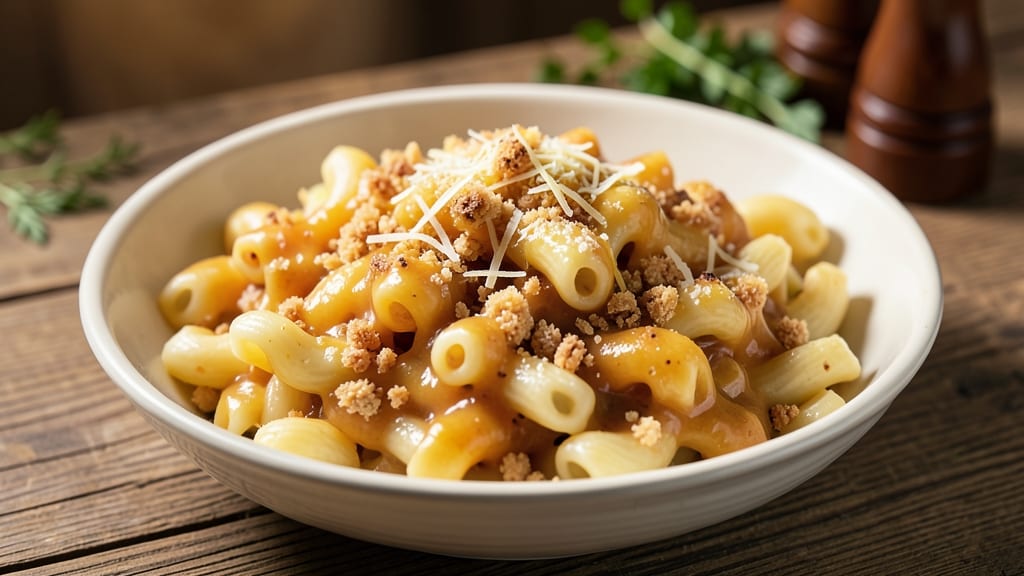
Aged cheddar mac and cheese transforms comfort food into a flavor-packed masterpiece—where sharp, nutty cheese meets perfectly crispy breadcrumb topping. The secret lies in a slow-cooked roux that develops deep, caramelized notes, while aged cheddar delivers complexity that ordinary cheeses can't match. This recipe balances rich tradition with modern convenience, ensuring restaurant-quality results without the fuss.
What sets this apart is the two-stage cooking process: first, a velvety cheese sauce simmered until silky smooth, then combined with al dente pasta before baking to achieve that signature crispy crust.
The breadcrumb topping isn't just decorative—it adds texture contrast and prevents sogginess, making every bite satisfying. Even beginners will master the technique with precise temperature control and simple steps.
By the time it emerges from the oven, you'll have golden, bubbling mac and cheese with a crispy exterior that shatters at the slightest touch. The cheese sauce clings to each noodle, creating pockets of melty, nutty goodness that balance the crunch.
It's the kind of dish that elevates weeknight dinners into something special—without requiring advanced skills.
Perfect for feeding a crowd or meal prepping, this recipe scales effortlessly while maintaining its signature texture and flavor. The aged cheddar ensures depth that stands up to bold toppings like bacon or scallions. Let's get started on creating your new favorite comfort dish.
Ingredients for aged cheddar mac and cheese
Six essential ingredients transform ordinary mac and cheese into restaurant-quality comfort food with bold aged cheddar flavor and crispy topping.
| Ingredient | Amount | Notes |
|---|---|---|
| Elbow Macaroni 🍝 | 1 ½ lbs | Short pasta for optimal sauce cling |
| Aged Cheddar Cheese 🧀 | 2 cups | Shredded, 18-month aged minimum |
| Sharp White Cheddar Cheese 🧀 | 1 cup | For additional brightness |
| Unsalted Butter 🧈 | ¾ cup | European-style preferred |
| All-Purpose Flour 🌾 | ½ cup | For roux development |
| Heavy Cream 🥛 | ½ cup | Full-fat for creaminess |
| Whole Milk 🥛 | ½ cup | Warmed for smooth sauce |
| Yellow Onion 🧅 | 1 whole | Finely diced, sweet variety |
| Garlic Cloves 🧄 | 4 cloves | Minced for aromatic depth |
| Panko Breadcrumbs 🍞 | 1 cup | Japanese-style for crispiness |
| Parmesan Cheese 🧀 | ¼ cup | Freshly grated for topping |
| Dried Mustard 🌶️ | 1 tsp | For subtle tang |
| Diamond Crystal Kosher Salt 🧂 | 1 ½ tsp | Adjust to taste |
| Freshly Ground Black Pepper 🌶️ | ½ tsp | Cracked peppercorns preferred |
| Nutritional Yeast 🍃 | 2 tbsp | For umami enhancement |
The aged cheddar is non-negotiable—look for 18-month minimum aging from specialty cheese shops or well-stocked grocery stores like Whole Foods or Wegmans. The sharp white cheddar adds brightness that balances the richness. For butter, Plugrá or European-style brands melt more smoothly than American butter. Panko breadcrumbs are superior to regular breadcrumbs—they stay crispy and add texture. If you can't find panko, toast regular breadcrumbs in the oven at 375°F for 5 minutes first. The nutritional yeast might be new to your pantry but adds that savory depth that makes this dish sing.
No aged cheddar? Extra-sharp white cheddar plus a splash of white wine in the sauce gets you close. Substitute heavy cream with full-fat coconut milk for a dairy-free option, though texture will differ slightly. For the breadcrumbs, crushed cornflakes or crushed potato chips work in a pinch—just add an extra tablespoon of melted butter to bind them. The mustard is crucial for that subtle tang, but if you're avoiding it, lemon zest at half the amount adds brightness without the bite. Freshly grated Parmesan is ideal, but pre-grated works if you're in a rush—just pick up the good stuff at Trader Joe's or Costco.
This mac and cheese reheats beautifully—just cover with foil and bake at 350°F for 15-20 minutes until bubbly. For meal prep, portion into individual baking dishes before baking to maintain crispiness. The sauce keeps for 3 days refrigerated and freezes for 3 months—thaw overnight in the fridge. To revive from frozen, bake covered at 325°F for 30 minutes, then broil 2 minutes for crispiness. The breadcrumb topping can be made ahead and stored in the freezer for up to 1 week**—just add extra butter when reheating.
Why You'll Love This Recipe
- No-Fuss Roux Magic: I’ll be real—making the roux from scratch takes two minutes, tops. Just melt butter, whisk in flour, and let it bubble until it smells like pure comfort. That’s it. No fancy techniques, just butter, flour, and the kind of sauce that clings to every noodle like it’s meant to be there.
- Cheese Overload (In a Good Way): The sharp white cheddar adds that bright tang, while the aged cheddar brings deep, nutty richness. Together? It’s the kind of cheesy goodness that makes you close your eyes mid-bite. (And yes, I’ve tested this—extra cheese is always the right call.)
- Leftovers That Don’t Suck: Honestly, this mac reheats like a dream. The roux keeps it creamy, not gluey, and the cheddar stays melty, not greasy. I make a big batch on Sunday and eat it for lunch all week—no sad, dry pasta here.
- Pantry Staple Power: Between us, this recipe uses stuff you already have. Butter? Check. Flour? Check. Cheese? Check. It’s the kind of meal that doesn’t require a grocery run—just pull it together when you’re starving and need something solid. (Yes, even on a Tuesday night.)
Step-by-step instructions for aged cheddar mac and cheese
Here's the method for rich, velvety aged cheddar mac and cheese with a perfectly crisp topping.
Cook the Elbow Macaroni to Al Dente Perfection
Bring a large pot of water to a rolling boil and add 1.5 lbs elbow macaroni. Season generously with 1 tsp diamond crystal kosher salt - the water should taste like the sea. Cook until 1 minute before the package instructions specify for al dente, which means it should have a slight bite but not be hard. Drain and set aside, reserving 1 cup of the pasta water for the sauce.
This reserved pasta water is crucial - it contains starch that helps create a silky sauce. Don't rinse the pasta as this removes the surface starch needed for proper sauce adhesion. I prefer to keep the pasta warm in a large bowl while I prepare the cheese sauce to maintain consistent temperature.
Develop the Roux and Build the Cheese Sauce
In a large, heavy-bottomed pot, melt 0.75 cup unsalted butter over medium heat. Once melted, whisk in 0.5 cup all-purpose flour to form a smooth paste. Cook for 2-3 minutes, stirring constantly, until the mixture turns a light golden color and smells nutty - this is your roux foundation.
Gradually whisk in 0.5 cup heavy cream and 0.5 cup warmed whole milk, ensuring no lumps form. Cook for another 3-4 minutes until the mixture thickens enough to coat the back of a spoon. This creates the velvety base that will carry all that aged cheddar flavor.
Incorporate the Cheese and Aromatics
Reduce heat to low and begin adding the cheeses in stages. First, add 2 cups aged cheddar cheese and 1 cup sharp white cheddar cheese, stirring constantly until fully melted. Then add 2 tbsp nutritional yeast and 1 tsp dried mustard, which adds umami depth and subtle tang that balances the richness.
In a separate small pan, sauté 1 finely diced yellow onion and 4 minced garlic cloves in 1 tbsp unsalted butter until soft and fragrant (3-4 minutes). Add this aromatic mixture to the cheese sauce along with 0.5 tsp freshly ground black pepper. If the sauce becomes too thick, add reserved pasta water 1 tbsp at a time until it reaches a smooth, pourable consistency.
Combine and Prepare the Crispy Topping
Add the cooked elbow macaroni to the cheese sauce and stir gently to coat each piece evenly. The sauce should cling beautifully to the pasta, creating that signature mac and cheese texture. For the crispy topping, mix 1 cup panko breadcrumbs with 0.25 cup freshly grated parmesan cheese and 0.5 tsp diamond crystal kosher salt in a small bowl.
Spread the macaroni mixture evenly in a 9x13-inch baking dish. Sprinkle the breadcrumb mixture evenly over the top, pressing down gently to ensure good contact. The breadcrumbs should form a continuous layer without gaps for even crisping.
Bake to Golden Crisp Perfection
Preheat your oven to 375°F. Bake for 20-25 minutes until the top is deep golden brown and the edges are bubbling. The breadcrumbs should be crispy to the touch, with no soft spots remaining. For extra browning, broil for 1-2 minutes at the end, watching closely to prevent burning.
Let the mac and cheese rest for 5 minutes before serving. This resting period allows the sauce to set slightly, making it easier to slice and serve. The contrast of creamy pasta and crispy breadcrumb topping creates the perfect texture combination that makes this dish irresistible.
Pro Tips For Making Aged Cheddar Mac And Cheese
- Grate Cheese Fresh: Don’t pre-shred that aged cheddar—it’s already dry and clumpy. Grab a box grater and shred it yourself right before mixing, or at least pulse it in the food processor for 3-4 seconds. The extra moisture from freshly grated cheese makes the sauce creamier, and you’ll taste the difference.
- Cook Pasta Al Dente: Aged cheddar needs room to stretch and melt, so pull your elbow macaroni out before it’s fully tender—aim for a bite with a slight resistance. Overcooked pasta turns mushy when mixed with cheese, and no one wants that. Test it early, especially if you’re using a smaller pot.
- Melt Butter Slowly: I used to rush the roux, and the flour would taste raw. For this recipe, melt the butter on medium-low heat, then whisk in the flour all at once. Cook it for 2-3 minutes until it’s a pale golden color—no browning, just a nutty aroma. That’s the base for a smooth, rich sauce.
- Reserve Starchy Water: Drain your pasta, but don’t rinse it—save about ½ cup of the starchy pasta water. When mixing the cheese sauce, add it a tablespoon at a time until it reaches your desired consistency. It’s the secret to a sauce that clings instead of separating. (Yes, even if you’re impatient like me.)
Troubleshooting this recipe
Sauce Too Thick?
If your cheese sauce becomes too thick during cooking, don't panic—just add reserved pasta water 1 tablespoon at a time while stirring constantly. The starch in the pasta water acts as a natural emulsifier, restoring creaminess without thinning the flavor.
I find this happens most often when using aged cheddar, which has lower moisture content than milder cheeses. Keep your heat at low to prevent the sauce from separating.
Cheese Won't Melt?
If your cheese clumps or refuses to melt smoothly, it's likely because you're adding it too quickly. Lower the heat to low and whisk vigorously while adding the cheese in small batches.
For stubborn clumps, remove the pot from heat briefly to let the cheese melt, then return to low heat. Pre-shredded cheese contains anti-caking agents that can prevent proper melting—opt for freshly grated cheese whenever possible.
Breadcrumbs Stay Soft
Soggy breadcrumbs are the most common issue with mac and cheese. To prevent this, bake your dish at 375°F for the full 20-25 minutes before broiling. For extra insurance, spread the breadcrumb mixture on a baking sheet and toast at 350°F for 5 minutes before adding it to the top.
I also recommend pressing down firmly with the back of a spoon to create direct contact with the cheese sauce. 🌟
Pasta Too Dry
If your pasta ends up dry after mixing with the sauce, it's usually because the sauce was too thick or the pasta cooked too long. To fix this, add 2-3 tablespoons of warm milk or reserved pasta water directly to the baking dish before baking.
For future attempts, cook pasta just until al dente (about 1 minute less than package instructions) and use the full 1 cup of reserved pasta water in your sauce.
Lumpy Texture
Lumps in your mac and cheese typically mean you didn't whisk enough when making the roux or adding the cheese. For next time, melt the butter over medium-low heat and whisk continuously for the full 2-3 minutes until the roux reaches a golden color.
When adding cheese, use a whisk or rubber spatula to break up any clumps immediately. If lumps appear during baking, stir vigorously before serving to redistribute the sauce.
Overly Salty
If your mac and cheese tastes too salty, it's usually from the cheese or the pasta water. Taste as you go—aged cheddar can be particularly salty, so you might need to reduce the amount slightly (1.75 cups instead of 2 cups).
For pasta water, use only 1 teaspoon salt when boiling, and taste before draining. If it's already too salty, stir in 1-2 tablespoons of heavy cream or milk to dilute the saltiness slightly. 💡
Nutrition facts
Frequently asked questions
Why does aged cheddar make such a difference in mac and cheese?
Aged cheddar adds deep, nutty complexity that regular cheddar can't match. The longer aging process (18+ months) intensifies its sharp, caramelized flavors, creating layers of taste that stand up to rich cream and butter. It also melts more smoothly than younger cheeses, giving your dish that velvety texture. For best results, use a mix of aged and sharp white cheddar to balance richness with brightness.
Can I make this mac and cheese without baking?
For a stovetop version, combine the cooked pasta with cheese sauce in a pot and stir over low heat until fully melted. Add a splash of milk if needed for creaminess. Top with toasted panko mixed with melted butter and Parmesan, then broil for 2-3 minutes to crisp. This method works great for quick weeknight meals.
How do I prevent the breadcrumb topping from getting soggy?
Prevent soggy breadcrumbs by baking at 375°F for the full 20-25 minutes before broiling. For extra insurance, toast the breadcrumb mixture separately at 350°F for 5 minutes before adding it to the top. Press down firmly with a spoon to create direct contact with the sauce. This creates a moisture barrier that keeps the crunch intact.
What's the best way to reheat leftovers?
Reheat covered with foil at 350°F for 15-20 minutes until bubbly. For extra crispiness, broil for 1-2 minutes at the end. Avoid microwaving as it makes the breadcrumbs soft. Store leftovers in an airtight container for up to 3 days or freeze for 3 months—thaw overnight in the fridge before reheating.
Can I substitute other cheeses for the aged cheddar?
For similar depth, try Parmigiano-Reggiano or Gruyère mixed with sharp cheddar. If using only mild cheddar, add 1/4 cup nutritional yeast for umami and a splash of white wine to enhance complexity. Avoid pre-shredded cheese as it contains anti-caking agents that prevent proper melting. Freshly grated always delivers the best texture.