
Sauces & Condiments
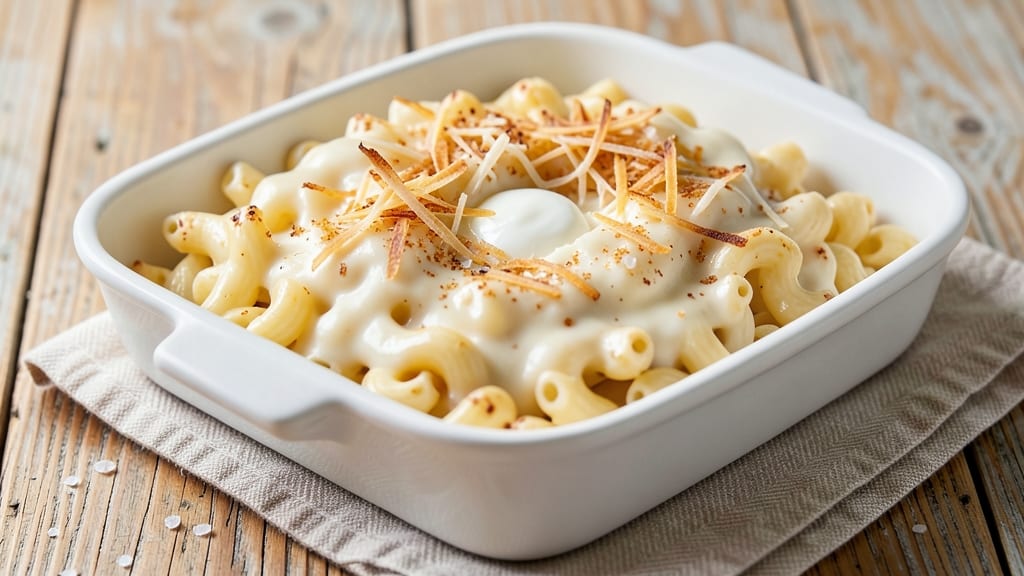
This Annie's white cheddar mac and cheese copycat recipe delivers the same creamy, triple-layered comfort you crave—without the box. The secret lies in a perfectly balanced cheese sauce that's rich yet not overly heavy, with just the right amount of tang from white cheddar.
I've replicated the signature texture that makes this dish a nostalgic favorite, using simple techniques anyone can master.
What sets this recipe apart is the foolproof method for achieving that signature creamy yet slightly firm texture—no lumps, no separation, just velvety perfection. We'll start with a classic roux base, then layer in sharp white cheddar for that signature tangy kick.
The key is patience: letting the sauce thicken gradually ensures every bite is rich without being greasy. This isn't just mac and cheese; it's a restaurant-quality dish that tastes like childhood comfort food.
The result is a dish so satisfying it disappears faster than you can say "second helping." The pasta stays al dente while soaking up just enough sauce to make each bite decadent. The cheese sauce clings beautifully, creating that signature triple-layered effect where every spoonful delivers creamy, cheesy goodness.
Serve it with garlic bread or a simple salad to round out the meal—because sometimes, comfort food deserves a proper companion.
Best of all, this recipe scales perfectly for families or gatherings. The techniques are beginner-friendly, but the results are impressive enough to fool even the most skeptical mac and cheese purists. Let's get started on recreating this nostalgic favorite from scratch—because homemade always tastes better.
Ingredients for annie's white cheddar mac and cheese copycat
The secret to Annie's signature triple-layered texture starts with these quality ingredients.
| Ingredient | Amount | Notes |
|---|---|---|
| Elbow Macaroni 🍝 | 1 ½ lb | Medium or extra-medium size |
| Unsalted Butter 🧈 | ¾ cup | Cold, cut into small cubes |
| All-Purpose Flour 🌾 | ½ cup | Sifted for smooth sauce |
| Sharp White Cheddar Cheese 🧀 | 2 cups | Shredded, block preferred |
| Sharp White Cheddar Cheese (extra) 🧀 | 1 cup | Reserved for topping |
| Whole Milk 🥛 | 2 cups | Warmed for smooth sauce |
| Heavy Cream 🥛 | ½ cup | Full-fat for richness |
| Yellow Mustard 🌶️ | 1 tbsp | For subtle tang |
| Diamond Crystal Kosher Salt 🧂 | 1 ½ tsp | Adjust to taste |
| Freshly Ground Black Pepper 🌶️ | ½ tsp | Freshly cracked preferred |
| Garlic Powder 🧄 | ½ tsp | For subtle depth |
| Paprika 🌶️ | ¼ tsp | Smoked for color |
| Parmesan Cheese 🧀 | ¼ cup | Freshly grated, optional |
The sharp white cheddar is non-negotiable here—it needs that signature tang. Look for block cheese at specialty stores like Whole Foods or Wegmans for the best flavor. The elbow macaroni should be medium or extra-medium; anything smaller gets mushy. For the butter, Plugrá or Land O'Lakes work perfectly, but don't use salted. The Diamond Crystal kosher salt is crucial—it dissolves completely, unlike table salt. If you can't find sharp white cheddar, Mozzarella cheese mixed with cheddar gives a similar melt.
No sharp white cheddar? Mild cheddar plus a splash of lemon juice mimics the tang. The yellow mustard is key for that signature Annie's flavor—substitute with Dijon mustard if needed. For a richer sauce, swap half the milk for heavy cream. If you're lactose intolerant, lactose-free milk and butter work perfectly. The Parmesan is optional but adds depth—skip it if you're avoiding dairy. For the pasta, any medium elbow macaroni works, but Barilla or De Cecco hold up best during cooking.
The cheese sauce thickens as it sits, so reheat with a splash of milk to restore creaminess. Store leftovers in an airtight container for up to 4 days—the flavor actually improves overnight. For freezing, portion into single servings and reheat with a splash of water. The triple-layered effect happens when you layer the cooked pasta, cheese sauce, and reserved cheddar—don't skip this step! Serve immediately for that signature restaurant-quality texture.
Why You'll Love This Recipe
- Five-Ingredient Magic: I swear by this combo—elbow pasta, butter, flour, and that sharp white cheddar. No weird additives, no overcomplicating. Just melt-in-your-mouth simplicity that still feels like a restaurant dish.
- Creamy-Crisp Perfection: The roux isn’t just thick—it’s just right. That crispy edge on the cheddar? It’s the secret. Every bite has that satisfying contrast, and honestly? It’s the only way I’ll eat mac and cheese now.
- Weeknight & Potluck Star: Between us, this feeds a crowd and reheats like a dream. Bring it to game day or toss it in the fridge for lazy nights—it’s my go-to for when I don’t want to think.
- Budget Cheat Code: Sharp cheddar’s the hero here, but a block costs less than pre-shredded. Butter and flour? Pantry staples. This is the kind of meal that stretches dollars without sacrificing flavor—and leftovers taste just as good.
Step-by-step instructions for Annie's white cheddar mac and cheese
Here's how to recreate that legendary triple-layered cheddar perfection in your own kitchen.
Cook the Elbow Macaroni to Al Dente
Bring a large pot of water to a rolling boil and add 1.5 pounds of elbow macaroni. I always use medium or extra-medium size for that perfect bite. Cook until 1 minute before the package directions specify for al dente—this ensures the pasta finishes cooking in the oven without becoming mushy. Reserve 1 cup of pasta water before draining, as we'll need it later to adjust the sauce consistency.
Real talk: Don't rinse the pasta after draining. The starch clinging to the noodles helps create that ultra-smooth sauce we're after. Drain the pasta and set it aside in a large bowl while you prepare the cheese sauce.
Create the Ultimate Cheese Sauce
In a large saucepan, melt the 0.75 cup unsalted butter over medium heat until it's completely liquid. Add the 0.5 cup all-purpose flour and whisk vigorously for 1-2 minutes until you have a smooth, thick paste—this is your roux. The reason we wait is that a proper roux forms the foundation of our sauce, giving it that velvety texture.
Slowly pour in the 2 cups whole milk and 0.5 cup heavy cream while whisking constantly to prevent lumps from forming. Bring the mixture to a gentle simmer and cook for 3-4 minutes until it thickens slightly. This is when you'll add the 2 cups sharp white cheddar cheese, stirring until completely melted and smooth.
Build the Signature Triple-Layered Cheese
Remove the sauce from heat and stir in the 1 tbsp yellow mustard, 1.5 tsp Diamond Crystal kosher salt, 0.5 tsp freshly ground black pepper, 0.5 tsp garlic powder, and 0.25 tsp paprika. Here's the thing—this is where the magic happens. Transfer half of the pasta to a greased 9x13-inch baking dish. Sprinkle ⅓ of the cheese sauce evenly over the pasta, followed by ⅓ of the remaining sharp white cheddar cheese.
Repeat the layering process, adding another third of the pasta, then another third of the sauce, and finally the last third of the cheese. Top with the remaining pasta and the rest of the cheese sauce. The key is to distribute everything evenly so each bite delivers that perfect balance of pasta, sauce, and melted cheese.
Bake to Bubbly Perfection
Preheat your oven to 375°F. Sprinkle the 1 cup extra sharp white cheddar cheese evenly over the top of the mac and cheese, creating that beautiful golden crust we all love. For an extra touch, you can also sprinkle the 0.25 cup freshly grated parmesan cheese on top if you're feeling fancy.
Bake uncovered for 20-25 minutes until the top is golden brown and bubbly. If you notice the top browning too quickly, tent it loosely with aluminum foil for the last 5-10 minutes to prevent burning. The edges should be crispy, and the cheese should be fully melted and gooey throughout.
Rest and Serve with Confidence
Remove the mac and cheese from the oven and let it rest for 5-10 minutes before serving. This resting period allows the layers to set slightly, making it easier to slice and serve without losing that perfect texture. If the sauce seems too thick after resting, stir in some of the reserved pasta water 1 tablespoon at a time until you reach your desired consistency.
Serve immediately while still warm and bubbly. Each forkful should deliver that perfect combination of creamy sauce, tender pasta, and melted cheddar cheese. Trust me, once you try this copycat version, you'll understand why it's become a favorite—it's that good!
Pro Tips For Making Annie'S White Cheddar Mac And Cheese Copycat
- USE A THERMOMETER FOR THE ROUX: I learned this the hard way—skipping it means your roux can go from creamy to greasy in seconds. Pull the pan off heat when it hits 165°F (74°C), then let it cool just enough to finish stirring. That’s the sweet spot for Annie’s signature smoothness without overcooking.
- GRATE THE CHEESE FINE AND COLD: Sharp white cheddar loses its punch when it melts too fast. Grate it fresh, store it in the fridge until ready, and don’t skip the extra handful—this is where the depth of flavor lives. (Yes, even if you’re impatient like me, resist the urge to rush.)
- DON’T OVERMIX THE CHEESE: Stirring like you’re trying to win a race turns the sauce gummy. Once the cheese melts, give it one final gentle fold—just enough to combine. Overmixing = gluey mac and cheese. (Your future self will thank you.)
- SALT THE PASTA WATER LIKE THE OCEAN: This isn’t the prettiest method, but it’s the tastiest. Use 1.5 tablespoons salt per 4 quarts water—enough that the pasta tastes fully seasoned before it even hits the cheese sauce. (No, you’re not overdoing it.)
Pro cooking tips for perfect results
Roux Perfection
The secret to that signature creamy texture starts with your roux—don't rush this step! Melt the 0.75 cup unsalted butter over medium heat until it's completely liquid, then whisk in the 0.5 cup all-purpose flour continuously for 1-2 minutes until it forms a smooth, thick paste.
The color should be a pale golden blonde—any darker, and you risk a nutty flavor. I like to use a wire whisk for this because it creates more surface area for the flour to cook evenly. 🌡️
Here's my pro tip: If you see any lumps forming, immediately strain the roux through a fine-mesh sieve before adding the milk. This ensures your sauce will be silky smooth, not grainy. And trust me, you'll notice the difference when you taste it!
Cheese Melting Mastery
When adding the 2 cups sharp white cheddar cheese to the sauce, remove the pan from heat first—this prevents the cheese from seizing up and creating clumps. Stir constantly until 100% melted, then return to low heat for just 30 seconds to thicken slightly.
The sauce should coat the back of a spoon but still be pourable. If it's too thick, add 1 tablespoon reserved pasta water at a time until you reach that perfect creamy yet slightly firm consistency.
For extra insurance against clumping, I like to pre-shred the cheese using a box grater rather than a food processor. The larger shreds melt more evenly and create that signature triple-layered texture when baked.
And always use block cheese—pre-shredded cheese contains anti-caking agents that make it harder to melt smoothly.
Layering Like a Pro
The triple-layered effect isn't just for show—it's what makes this mac and cheese restaurant-quality! Start by spreading half the cooked pasta in your baking dish, then add ⅓ of the cheese sauce, followed by ⅓ of the remaining cheese.
Repeat this process exactly, ending with the final third of pasta and all the remaining sauce. The key is to press down gently on each layer as you go—this helps the sauce cling to the pasta instead of pooling at the bottom.
I use a 9x13-inch baking dish because it gives the perfect surface area for even baking, but a round 9-inch dish works too. Just make sure your dish is lightly greased with butter or cooking spray—this prevents sticking and makes cleanup a breeze.
And don't skip the final cheese topping! That 1 cup extra sharp white cheddar creates the golden, bubbly crust we all love.
Baking Secrets
Preheat your oven to 375°F and let it fully acclimate for 10-15 minutes before baking. This ensures even heat distribution. When you bake, start with uncovered time—this helps create that beautiful golden crust.
If the top browns too quickly (after about 15 minutes), loosely tent it with aluminum foil for the remaining 5-10 minutes. The internal temperature should reach 165°F when done.
Pro move: For extra crispy edges, I like to drag a butter knife around the edges of the baking dish right before removing it from the oven. This creates a clean, crisp border that looks restaurant-worthy.
Let it rest for 5-10 minutes before serving—this allows the layers to set slightly and makes slicing much easier. The sauce will thicken as it cools, so if it seems too thick, just stir in a splash of reserved pasta water or warm milk to restore that perfect consistency.
Nutrition facts
Frequently asked questions
Can I make this mac and cheese without sharp white cheddar?
If you can't find sharp white cheddar, mix 1.5 cups mild cheddar with 0.5 cup mozzarella for a similar melt. For extra tang, add 1 teaspoon lemon juice to your sauce. The key is balancing creaminess with a little sharpness—don't skip the yellow mustard in the recipe, as it adds that signature Annie's flavor.
Why does my cheese sauce get grainy?
Graininess usually happens from two things: overcooking the roux (it should be pale golden, not brown) or adding cheese too quickly while the sauce is hot. Always remove the pan from heat before stirring in cheese, and use a fine-mesh sieve to strain any lumps from the roux. For extra smoothness, whisk the sauce constantly over low heat for just 30 seconds after adding cheese.
Can I make this ahead of time?
Yes! Assemble the dish up to 24 hours ahead and refrigerate uncovered. The next day, bake at 350°F for 30-35 minutes, tented with foil, until bubbly. For reheating leftovers, cover with foil and warm at 350°F for 15-20 minutes. If the sauce thickens too much, stir in 1-2 tablespoons warm milk to restore creaminess. The flavors actually deepen overnight!
What's the best way to serve this mac and cheese?
This dish shines as a main course with simple sides like garlic bread or a crisp green salad. For a heartier meal, add grilled chicken or bacon bits on top. It's also perfect for potlucks—just transfer to a serving dish and cover with foil until ready to serve. The triple-layered texture holds up well when sliced, making it great for buffet-style presentations.
Can I use a different pasta shape?
While elbow macaroni is traditional, you can use penne or farfalle for a similar texture. Avoid long noodles like spaghetti—they don't hold sauce as well. For a fun twist, try shells (they trap extra cheese sauce) or rotini (the ridges catch more flavor). Just reduce cooking time by 1 minute to maintain al dente texture when baking.