
Desserts
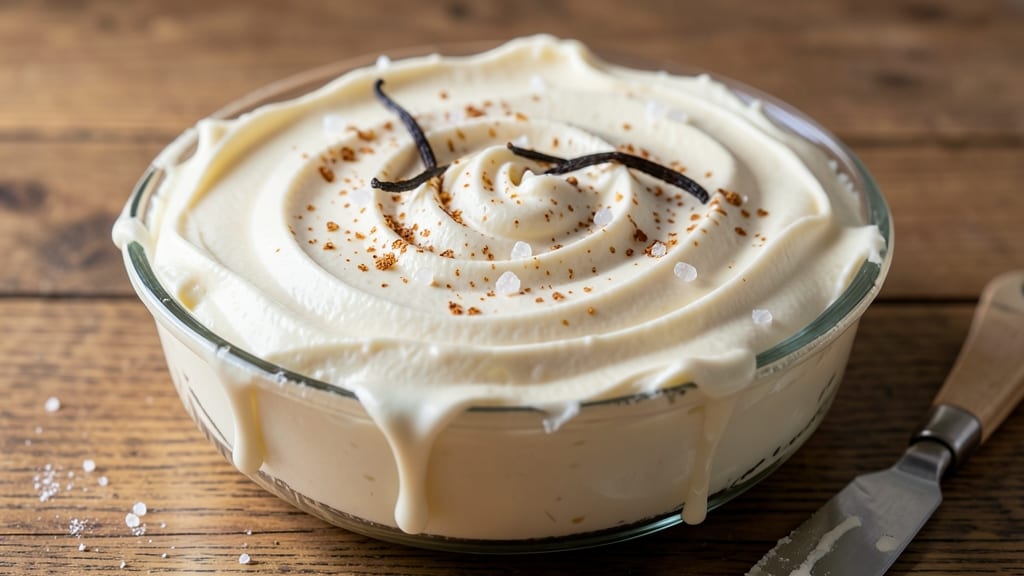
This amazing cream cheese frosting recipe delivers the perfect balance of tangy, creamy, and sweet—no grainy lumps or curdled messes in sight. The secret lies in room-temperature ingredients and a gentle mixing technique that keeps everything silky smooth.
I've been perfecting this frosting for years, and it's now my go-to for cakes, cupcakes, and even cookies.
What makes this frosting truly special is its stability—it holds its shape when piped but still melts beautifully on the tongue. The key ingredients are just cream cheese, butter, powdered sugar, and vanilla, but the technique is what transforms them into something extraordinary.
No special equipment needed, just a mixer and patience.
By the time you're done, you'll have a frosting that's rich, velvety, and impossibly smooth, with just the right amount of tang to cut through the sweetness. It's the kind of frosting that makes even the simplest dessert feel like a showstopper.
Plus, it stays fresh in the fridge for up to a week, ready to elevate your next baking project.
Whether you're frosting a layered cake, filling cupcakes, or topping cookies, this recipe delivers restaurant-quality results every time. Let's get started—your desserts are about to get a serious upgrade!
Ingredients for amazing cream cheese frosting
Four core ingredients, one perfect technique—this frosting transforms ordinary desserts into showstoppers.
| Ingredient | Amount | Notes |
|---|---|---|
| Full-Fat Cream Cheese 🧀 | 8 oz | Room temperature for blending |
| Unsalted Butter 🧈 | 8 oz | Softened, not melted |
| Powdered Sugar 🍚 | 3 cups | Sifted for smooth texture |
| Pure Vanilla Extract 🍯 | 1 ½ tbsp | High-quality, Madagascar bourbon preferred |
| Diamond Crystal Kosher Salt 🧂 | ¼ tsp | Fine grain for subtle seasoning |
| Heavy Whipping Cream 🥛 | ¼ cup | Optional for extra richness |
| Lemon Juice 🍋 | ½ tsp | Brightens tanginess |
The cream cheese makes or breaks this frosting. Philadelphia brand is my go-to—it's consistently smooth and tangy. Grab the full-fat version (the 8 oz block), not the low-fat kind. Room temperature is non-negotiable—pop it in the fridge to soften if it's too firm. The butter? Plugrá or Land O'Lakes are reliable, but any good unsalted butter works. For the powdered sugar, Domino is my store brand of choice—it's finely sifted and never clumps. The vanilla extract? Madagascar bourbon has the deepest flavor, but any pure extract will do. Pro tip: if your kitchen is humid, microwave the butter for 20 seconds to just soften it—no melting, just pliable.
No full-fat cream cheese? Neufchâtel cheese is a good substitute, though it's slightly less tangy. Butter too hard to soften? Microwave it in 10-second bursts until pliable. Short on vanilla? Vanilla bean paste adds flecks of flavor magic. The heavy cream is optional but worth it for that ultra-rich texture—skip it if you're watching calories. Lemon juice can be swapped for white vinegar at half the amount if you're out, though the flavor won't be identical. For extra stability when piping, chill your bowl in the freezer for 10 minutes before beating—this frosting gets thicker as it cools, which is actually a good thing.
This frosting keeps beautifully—1 week in the fridge sealed in an airtight container. For longer storage, freeze portions in 1-tbsp scoops—thaw overnight in the fridge. Room temperature frosting? It'll last about 4 hours before it starts to soften. I always make a double batch—one for immediate use, one to stash. The texture actually improves after 24 hours as the flavors meld. If it gets too stiff, microwave for 10 seconds to soften before using. And if you're piping onto a cake? Chill the cake first so the frosting sets properly.
Why You'll Love This Recipe
- Here’s what sold me: the cream cheese stays smooth, never grainy, and the butter keeps it luscious but not heavy. A pinch of salt balances the sweetness so it doesn’t cloy—just pure, tangy-sweet perfection that makes me want to slather it on everything.
- Three-Ingredient Mixer: I swear, this frosting comes together in my stand mixer while I’m still deciding what to make for dinner. Just cream cheese, butter, and sugar—no fussing, no waiting, no stress. The salt and vanilla are the only things I measure by hand, and honestly? That’s the only measuring I’ll ever need again.
- Rich Without Overpowering: Here’s what sold me: the cream cheese stays smooth, never grainy, and the butter keeps it luscious but not heavy. A pinch of salt balances the sweetness so it doesn’t cloy—just pure, tangy-sweet perfection that makes me want to slather it on everything.
- Party in a Bowl: Between us, this frosting is my secret weapon for birthdays, potlucks, or even a “just because” cake for my kid after school. It’s the kind of thing that makes people pause and ask, “What’s in this?”—and then they’ll beg for the recipe. (I’ll share… eventually.)
Step-by-step instructions for cream cheese frosting that never curdles
Here's the foolproof method for ultra-smooth, silky frosting every time.
Prepare Ingredients for Perfect Texture
Begin by ensuring your 8 oz full-fat cream cheese and 8 oz unsalted butter are at the perfect consistency. Place both blocks in the refrigerator for 15 minutes if they're too soft, or let them sit at room temperature for 10 minutes if they're too firm. You want them room temperature—they should be pliable but not melted. This consistency is critical for achieving that signature silky texture without any graininess.
While they're adjusting, sift the 3 cups powdered sugar into a medium bowl. Sifting removes any lumps and ensures your frosting will be ultra-smooth. I like to use a fine-mesh sieve for this step—it makes a noticeable difference in the final texture. Set the sifted sugar aside with the 1.5 tbsp pure vanilla extract, 0.25 tsp diamond crystal kosher salt, 0.25 cup heavy whipping cream (if using), and 0.5 tsp lemon juice. Having everything prepped and measured is what separates good frosting from amazing frosting.
Cream Butter and Cream Cheese Together
In a stand mixer fitted with the paddle attachment, combine the 8 oz softened butter and 8 oz room-temperature cream cheese. Beat on medium speed for 2-3 minutes until completely smooth and fully incorporated. You'll know it's ready when the mixture is homogeneous with no visible lumps—it should look like a pale, creamy base. This step is where you prevent curdling by ensuring the fat components are perfectly emulsified before adding any liquids.
Here's the thing—don't rush this process. If you see any streaks of white or if the mixture looks grainy, keep beating for another 30 seconds. The goal is to create a smooth, uniform base that will handle the powdered sugar beautifully. If your mixer starts to struggle (some budget models do), switch to a hand mixer for a few extra minutes—patience here prevents curdling later.
Gradually Add Powdered Sugar for Silky Perfection
With the mixer running on low speed, begin adding the sifted 3 cups powdered sugar in 3 additions, mixing just until each addition is incorporated before adding the next. This gradual approach prevents sugar from settling at the bottom and creates a smoother texture. After each addition, scrape down the sides of the bowl with a rubber spatula to ensure even mixing—this is where many home bakers miss out on that restaurant-quality finish.
Once all the sugar is incorporated, increase the speed to medium and continue mixing for 1-2 minutes until the frosting is completely smooth and light in color. You're looking for a texture that's thick but still pipeable—it should hold its shape when spread but still be easy to work with. If it's too thick, add 1 tablespoon of milk or water at a time until you reach the perfect consistency. The frosting should be glossy and smooth, with no visible sugar granules.
Incorporate Flavors and Stabilize the Mixture
Add the 1.5 tbsp pure vanilla extract, 0.5 tsp lemon juice, and 0.25 tsp diamond crystal kosher salt to the mixer. If you're using the 0.25 cup heavy whipping cream, add it now as well. Mix on low speed for 30 seconds to combine all the flavors evenly. The lemon juice brightens the sweetness while the vanilla adds depth—together they create that perfect balance that makes this frosting truly amazing.
For extra stability (especially in warm conditions), beat the frosting for an additional 1 minute on medium speed. This step helps prevent any potential separation later. The frosting should now be silky, smooth, and ready to use. Here's a pro tip: If you're not using the frosting immediately, cover it tightly with plastic wrap pressed directly against the surface to prevent a skin from forming.
Use Immediately or Store Properly
Transfer the frosting to a piping bag fitted with your desired tip for decorating, or spread it directly onto your baked goods. For the best results, use it within 4 hours of making it—fresh frosting has that perfect, light texture. If you need to store it, place it in an airtight container in the refrigerator for up to 5 days. When ready to use again, let it sit at room temperature for 15-20 minutes before piping or spreading—this prevents any potential separation.
Real talk: This frosting is so versatile it works beautifully on cakes, cupcakes, donuts, or even as a filling for cream cheese bars. The key to its success lies in the careful temperature control and gradual mixing technique we used. When done right, you'll end up with frosting so smooth it looks like it came from a professional bakery—without the professional price tag.
Pro Tips For Making Amazing Cream Cheese Frosting
- SOFTEN THE CREAM CHEESE: Let it sit in warm water for 5 minutes before mixing—no need to microwave or risk graininess. I learned this the hard way after turning my frosting into a lumpy disaster twice.
- USE ROOM-TEMPERATURE BUTTER: Cold butter adds lumps; take it out 30 minutes early or rub it between your palms until pliable. The texture difference is night and day—smooth versus clumpy.
- SIFT THE POWDERED SUGAR: Even if it looks fine, sifting removes clumps and ensures no gritty bits sneak in. I skip this sometimes, and the frosting always feels heavier afterward.
- SALT BEFORE SWEETENING: Add the kosher salt (about ¼ teaspoon) with the powdered sugar, not at the end. This guarantees even distribution—no random salty pockets in your first bite.
Dietary considerations for this amazing cream cheese frosting
Dairy-Free Substitutes
If you're avoiding dairy, Neufchâtel cheese (a lower-fat French alternative) works well—just reduce to 6 oz for a similar tang. For a completely plant-based version, blend 1 cup cashew cream (soaked overnight) with ½ cup coconut cream and 1 tbsp lemon juice until smooth.
The texture will be lighter but still creamy. 🌱
Low-Sugar Options
Cut 1 cup powdered sugar down to 2 cups and replace the rest with monk fruit sweetener (like Lakanto) for a 1:1 sugar substitute. For texture, add 2 tbsp cornstarch to the dry ingredients—it mimics sugar's binding properties. The frosting will be slightly less sweet but still rich.
Gluten-Free Adaptations
This recipe is naturally gluten-free, but if you're concerned about cross-contamination, use a dedicated mixer and clean all surfaces thoroughly. The powdered sugar in most brands (like Domino) is gluten-free, but always check labels.
For extra stability in gluten-free baking, chill the frosting for 30 minutes before using on cakes.
Vegan-Friendly Version
Replace the cream cheese with vegan cream cheese (like Kite Hill or Miyoko's), which requires 10 minutes of extra mixing to achieve the same smoothness. Use coconut oil instead of butter (same quantity) and ensure all other ingredients are plant-based.
The result is a tangy, stable frosting that works beautifully on vegan carrot cake or brownies.
Nut-Free Considerations
If nut allergies are a concern, skip the cashew cream substitute and opt for silken tofu blended with lemon juice (½ cup tofu + 1 tbsp juice) to replace the dairy.
The texture will be slightly denser, but the tang remains. Always double-check all store-bought ingredients (like vanilla extract) for hidden nut traces.
Protein-Packed Boost
For a higher-protein frosting, replace ½ cup powdered sugar with ½ cup powdered peanut protein (like Naked Peanut Protein) or vanilla protein powder. Add 1 tbsp Greek yogurt to improve stability.
The frosting will have a subtly nutty flavor and work well on protein-packed desserts like protein mug cakes.
Nutrition facts
Frequently asked questions
Why does my cream cheese frosting sometimes curdle or get grainy?
The most common causes are cold ingredients or overmixing. Always use room-temperature cream cheese and butter—never cold straight from the fridge. Mix on medium speed until smooth, then reduce to low speed when adding sugar. Overmixing introduces air, which can cause separation or graininess. If it happens, beat in 1 tablespoon of milk or water to restore smoothness.
Can I make this frosting ahead of time?
Store it in an airtight container in the fridge for up to 5 days. Before using, let it sit at room temperature for 15-20 minutes to soften. For longer storage, freeze portions in 1-tbsp scoops—thaw overnight in the fridge. Pro tip: Press plastic wrap directly onto the surface to prevent a skin from forming.
What's the best way to pipe this frosting without it sliding off?
Chill your piping bag and tip in the freezer for 10 minutes before using—this thickens the frosting slightly for better stability. Pipe onto a cooled cake (not warm) and use a Wilton 1M tip for clean swirls. For extra hold, dust the cake with powdered sugar before piping. If it's too runny, refrigerate for 30 minutes to firm up.
Can I substitute powdered sugar with something else?
For a lower-carb option, replace 1 cup powdered sugar with ½ cup erythritol or monk fruit sweetener (like Lakanto). Add 2 tbsp cornstarch to maintain texture. For a healthier twist, blend ½ cup applesauce with ½ cup powdered sugar—it reduces calories while keeping sweetness. The frosting will be slightly softer but still delicious.
How do I fix frosting that's too thick or too thin?
For thick frosting, beat in 1 tbsp milk or water at a time until smooth. For thin frosting, chill the bowl for 10 minutes or add 1 tbsp powdered sugar and mix. If it's still too runny, refrigerate for 30 minutes—it'll firm up as it cools. The ideal consistency should hold its shape when piped but still be spreadable.