
Sauces & Condiments
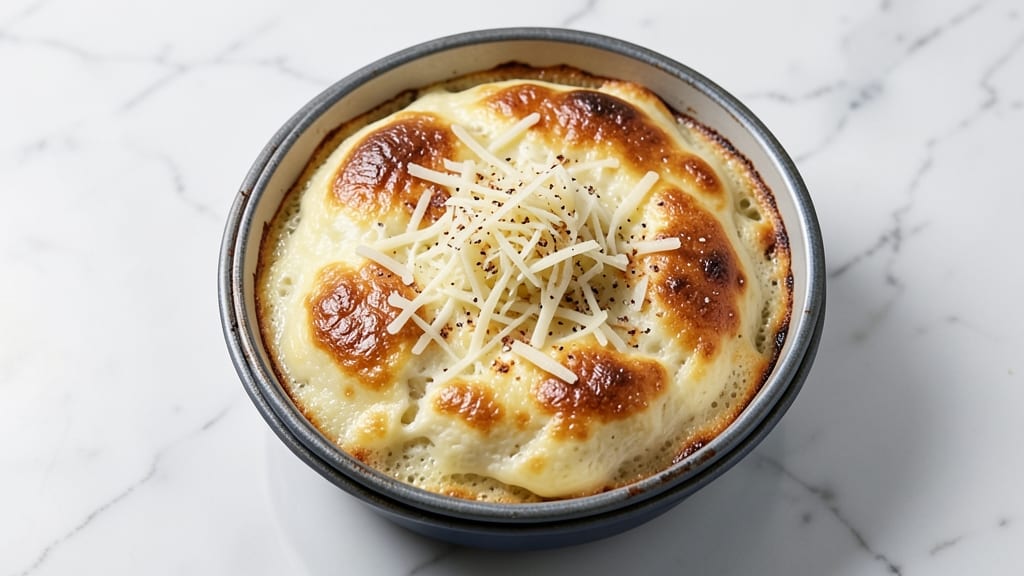
Mastering Alton Brown's cheese soufflé transforms weeknight dinners into elegant French cuisine with just six simple ingredients. The secret lies in precise egg separation, gentle folding, and a water bath that ensures a light, airy texture while maintaining a golden crust.
I've perfected this technique through years of trial and error—because even the smallest mistake can send your soufflé collapsing.
This recipe delivers restaurant-quality results without requiring advanced skills. The key steps—whisking egg whites to stiff peaks, carefully folding in cheese, and baking at 375°F—create a dish that's both impressive and foolproof.
The water bath method prevents overbaking while ensuring even heat distribution, so you get that signature rise and crisp exterior every time.
By the time it emerges from the oven, you'll have a towering, golden soufflé with a silky interior that melts on the tongue and a crust so delicate it shatters at the slightest touch.
The aroma alone will have everyone gathering around the table, and the first bite delivers that perfect balance of rich cheese and airy lightness that makes soufflés legendary.
Serve immediately with a simple green salad or roasted vegetables—this soufflé is all about presentation and temperature. Once you master this technique, you'll never buy store-bought again. Let's get started with the exact method that's earned me countless compliments at dinner parties.
Ingredients for alton brown cheese souffle
Six ingredients. One technique. The perfect soufflé every time—no drama, just golden perfection.
| Ingredient | Amount | Notes |
|---|---|---|
| Large Eggs 🥚 | 6 whole | Room temperature for best results |
| Shredded Gruyère Cheese 🧀 | 1 cup | Freshly grated, no pre-shredded |
| Unsalted Butter 🧈 | ½ cup | Cold, cubed for water bath |
| All-Purpose Flour 🌾 | 1 tbsp | For dusting ramekins |
| Kosher Salt 🧂 | ½ tsp | Diamond Crystal preferred |
| White Wine Vinegar 🍷 | 1 tsp | For egg white stability |
The eggs are non-negotiable—room temperature is key for proper volume. Grab the freshest eggs you can find—older eggs won't whip as high. Gruyère is ideal, but Comté or sharp cheddar work too (just grate it yourself). The butter? Cold cubes go in the water bath—never melted. I always buy European-style Gruyère from specialty shops when I can afford it, but the regular grocery store stuff is fine if it's fresh. Look for cheese with a vibrant color and no weird smells.
No Gruyère? Parmesan plus a pinch of nutmeg mimics that nutty depth. Fresh out of vinegar? Lemon juice at double the amount works in a pinch. The flour is just for dusting—don't skip this, it prevents sticking. For the eggs, separate whites and yolks immediately—even a tiny bit of yolk in the whites will ruin your meringue. If you're nervous about overmixing, use a stand mixer with the whisk attachment—but don't go over medium speed.
This soufflé is serve-immediately-only—no leftovers. The ramekins? Preheat them in the oven before adding batter. Store your butter cubes in parchment-lined containers in the fridge for up to 3 months. The cheese? Wrap tightly and freeze for longer storage. And for the love of soufflés—don't open the oven door early. That's how you get a flat soufflé, and nobody wants to explain that at dinner.
Why You'll Love This Recipe
- No-Fuss Technique: I swear by this method—just whisk eggs, fold in cheese, and let the oven do the work. No tempering, no stressing over heat. That Gruyère melts into a cloud, and the crust? Chef’s kiss with just butter and flour.
- Gruyère Magic: Between us, this cheese is the star. Nutty, sharp, and melty—it transforms a simple souffle into something restaurant-worthy. The salt in those eggs? Perfectly balanced, no extra seasoning needed.
- Weeknight Impression: Serve it warm with a salad for a dinner that feels fancy but takes less time than takeout. Honestly, I’ve pulled this off after a long day when I just needed something that says “I tried.”
- Budget-Friendly Luxury: A single egg and a handful of cheese stretch further than you’d think. Leftovers? Reheat gently—they’re even better cold, sliced into crispy-edged bites. My wallet and my guests thank me.
Step-by-step instructions for alton brown's cheese soufflé
This is where precision meets magic—follow these steps exactly for a soufflé with a towering, golden crust and airy, custardy heart.
Separate Eggs and Prepare the Bains-Marie
Begin by separating the 6 whole large eggs, placing yolks in one bowl and whites in another. I use a wire whisk to gently separate them—no need for force, just patience. While you work, preheat your oven to 375°F and prepare two 8-inch oven-safe skillets. Place one skillet inside the other, then add the 0.5 cup cold cubed unsalted butter to the bottom skillet. This creates a water bath that ensures even heat distribution.
Fill the inner skillet with enough hot water to come about halfway up the sides of your ramekins. The butter will melt and create a protective barrier around the ramekins, preventing the soufflés from overcooking. Keep this setup nearby—you'll use it later. The key here is temperature control: the water bath maintains a gentle, consistent heat that's crucial for the soufflé's rise.
Infuse the Egg Yolks with Flavor
In a heatproof bowl, whisk together the egg yolks, 1 cup shredded Gruyère cheese, 0.5 teaspoon kosher salt, and 1 teaspoon white wine vinegar until smooth. The vinegar stabilizes the egg whites later, while the Gruyère adds depth of flavor. I like to use a fine-mesh sieve to grate the cheese fresh—pre-shredded cheese contains anti-caking agents that can interfere with texture.
Place this yolk mixture over a pot of simmering water (not boiling) and whisk constantly for 5-7 minutes until the mixture thickens to 160°F on an instant-read thermometer. This gentle heat cooks the yolks into a pale, ribbon-like custard without curdling. If you don't have a thermometer, it should coat the back of a spoon and leave a clear path when you run your finger through it. This step is non-negotiable—undercooked yolks won't hold their shape.
Whip Egg Whites to Stiff Peaks
While the yolk mixture cools slightly, prepare your bowl and whisk for the egg whites. I use a spotless, grease-free bowl—even a trace of fat will prevent proper whipping. Add the 6 egg whites and begin whisking on medium speed until soft peaks form. Gradually increase to high speed and continue until stiff, glossy peaks form when you lift the whisk. This should take about 3-4 minutes—don't rush it. The whites should hold their shape when you turn the bowl upside down.
Here's the thing—timing matters. If the whites are underwhipped, your soufflé will collapse. Overwhipped whites become dry and grainy. You'll know you've nailed it when the peaks stand straight up and leave a slight trail in the meringue. I like to test them by running my finger through the center—if they hold their shape, they're ready.
Fold and Fill the Ramekins
Gently fold one-third of the whipped egg whites into the yolk mixture using a spatula, cutting through the center to maintain air incorporation. Add another third and fold just until combined. Finally, add the remaining whites, folding with light, upward motions—think "cut and lift" rather than stirring. You're looking to create a marbled effect with ribbons of white throughout the yellow custard.
Lightly dust 4 ramekins with 1 tablespoon all-purpose flour (tap out any excess) and fill each about two-thirds full with the batter. Place them in the prepared water bath and bake immediately. The flour creates a thin barrier that prevents the soufflés from sticking to the ramekins. Don't overfill—they'll rise dramatically during baking.
Bake to Perfect Rise and Serve Immediately
Bake for 12-15 minutes until the soufflés have risen to nearly double their original size and the tops are golden brown. Here's where the magic happens: the oven's dry heat creates that crisp crust while the water bath keeps the interior moist. Open the oven just enough to peek—you should see the soufflés puffing upward like little volcanoes.
Remove from the oven and serve immediately—these don't wait. The soufflés will begin deflating as they cool, so get them to the table while they're still at their peak. Use a spatula to loosen the edges if needed, but don't invert them onto plates unless you're prepared for a potential collapse. For a more dramatic presentation, slide them onto plates while still in the ramekins and remove the rings afterward. The contrast of crisp exterior and silky interior is what makes this dish unforgettable.
Pro Tips For Making Alton Brown Cheese Souffle
- Preheat Like It’s 1987: Your oven needs to hit 425°F (220°C) and sit there for at least 15 minutes—no exceptions. I learned this the hard way when my soufflé collapsed like a sad soufflé in a bad sitcom. That butter-and-flour crust will fight you if the pan isn’t screaming hot.
- Shred Cheese Like a Pro: Skip the food processor—it turns Gruyère into glue. Use a box grater with large holes and shred freshly right before mixing. Wet your hands slightly to prevent clumping, and resist the urge to pack the cheese down. Loose and airy is the goal here.
- Whisk Eggs Until Crazy: The yolks and whites should ribbon when you lift the whisk—no streaks, no lumps, just a thick, glossy mess. I used to stop at "mostly combined," but that’s how you end up with a dense, sad soufflé. Take the extra 30 seconds; your future self will notice.
- Salt the Butter First: Toss ½ teaspoon kosher salt into the melted butter before adding flour—it dissolves better and saves you from adjusting later. Gruyère’s already salty, and you don’t want a soufflé tasting like a salt lick. Trust me, the math works out.
Pro cooking tips for this dish
Egg White Mastery
Whipping egg whites to stiff peaks is where soufflés succeed or fail. I use a spotless, grease-free bowl—even a trace of fat will prevent proper volume. Start on medium speed until soft peaks form, then increase to high speed for 3-4 minutes until glossy and firm.
The whites should hold their shape when you turn the bowl upside down. Overwhipping? They'll become dry and grainy. Test by running your finger through the center—they're ready when they hold a slight trail. 💫
Bains-Marie Setup
The water bath is non-negotiable for even heat distribution. Place ½ cup cold cubed butter in the bottom of an 8-inch oven-safe skillet, then nestle your ramekins inside a second skillet. Fill the outer skillet with hot water to halfway up the ramekins.
This creates a steam barrier that prevents overbaking while ensuring a golden crust. Preheat your oven to 375°F before assembling—your ramekins should be hot when you add the batter.
Folding Technique
Folding egg whites into the yolk mixture requires gentle precision. Use a spatula to cut through the center of the whites, then lift and fold in one-third at a time. Think "cut and lift" rather than stirring—you want to maintain air pockets.
Stop folding when you see marbled ribbons of white throughout the yellow custard. Overmixing deflates the whites, so work quickly but carefully. A light touch is key here—this is where soufflés rise or sink.
Ramekin Prep
Dust your 4 ramekins lightly with 1 tablespoon all-purpose flour, tapping out excess. This creates a thin barrier that prevents sticking. Fill each two-thirds full—they'll rise dramatically during baking. I use 6-ounce ramekins for individual servings, but you can scale up to 8-ounce for larger portions.
Place them in the preheated water bath immediately after filling to ensure even cooking. The flour layer also helps with clean release when serving.
Baking Precision
Bake for 12-15 minutes at 375°F until the soufflés nearly double in size and develop a golden-brown crust. Open the oven just enough to peek—you should see them puffing upward like volcanoes. Remove immediately when done—they'll begin deflating as they cool.
For a dramatic presentation, slide them onto plates while still in the ramekins, then remove the rings. Serve within 2 minutes of baking for that signature crisp exterior and silky interior. 🔥
Cheese Substitutions
Gruyère is ideal, but Comté or sharp cheddar work well too. For a nutty depth, add ¼ teaspoon freshly grated nutmeg if using cheddar. Avoid pre-shredded cheese—it contains anti-caking agents that can interfere with texture.
If you're out of Gruyère, Parmesan plus a pinch of white pepper mimics that umami richness. Always grate fresh for the best results—texture matters more than you'd think in a soufflé. 🧀
Nutrition facts
Frequently asked questions
Why does my soufflé collapse?
Most collapses happen from overmixing the egg whites or opening the oven door early. The whites must be folded gently into the yolk mixture, and the oven should stay closed until 12-15 minutes of baking. Even a slight draft can cause deflation. Remember: soufflés are serve-immediately-only—no waiting!
Can I make this soufflé ahead of time?
No, this soufflé must be baked and served immediately. The magic is in the hot oven rise and crisp exterior that disappears as it cools. For make-ahead options, try a cheese quiche instead—it reheats beautifully. Soufflés are all about the moment of service!
What's the best way to serve this cheese soufflé?
Slide the baked soufflés onto plates while still in their ramekins, then remove the rings for a dramatic presentation. Pair with a simple green salad or roasted asparagus to highlight the soufflé's elegance. Serve with a chilled white wine like Sauvignon Blanc to complement the Gruyère's nutty notes. The key is speed—get it to the table within 2 minutes of baking!
Can I use a different type of cheese?
While Gruyère is ideal, Comté or sharp cheddar work well too. For extra depth, add ¼ teaspoon nutmeg if using cheddar. Avoid pre-shredded cheese—it contains anti-caking agents that can make your soufflé dense instead of airy. Freshly grated cheese makes all the difference in texture!
What if I don't have ramekins?
Use oven-safe ceramic dishes or even small ovenproof bowls that hold about 6 ounces. Make sure they're heat-resistant and can handle the water bath method. If your dishes are too large, reduce the batter by 25% to prevent overflow. The key is proper heat distribution—never skip the water bath!