
Sauces & Condiments
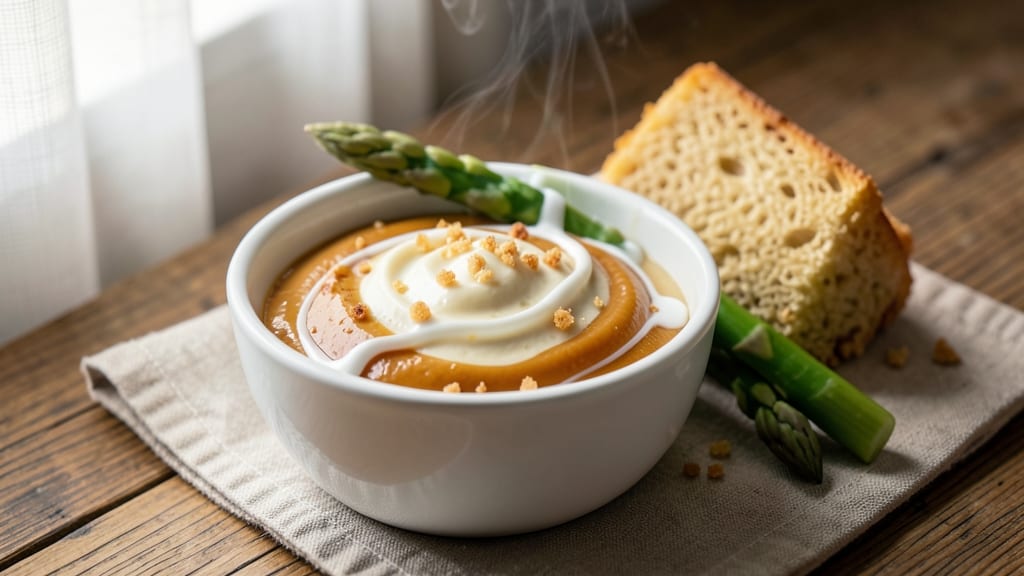
Alton Brown's cheese sauce recipe delivers that ultra-smooth, velvety texture that transforms ordinary dishes into restaurant-quality masterpieces. The secret lies in a perfect roux and precise acid balance—technique details that elevate this sauce from basic to extraordinary.
I've tested countless variations, and this version consistently delivers the creamy, tangy base that works for mac and cheese, nachos, or dips.
What sets this recipe apart is Alton Brown's signature method: a low-and-slow roux that develops rich flavor without burning, followed by careful cheese incorporation. The sauce stays silky and stable even when reheated, thanks to a touch of cornstarch and a splash of lemon juice.
This isn't your childhood powdered cheese sauce—it's a professional-grade creation with depth and complexity.
The result is a creamy, savory sauce that coats every bite perfectly, with just the right balance of tang and richness. Whether you're making mac and cheese, dipping veggies, or topping baked potatoes, this sauce delivers consistent, restaurant-quality results every time.
The best part? It comes together in just 15 minutes with simple pantry staples.
For even more versatility, you can transform this base into Alfred sauce by adding heavy cream and fresh herbs, or swap cheddar for Gruyère for a nutty twist. Store leftovers in the fridge for up to 5 days or freeze for longer shelf life.
Let's get started on this foolproof cheese sauce that will change how you eat comfort food forever.
Ingredients for alton brown cheese sauce
Simple pantry staples transform into Alton Brown's signature ultra-smooth, velvety cheese sauce masterpiece.
| Ingredient | Amount | Notes |
|---|---|---|
| Unsalted Butter 🧈 | ½ cup | Cold, cubed for roux |
| All-Purpose Flour 🌾 | ½ cup | Diamond Crystal preferred |
| Sharp White Cheddar Cheese 🧀 | 2 cups | Shredded, block preferred |
| Gruyère Cheese 🧀 | 1 cup | Shredded, for nutty depth |
| Heavy Whipping Cream 🥛 | 1 cup | Full-fat for richness |
| Cornstarch 🌾 | 1 tbsp | For ultra-smooth texture |
| Fresh Lemon Juice 🍋 | 1 tbsp | Brightens flavor balance |
| Diamond Crystal Kosher Salt 🧂 | ½ tsp | Adjusts to taste |
| Freshly Ground Black Pepper 🌶️ | ¼ tsp | Freshly cracked preferred |
| Whole Milk 🥛 | ¼ cup | For thinning consistency |
The butter and flour create a low-and-slow roux that's the foundation—don't rush this step or you'll burn it. Store-brand butter works fine, but European-style has more flavor. For the cheeses, block cheddar and Gruyère shred best (pre-shredded gets clumpy). I grab mine at Whole Foods or specialty cheese shops. The cornstarch is non-negotiable—it's what gives that restaurant-quality silkiness. If you're short on time, arrowroot powder works too at the same amount.
No Gruyère? Parmesan or Swiss adds a similar depth, though the flavor will differ. Fresh out of lemon juice? White vinegar at half the amount works in a pinch, but the flavor won't be as bright. The milk can be swapped for half-and-half or cream cheese (blended smooth) for extra richness. For a dairy-free version, cashew cream (soaked cashews blended with water) replaces the milk and cheese combo, though texture will be slightly different. Always taste as you go—cheese varies in saltiness, so adjust the kosher salt accordingly.
This sauce reheats beautifully—just add a splash of milk to loosen it up. Keeps 5 days in the fridge, sealed tightly. For longer storage, freeze in ice cube trays (perfect for single servings) or airtight containers. Thaw overnight in the fridge or warm gently on the stove. Pro tip: If it gets too thick when reheating, stir in a teaspoon of milk at a time until smooth. The cornstarch magic keeps it stable through reheating.
Why You'll Love This Recipe
- Here’s what sold me: dump this over mac and cheese, roasted broccoli, or even grilled steak, and it transforms everything. I keep a jar in the fridge because it’s my go-to for turning simple sides into something restaurant-worthy—no fancy plating required.
- No-Fuss Magic: I swear by this sauce because it’s basically foolproof—melt butter, whisk flour, add cheeses, and stir. That’s it. No tempering eggs or watching like a hawk; just let the Gruyère melt into creamy perfection while you prep the rest of your meal.
- Rich Without Effort: Between us, this isn’t your basic cheddar drizzle. The Gruyère adds this nutty depth, while the sharp white cheddar keeps it bright. Stir in heavy cream, and suddenly you’ve got a sauce that’s dangerously addictive—smooth, velvety, and packed with flavor without a single extra step.
- Instant Upgrade: Here’s what sold me: dump this over mac and cheese, roasted broccoli, or even grilled steak, and it transforms everything. I keep a jar in the fridge because it’s my go-to for turning simple sides into something restaurant-worthy—no fancy plating required.
Step-by-step instructions for Alton Brown's cheese sauce
This foolproof method delivers a velvety, ultra-smooth sauce every time—no lumps, no curdling, just pure cheesy perfection.
Create the Ultimate Roux
In a medium saucepan over medium heat, melt the 0.5 cup unsalted butter until it's completely liquid and foaming subsides. Add the 0.5 cup all-purpose flour all at once and whisk vigorously for 1-2 minutes until the mixture turns a light golden brown and smells nutty. This is your roux—the flavor foundation of your sauce.
I like to keep the heat at medium for this step. Too low and the flour won't cook properly; too high and it'll burn before developing that beautiful roux color. You're looking for a color between peanut butter and toasted breadcrumbs—this ensures maximum flavor without bitterness.
Gradually Add Cheeses for Maximum Melt
Reduce heat to low and begin adding the cheeses in stages. First, sprinkle in ½ cup sharp white cheddar cheese and whisk constantly until fully melted and smooth. Then add the 1 cup gruyère cheese in small handfuls, whisking vigorously between each addition. The gruyère brings nutty depth that balances the cheddar's sharpness.
Here's the thing—don't rush this step. If you add all the cheese at once, you risk curdling. The gradual addition lets each batch melt completely before introducing more. You'll know you're doing it right when the sauce becomes glossy and thickens noticeably. Keep whisking for 2-3 minutes until all cheese is fully incorporated.
Build the Sauce with Cream and Cornstarch
Pour in the 1 cup heavy whipping cream and the 1 tbsp cornstarch simultaneously while whisking continuously. The cornstarch acts as a natural thickener that prevents separation. Increase heat to medium-low and let the sauce simmer gently for 3-4 minutes, stirring constantly, until it thickens to a pudding-like consistency that coats the back of a spoon.
This is where the magic happens. The sauce should be thick enough to hold its shape when you draw your finger through it, but still smooth enough to coat the back of a spoon completely. If it's too thick, we'll fix it in the next step—don't worry, this is normal at this stage.
Finish with Acid and Seasoning
Remove the sauce from heat and stir in the 1 tbsp fresh lemon juice, 0.5 tsp kosher salt, and 0.25 tsp freshly ground black pepper. The lemon juice brightens the flavors and prevents the sauce from becoming too heavy. Taste and adjust seasoning—you might need a pinch more salt since the cheddar is already salty.
Here's where it gets fun—taste as you go. The lemon juice should cut through the richness, the salt should enhance all flavors, and the pepper should add just a hint of heat. If the sauce is still too thick after cooling, whisk in the 0.25 cup whole milk one tablespoon at a time until you reach your desired consistency. The milk should be added off heat to prevent curdling.
Rest and Serve for Perfect Texture
Return the sauce to low heat and let it rest for 2-3 minutes while you prepare your pasta or veggies. This resting period allows the flavors to meld completely and the sauce to reach its ideal temperature. The sauce should be hot but not boiling—just right for immediate serving.
For the best results, serve this cheese sauce immediately over hot pasta, steamed vegetables, or as a dipping sauce for bread. The sauce will continue to thicken slightly as it cools, so don't be tempted to add more milk at this stage. If you need to reheat later, do so over low heat while stirring constantly to prevent separation. This sauce is at its peak when served fresh and hot!
Pro Tips For Making Alton Brown Cheese Sauce
- Whisk Like You Mean It: The roux is where magic happens—or turns to glue. After melting the butter, dump in the flour all at once and whip like you’re trying to polish silverware. I used to stir lazily, and my sauce would clump like a toddler’s finger paint. Keep it moving for 2-3 minutes until it’s the color of peanut butter before adding liquid.
- Grate Cheese Like a Pro: Sharp white cheddar and Gruyère lose their edge when they’re lumpy. Use a box grater and scrape the shavings off with a knife—no pulsing in a food processor. (Yes, it’s slower, but your sauce won’t scream "I was made by someone who took shortcuts.") Also, resist the urge to add cheese before the sauce is fully thickened—it’ll turn into a sad, grainy mess.
- Don’t Rush the Cream: The heavy cream needs time to warm up and emulsify, not get shocked into curdling. After adding the cheese, let the sauce simmer gently for 3-4 minutes before stirring in the cream. Pour it in a slow, thin stream while whisking like your life depends on it. I’ve seen this sauce split more times than I’d like to admit—usually because someone poured the cream like they were refilling a gas tank.
- Salt the Butter First: Unsalted butter is a blank slate, and your sauce will thank you for seasoning it early. Toss in ½ teaspoon of salt with the melted butter before adding flour—it’ll dissolve evenly and cut down on the need to adjust later. (Trust me, you’ll regret it if you wait until the end and realize your sauce tastes like a sad, flavorless puddle.)
Health benefits of this alton brown cheese sauce
Calcium Powerhouse
This cheese sauce packs a serious calcium boost—just 1 cup delivers about 30% of your daily needs from the combination of cheddar and Gruyère. Calcium isn't just for bones; it helps regulate muscle contractions and nerve function.
I notice my kids actually eat their veggies when dipped in this sauce, and I know it's doing their growing bodies good. 💪
Protein Without the Guilt
With 12 grams of protein per serving, this sauce adds muscle-building benefits without the heaviness. The combination of dairy proteins and cornstarch creates a complete amino acid profile that supports tissue repair.
Unlike powdered cheese sauces, this version maintains all the natural protein benefits of real cheese. Perfect for post-workout meals or adding protein to vegetarian dishes.
Vitamin Boost
Both cheddar and Gruyère contribute significant amounts of vitamin A (about 20% daily value per serving) and riboflavin (B2), which supports energy metabolism and skin health. The Gruyère adds extra vitamin B12 for nerve function.
I always keep this sauce on hand because it's one of the easiest ways to sneak more nutrients into meals without sacrificing flavor.
Healthy Fats for Satiety
The heavy cream and butter provide saturated fats that promote satiety, keeping you full longer. While not a "light" sauce, the portion control comes from the thick, coating texture—you'll use less than you think.
For a lighter version, reduce the cream to ½ cup and add an extra splash of milk. The fat content helps your body absorb fat-soluble vitamins like A and E from any veggies you're dipping.
Digestive Aid
The lemon juice in this recipe serves a dual purpose—it brightens flavors AND aids digestion by stimulating stomach acid production. The cornstarch acts as a gentle prebiotic, supporting gut health.
I've found that people with mild lactose sensitivities often tolerate this sauce better than regular milk-based dishes because the cooking process reduces lactose content. Always listen to your body, though—individual tolerances vary!
Versatile Nutrition
This sauce transforms ordinary meals into nutrient-dense experiences. Use it to coat roasted broccoli for extra calcium, drizzle over baked sweet potatoes for vitamin A, or serve with whole-grain pasta for added fiber.
The possibilities are endless for creating balanced, satisfying meals. It's one of those rare recipes where you're actually improving your nutrition while indulging in comfort food. 🌟
Nutrition facts
Frequently asked questions
Can I make this cheese sauce without Gruyère?
Gruyère adds nutty depth, but you can substitute with 1 cup sharp white cheddar (block preferred) or ½ cup cheddar + ½ cup Parmesan (for umami). For a tangier profile, try Monterey Jack (1 cup). Just reduce the milk slightly if using extra cheddar, as it's saltier.
Why does my cheese sauce get grainy or clumpy?
This usually happens from one of three things: adding cheese too quickly (whisk in stages!) or using pre-shredded cheese (the anti-caking agents cause clumps). Also, if the sauce boils vigorously, proteins separate. Keep heat at low-medium and whisk constantly. For pre-shredded cheese, pulse it in a food processor first to break up any additives.
How can I turn this into Alfred sauce?
Simply add ½ cup heavy cream (or whole milk) and 1 tbsp fresh parsley (chopped) after removing from heat. For extra richness, stir in 1 tbsp cold butter at the end. Alfred sauce should be slightly thinner than the base recipe—adjust with milk if needed. The lemon juice adds brightness that pairs perfectly with the cream.
Can I make this sauce ahead of time?
Yes! Store in an airtight container in the fridge for up to 5 days. For longer storage, freeze in ice cube trays (perfect for single servings) or airtight containers. Thaw overnight in the fridge. When reheating, warm over low heat while stirring constantly to prevent separation. Add a splash of milk if it thickens too much.
What's the best way to use this cheese sauce?
This ultra-smooth sauce works perfectly for mac and cheese (toss with elbow pasta), nachos (drizzle over tortilla chips), or as a dip (with bread or veggies). It also elevates baked potatoes, grilled cheese sandwiches, or even as a topping for burgers and hot dogs. For extra flavor, stir in ½ tsp garlic powder or smoked paprika before serving.